



Introduction
Sheetrock screws for metal studs, also known as self-tapping drywall screws, represent a critical fastening element in modern construction, specifically within interior wall and ceiling systems utilizing light-gauge steel framing. Unlike traditional wood screws, these fasteners are engineered with a hardened steel composition and specialized thread geometry designed to penetrate and secure to metal studs without pre-drilling in many applications. Their positioning within the construction supply chain is fundamental; they directly impact the structural integrity and fire resistance ratings of wall assemblies. Core performance characteristics include shear strength, tensile strength, thread cutting efficiency, and corrosion resistance, all of which are paramount to long-term performance and building code compliance. A significant industry pain point is inconsistent screw quality, leading to stripping, breakage, and compromised wall stability. This guide provides an in-depth technical examination of sheetrock screws designed for metal stud applications, covering material science, manufacturing, performance, failure modes, and applicable industry standards.
Material Science & Manufacturing
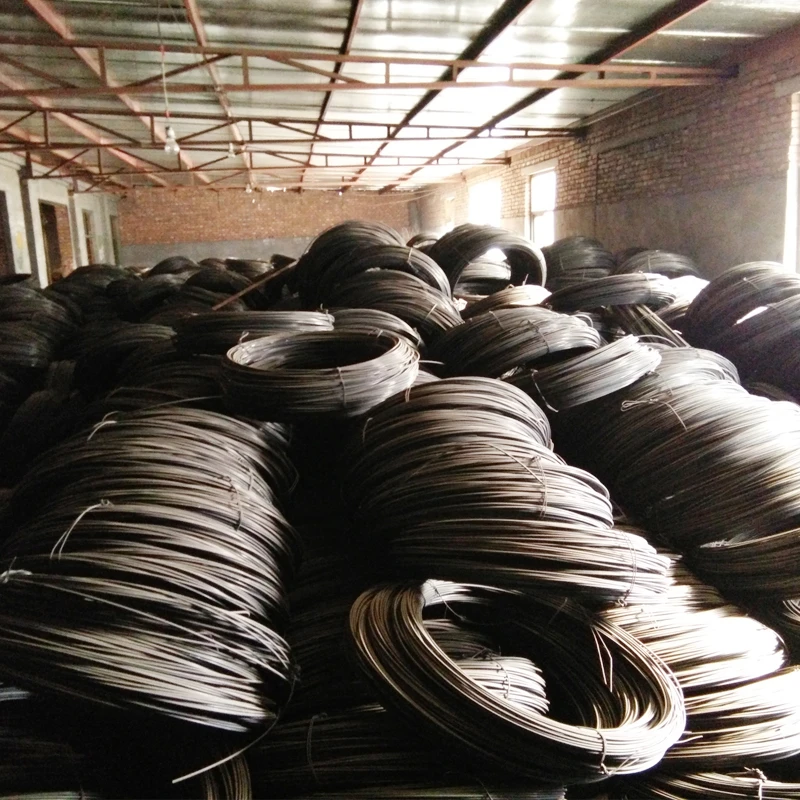
The foundational material for sheetrock screws intended for metal stud applications is typically carbon steel, specifically C1022 or C1023 steel, chosen for its balance of strength, ductility, and cost-effectiveness. The steel undergoes a heat treatment process, commonly quench and temper, to achieve a Rockwell hardness of approximately 58-62 HRC. This hardening is critical for the screw’s ability to effectively tap into the steel studs. A phosphate coating, often zinc phosphate, is applied to enhance corrosion resistance and provide a suitable surface for subsequent coatings. Zinc plating is a common secondary coating, adding an additional layer of protection. Some higher-performance screws employ alternative coatings like ceramic or polymer coatings for increased corrosion resistance in demanding environments. Manufacturing begins with cold heading, forming the screw head and initial thread profile from wire stock. The thread is then rolled, rather than cut, to maintain the grain structure of the steel, enhancing its strength and reducing stress concentrations. Thread geometry is meticulously controlled; the thread pitch and depth are optimized for rapid penetration and secure holding in various gauges of steel stud. Critical parameters during manufacturing include wire gauge, heading force, rolling pressure, and coating thickness, all subject to rigorous quality control checks using techniques like hardness testing, coating thickness measurements, and dimensional analysis.
Performance & Engineering
The performance of sheetrock screws in metal stud applications is governed by several key engineering principles. Shear strength, the screw's resistance to forces acting parallel to the screw shank, is crucial for preventing slippage and maintaining the integrity of the wall assembly. Tensile strength, the screw's resistance to forces pulling it apart, is vital for withstanding dynamic loads and preventing pull-out failure. A critical factor is the “self-tapping” capability, achieved through the screw's thread design. The thread acts as a miniature cutting tool, creating its own mating threads within the steel stud. This process generates significant radial and axial forces. The stud’s yield strength and thickness influence the required torque for proper installation. Over-torquing can strip the threads, while under-torquing leads to inadequate clamping force. Environmental resistance is also paramount. Exposure to moisture and varying temperatures can induce corrosion, weakening the screw and compromising its holding power. Compliance requirements, dictated by building codes (IBC, IRC) and standards (ASTM C1007), specify minimum performance criteria for screws used in fire-rated wall assemblies. These criteria often include pull-out resistance, shear resistance, and corrosion resistance tests. Force analysis during installation must consider the screw's geometry, the stud's material properties, and the applied torque to ensure optimal performance.
Technical Specifications
| Screw Diameter (in) | Screw Length (in) | Head Type | Minimum Tensile Strength (psi) |
|---|---|---|---|
| #6 (0.190) | 1 1/4 | Bugle | 300,000 |
| #7 (0.217) | 1 5/8 | Bugle | 320,000 |
| #8 (0.250) | 1 5/8 | Bugle | 340,000 |
| #8 (0.250) | 2 1/2 | Bugle | 340,000 |
| #9 (0.287) | 1 5/8 | Bugle | 360,000 |
| #9 (0.287) | 2 1/2 | Bugle | 360,000 |
Failure Mode & Maintenance
Sheetrock screws used in metal stud applications are susceptible to several failure modes. Stripping of the threads within the steel stud is a common issue, often caused by over-torquing or using screws with inadequate thread geometry. Fatigue cracking can occur under cyclic loading, particularly in areas subject to vibration or repeated stress. Hydrogen embrittlement, induced by certain coatings or corrosive environments, can lead to brittle fracture. Corrosion, particularly in damp or coastal environments, weakens the screw and reduces its holding power. Delamination of the coating (e.g., zinc) exposes the underlying steel to corrosion. Oxidation, even with protective coatings, will occur over time, degrading the screw’s surface. Maintenance is generally limited to visual inspection for signs of corrosion or loosening. If screws are found to be loose, they should be replaced. In high-humidity environments, periodic inspection and potential re-tightening may be necessary. Preventative measures include selecting screws with appropriate corrosion resistance for the application environment and ensuring proper installation torque is applied. Regularly checking for and addressing leaks or sources of moisture will also extend the lifespan of the fasteners. Addressing any structural vibrations or impacts to the walls is also crucial for mitigating fatigue failure.
Industry FAQ
Q: What is the difference between Type A and Type B sheetrock screws for metal studs?
A: Type A screws are generally black phosphate coated and designed for interior, dry environments. They offer basic corrosion resistance. Type B screws are typically zinc-coated and offer significantly improved corrosion resistance, making them suitable for slightly more demanding environments or areas with moderate humidity. The choice depends on the specific environmental conditions and the required level of longevity.
Q: What torque setting should I use when installing sheetrock screws into metal studs?
A: Recommended torque settings vary depending on the screw size, stud gauge, and drill/driver used. Generally, a setting that achieves flush seating of the screw head without stripping the threads is ideal. Most manufacturers recommend starting with a lower torque setting and gradually increasing it until the head is properly seated. Using a torque-limiting driver is highly recommended to prevent over-torquing.
Q: What causes screws to strip when installing into metal studs?
A: Screw stripping can be caused by several factors: over-torquing, using screws with inadequate thread cutting ability, encountering pre-existing damage to the stud, or using an incorrect screw type for the stud gauge. Ensure the screw is properly sized for the stud and avoid excessive force during installation.
Q: How can I improve the corrosion resistance of sheetrock screws?
A: Opt for screws with superior coatings, such as ceramic coatings or stainless steel screws (although significantly more expensive). Ensure the surrounding environment is dry and well-ventilated. Consider using corrosion inhibitors in the surrounding materials if appropriate. Properly sealing any penetrations in the wall assembly can also help prevent moisture ingress.
Q: What is the impact of screw spacing on wall system performance?
A: Screw spacing directly affects the shear strength and overall stability of the wall assembly. Building codes specify minimum screw spacing requirements based on the drywall thickness and stud spacing. Increasing screw density beyond the minimum requirements can further enhance performance, but it’s crucial to adhere to manufacturer’s recommendations to avoid over-fastening.
Conclusion
Sheetrock screws for metal studs are integral components in light-gauge steel framing systems, demanding careful consideration of material science, manufacturing processes, and installation techniques. Their performance is dictated by a complex interplay of factors, including tensile strength, shear strength, corrosion resistance, and proper torque application. Selecting the correct screw type and adhering to industry standards are paramount to ensuring the long-term structural integrity and safety of wall assemblies.
Moving forward, advancements in coating technologies and screw thread designs promise to further enhance the performance and durability of these critical fasteners. Continued research and development focused on optimizing screw geometry for different metal stud gauges, and improving corrosion resistance in harsh environments will be essential. The integration of smart fasteners with embedded sensors capable of monitoring screw torque and detecting early signs of failure represents a potential future direction for this technology.