




Introduction
Small concrete nails are specialized fasteners designed for the securement of lightweight materials into concrete, brick, or block substrates. Positioned within the broader construction fastener industry, these nails represent a cost-effective alternative to screws or expansion anchors for applications demanding moderate holding strength. Unlike traditional steel nails, concrete nails are typically manufactured from hardened carbon steel and feature a specific shank geometry and head design optimized for penetration and retention in masonry. Core performance characteristics include shear strength, pull-out resistance, and resistance to bending. The increasing demand for efficient and economical fastening solutions in residential construction, particularly for applications like furring strips, electrical boxes, and light fixture mounting, drives the continuing relevance of concrete nails. This guide provides a comprehensive technical overview of small concrete nails, covering material science, manufacturing processes, performance parameters, failure modes, and industry standards.
Material Science & Manufacturing
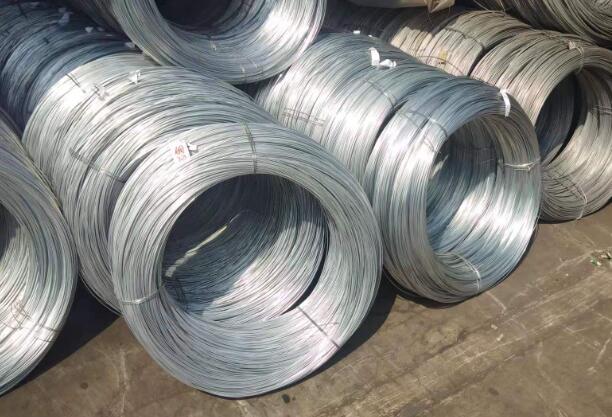
The primary material for small concrete nails is typically medium to high carbon steel (e.g., SAE 1045, 1050). Carbon content influences hardness and brittleness; higher carbon content improves hardness but reduces ductility. The steel undergoes a heat treatment process – usually quenching and tempering – to achieve the required balance of hardness for penetration and toughness to resist bending. The manufacturing process begins with wire drawing, reducing the steel wire diameter to the desired nail shank size. Following wire drawing, the wire is fed into a nail forming machine. This machine employs a series of dies and punches to progressively cold-head the wire, creating the nail head and point geometry. Critical parameters during cold heading include die angle, punch velocity, and lubrication. Improper control of these parameters can lead to head defects, shank cracking, or inconsistent nail dimensions. Surface treatment is a crucial step. Common coatings include bright phosphate, zinc plating, and hot-dip galvanization. Phosphate coatings provide corrosion resistance and a surface for paint adhesion. Zinc plating offers sacrificial corrosion protection. Galvanization provides a more robust, longer-lasting protective layer, especially in exterior applications. Chemical compatibility of the coating with the concrete substrate is critical; some coatings can react with alkaline components within the concrete, accelerating corrosion. Material certifications verifying steel composition and coating thickness are standard quality control measures. The shank geometry is particularly important. Common designs include smooth shanks, annular ring shanks (providing mechanical interlocking), and twisted shanks (increasing bending resistance). Shank diameter significantly influences pull-out resistance.
Performance & Engineering
The performance of small concrete nails is primarily defined by their shear strength and pull-out resistance. Shear strength, the resistance to forces acting parallel to the nail shank, is determined by the nail's cross-sectional area and the steel's shear modulus. Pull-out resistance, the force required to extract the nail from the concrete, is influenced by several factors: nail shank geometry, embedment depth, concrete compressive strength, and the nail's diameter. Engineering calculations for nail spacing and edge distance are essential to ensure structural integrity. Codes such as the International Building Code (IBC) provide guidelines for allowable nail loads based on nail size, concrete strength, and application type. Environmental resistance is a significant consideration. Exposure to moisture, temperature fluctuations, and corrosive agents can degrade the nail’s coating and lead to corrosion. Galvanized nails offer superior corrosion resistance compared to phosphate or zinc-plated nails. Furthermore, the thermal expansion coefficient mismatch between steel and concrete can induce stresses, particularly in applications subject to large temperature swings. Compliance requirements dictate the need for testing and certification to ensure nails meet minimum performance standards. ASTM F1667 provides standardized testing procedures for concrete nails, including pull-out and shear tests. The application of finite element analysis (FEA) can be used to model nail behavior under various loading conditions, optimizing nail geometry and predicting performance in specific applications. Proper installation technique is critical; angled driving can reduce pull-out resistance and increase the risk of bending.
Technical Specifications
| Nail Diameter (inches) | Nail Length (inches) | Head Diameter (inches) | Shank Type |
|---|---|---|---|
| 0.083 | 1 | 0.375 | Smooth |
| 0.099 | 1.5 | 0.437 | Annular Ring |
| 0.113 | 2 | 0.5 | Twisted |
| 0.125 | 2.5 | 0.562 | Smooth |
| 0.140 | 3 | 0.625 | Annular Ring |
| 0.157 | 3.5 | 0.687 | Twisted |
Failure Mode & Maintenance
Small concrete nails are susceptible to several failure modes. Shear failure occurs when the force applied exceeds the nail’s shear strength, resulting in the nail shank fracturing. Pull-out failure occurs when the nail is extracted from the concrete, typically due to insufficient embedment depth or low concrete compressive strength. Bending failure arises from excessive lateral loads, causing the nail to bend and lose its holding capacity. Corrosion is a prevalent long-term failure mechanism, particularly in exposed environments. Rust weakens the nail shank, reducing its strength and promoting pull-out. Fatigue cracking can occur under repeated loading cycles, initiating at stress concentration points such as the nail head or shank irregularities. Delamination of the concrete surrounding the nail can also contribute to reduced holding power. Maintenance primarily focuses on preventing corrosion. Regular inspection of nailed connections in exposed applications is recommended. Applying protective coatings (e.g., paint, sealant) to the nail head and surrounding concrete can provide additional corrosion protection. Replacement of corroded nails is essential to maintain structural integrity. When removing nails, avoid excessive force to prevent damage to the concrete substrate. Use a nail puller designed for concrete applications to minimize spalling or cracking. Proper installation according to manufacturer’s guidelines is the most effective preventative maintenance measure. Overdriving nails can damage the concrete and reduce pull-out resistance, while underdriving can result in inadequate holding power.
Industry FAQ
Q: What is the difference between a smooth shank and an annular ring shank concrete nail?
A: A smooth shank nail relies primarily on friction for holding power, making it suitable for softer concrete or temporary applications. An annular ring shank nail features raised rings along the shank, which mechanically interlock with the concrete, significantly increasing pull-out resistance, particularly in harder concrete. This makes annular ring shank nails ideal for more demanding, permanent applications.
Q: How does concrete compressive strength affect the pull-out resistance of a concrete nail?
A: Higher concrete compressive strength generally results in greater pull-out resistance. The concrete provides a stronger matrix to grip the nail shank. Nails are typically tested and rated based on performance in specific concrete compressive strength ranges; selecting the appropriate nail for the concrete’s strength is crucial.
Q: What coating provides the best corrosion resistance for concrete nails?
A: Hot-dip galvanization provides the most robust corrosion protection. The thick zinc coating acts as a sacrificial barrier, preventing rust from reaching the steel nail shank. Zinc plating and phosphate coatings offer less corrosion resistance and are better suited for interior, dry applications.
Q: What is the appropriate nail spacing for a typical furring strip application?
A: Nail spacing depends on the load requirements and the thickness of the furring strip. Generally, a spacing of 12 to 16 inches on center is recommended. Refer to local building codes and engineering guidelines for specific requirements based on the application and material properties.
Q: Can concrete nails be used in brick or block substrates?
A: Yes, concrete nails can be used in brick and concrete block, but their performance will differ compared to solid concrete. The holding power is reduced in softer materials. Using a twisted shank nail can help improve holding power in these substrates, and proper nail selection and spacing are essential.
Conclusion
Small concrete nails represent a vital component within the construction fastening landscape, providing a cost-effective and readily deployable solution for a wide array of light-duty anchoring applications. Understanding the interplay between material science – particularly steel composition, heat treatment, and coating selection – and manufacturing parameters is fundamental to ensuring consistent product quality and performance. The proper consideration of performance characteristics, including shear strength, pull-out resistance, and environmental durability, is essential for safe and reliable installation.
Future development in concrete nail technology may focus on advanced coating materials offering enhanced corrosion protection, novel shank geometries maximizing mechanical interlock, and the integration of smart materials for real-time monitoring of nail load and structural integrity. Continued adherence to industry standards and rigorous testing protocols will remain paramount in maintaining the reliability and safety of these critical fastening elements.