



Introduction
Steel concrete nails are specialized fasteners designed for securing materials to concrete, brick, and other masonry substrates. Positioned within the broader fastening industry, they represent a critical component in structural applications, particularly where high shear and tensile strength are required. Unlike traditional nails used in wood construction, steel concrete nails are hardened and often coated for corrosion resistance, enabling them to penetrate dense materials without bending or shattering. Core performance characteristics include penetration depth, withdrawal resistance, shear strength, and fatigue life. Their usage spans numerous industries, including construction, infrastructure development, and industrial maintenance. The selection of the appropriate steel concrete nail is dictated by factors such as the concrete’s compressive strength, the nature of the attached material, and the anticipated load conditions. This guide provides an in-depth exploration of the material science, manufacturing processes, performance engineering, and potential failure modes associated with steel concrete nails, ultimately offering practical insights for informed procurement and application.
Material Science & Manufacturing
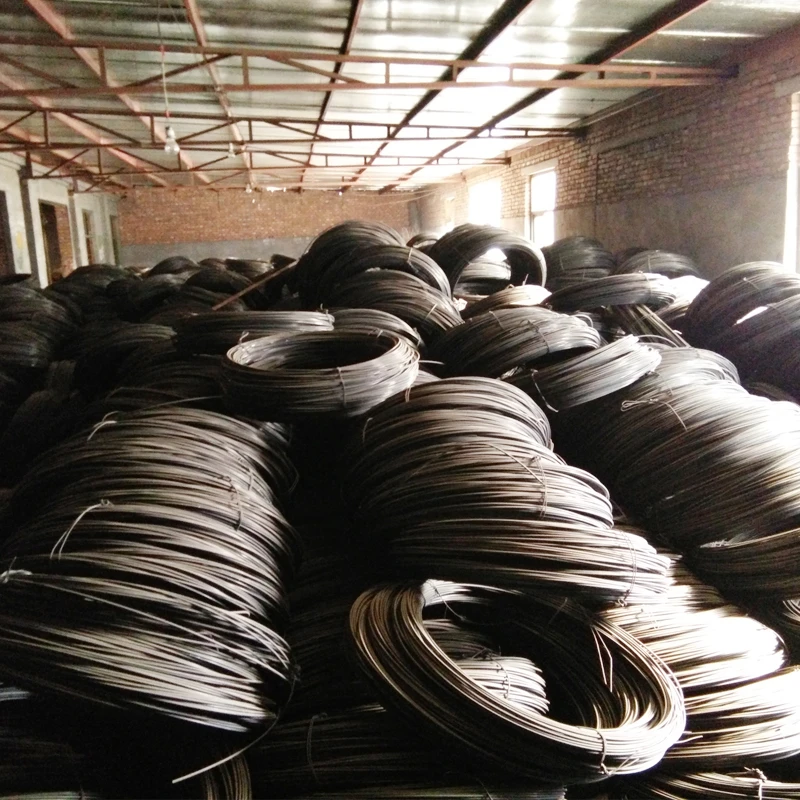
The primary material for steel concrete nails is high-carbon steel, typically ranging from AISI 1045 to 1060. This selection is driven by the steel's inherent hardness, tensile strength, and ductility. Carbon content generally falls between 0.45% and 0.60%, enhancing its ability to withstand deformation during penetration. Manufacturing begins with steel wire drawing, reducing the diameter to the required nail gauge. Following wire drawing, a heading process forms the nail head, often utilizing cold forging to induce work hardening. This increases the head's strength and prevents mushrooming during driving. The nail shaft is then subjected to heat treatment – typically quenching and tempering – to further enhance hardness and toughness. Quenching rapidly cools the steel, creating martensite, a hard but brittle phase. Tempering then reduces brittleness while maintaining a substantial portion of the hardness. Surface treatments are crucial for corrosion protection. Common coatings include zinc plating (electrogalvanizing or hot-dip galvanizing), epoxy powder coating, or specialized polymer coatings. The choice of coating depends on the environmental exposure conditions and desired lifespan. Dimensional control is paramount, monitored through rigorous quality checks using calibrated micrometers and optical comparators. The nail point is often sharpened via grinding or cutting, optimizing penetration efficiency. Modern manufacturing facilities incorporate automated inspection systems, utilizing eddy current testing to detect surface defects and ensuring consistent product quality. Furthermore, the material’s microstructure—specifically, the grain size and distribution of carbides—is critical; finer grain structures enhance toughness and resistance to cracking.
Performance & Engineering
The performance of steel concrete nails is heavily dependent on several engineering principles. Penetration is governed by the nail's geometry (point angle, shank diameter), driving energy (impact force and velocity), and the compressive strength of the concrete. Force analysis demonstrates that significant energy is dissipated during penetration, primarily as plastic deformation of the steel and fracturing of the concrete. Withdrawal resistance is a crucial performance metric, influenced by the nail’s surface friction against the concrete and the mechanical interlock provided by the deformed shank (if present). Shear strength is determined by the nail’s cross-sectional area and the steel's shear modulus. Fatigue performance is critical in dynamic loading applications, requiring consideration of stress concentration at the nail head and shank-concrete interface. Environmental resistance is addressed through appropriate coating selection, mitigating corrosion caused by moisture, chlorides, and other corrosive agents. Compliance requirements, such as those specified by building codes (IBC, Eurocode 2), mandate minimum performance criteria for concrete fasteners. These codes often prescribe load capacities based on nail diameter, length, and concrete strength. Finite element analysis (FEA) is frequently used in the design and validation of steel concrete nails, simulating stress distributions and predicting failure modes under various loading conditions. Furthermore, pull-out tests and shear tests are conducted according to ASTM E1190 and similar standards to empirically verify performance characteristics.
Technical Specifications
| Diameter (mm) | Length (mm) | Tensile Strength (MPa) | Shear Strength (MPa) |
|---|---|---|---|
| 3.5 | 50 | 600 | 350 |
| 3.5 | 75 | 650 | 400 |
| 4.0 | 50 | 700 | 420 |
| 4.0 | 75 | 750 | 480 |
| 5.0 | 75 | 800 | 550 |
| 5.0 | 100 | 850 | 600 |
Failure Mode & Maintenance
Steel concrete nails are susceptible to several failure modes. Fatigue cracking can occur under cyclic loading, initiating at stress concentration points such as the nail head or shank defects. Withdrawal failure occurs when the nail is pulled out of the concrete, exceeding the bond strength. Shear failure involves the nail breaking due to excessive shear stress. Corrosion is a significant long-term degradation mechanism, leading to reduced cross-sectional area and decreased strength. Hydrogen embrittlement can occur in high-strength steel nails exposed to corrosive environments, further accelerating failure. Delamination of the concrete surrounding the nail can reduce the effective embedment depth and decrease withdrawal resistance. Oxidation of the steel, even with protective coatings, can occur over extended periods, particularly in harsh environments. Preventive maintenance involves regular inspection for signs of corrosion or deformation. Damaged or corroded nails should be replaced. Proper concrete curing practices minimize cracking and enhance the long-term durability of the fastening system. The application of a sealant around the nail head can prevent moisture ingress and reduce the risk of corrosion. Furthermore, specifying nails with appropriate coatings for the intended environment is critical. For example, hot-dip galvanized nails are preferred for outdoor applications exposed to salt spray.
Industry FAQ
Q: What is the impact of concrete compressive strength on the holding power of a steel concrete nail?
A: Higher concrete compressive strength generally leads to increased holding power. The denser the concrete matrix, the greater the frictional resistance and mechanical interlock between the nail and the concrete. However, excessively high concrete strength can also increase the risk of cracking around the nail, potentially reducing long-term performance.
Q: How does the nail coating affect its long-term durability in corrosive environments?
A: The coating provides a barrier against corrosive agents such as moisture and chlorides. Zinc plating offers sacrificial corrosion protection, while epoxy or polymer coatings provide a more robust barrier. The choice depends on the severity of the environment. Hot-dip galvanizing typically provides superior long-term corrosion resistance compared to electrogalvanizing.
Q: What is the difference between a smooth shank nail and a deformed shank nail in terms of withdrawal resistance?
A: Deformed shank nails (with rings, spirals, or barbs) offer significantly higher withdrawal resistance than smooth shank nails. The deformations create a mechanical interlock with the concrete, increasing the force required to pull the nail out.
Q: What factors influence the fatigue life of a steel concrete nail?
A: Fatigue life is influenced by the magnitude and frequency of the applied load, the presence of stress concentrators (e.g., nail head, shank defects), the material’s fatigue strength, and the environmental conditions. Reducing stress concentration and selecting a nail with high fatigue strength are crucial for maximizing fatigue life.
Q: What testing standards are commonly used to evaluate the performance of steel concrete nails?
A: Common testing standards include ASTM E1190 (Standard Test Methods for Shear Testing of Fasteners in Concrete), ASTM E488 (Standard Test Methods for Strength of Anchors in Concrete and Masonry Elements), and Eurocode 2 (Design of Concrete Structures) which specifies performance requirements and testing procedures.
Conclusion
Steel concrete nails represent a vital fastening solution for a wide array of construction and industrial applications. Their performance is intricately linked to material selection, manufacturing precision, and a thorough understanding of engineering principles governing penetration, withdrawal, and shear resistance. Selecting the appropriate nail, considering the concrete’s properties and environmental conditions, is crucial for ensuring structural integrity and long-term durability.
Future advancements in steel concrete nail technology will likely focus on developing more durable coatings, optimizing nail geometries for enhanced performance, and incorporating smart monitoring systems to detect potential failure modes. Continued research into concrete-fastener interaction, coupled with adherence to evolving industry standards, will be essential for ensuring the safe and reliable application of these critical fastening components.