



Introduction
Steel nails for concrete represent a critical fastening solution within the construction industry, specifically designed for securing materials to concrete substrates. Unlike nails intended for wood, concrete nails necessitate specialized material composition and geometries to overcome the inherent hardness and compressive strength of concrete. Their technical position lies between mechanical anchors (which offer higher load-bearing capacity but require more complex installation) and adhesive-based fastening systems (suitable for lighter loads and specific surface preparations). Core performance characteristics revolve around shear strength, tensile strength, withdrawal resistance, and durability in alkaline environments characteristic of concrete. Addressing the prevalent industry pain points of fastening failures due to insufficient holding power, corrosion, and improper installation techniques, concrete nails provide a relatively quick and cost-effective fastening method where extensive anchoring isn’t required. This guide will comprehensively detail the material science, manufacturing processes, performance parameters, failure modes, and maintenance considerations surrounding these essential construction fasteners.
Material Science & Manufacturing
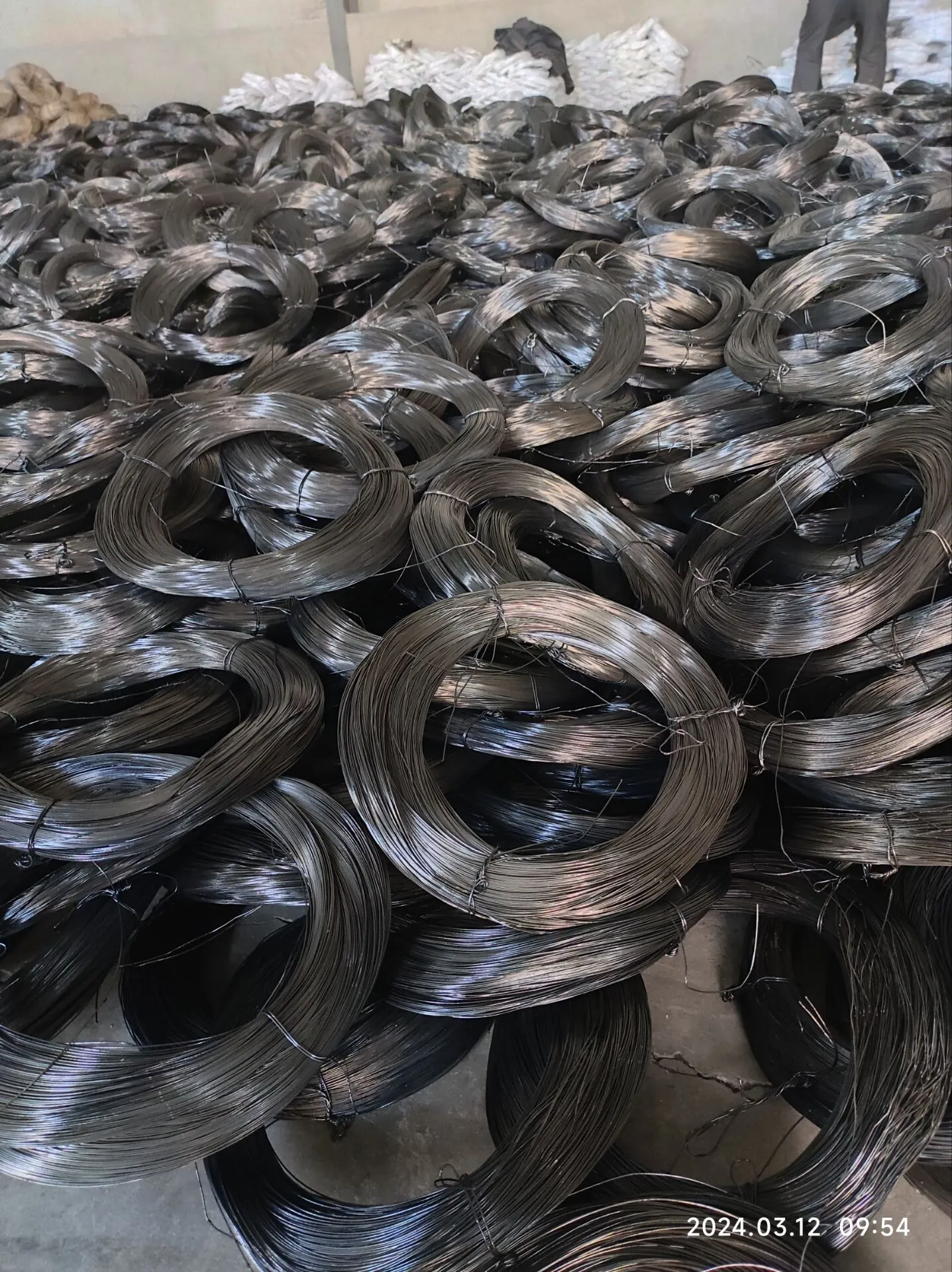
The manufacturing of concrete nails begins with the selection of appropriate steel alloys. Typically, high-carbon steel (AISI 1045 or equivalent) is utilized, offering a balance of strength, hardness, and weldability. The carbon content (0.45-0.55%) is critical; insufficient carbon results in inadequate hardness, while excessive carbon can lead to brittleness. Raw material quality control involves verifying chemical composition using spectroscopic analysis and assessing mechanical properties (tensile strength, yield strength, elongation) through standardized testing. The manufacturing process typically involves cold heading, where steel wire is fed into a heading machine that forms the nail shape through compressive force. This process work-hardens the steel, increasing its strength. Subsequent processes include thread rolling (for spiral-shanked nails to enhance withdrawal resistance) and heat treatment, primarily tempering, to relieve internal stresses induced by cold working and achieve the desired hardness profile. Surface treatments are crucial for corrosion resistance. Common options include zinc plating (hot-dip galvanizing or electro-galvanizing), epoxy coating, or stainless steel cladding. Galvanizing provides sacrificial protection, while epoxy coatings create a barrier against corrosive agents. Chemical compatibility between the coating and the concrete alkali content is paramount; improper coating selection can lead to premature coating failure. Key parameter control during manufacturing includes wire diameter tolerance, head dimensions, shank geometry, thread pitch (for spiral nails), and coating thickness, all subject to strict statistical process control (SPC).
Performance & Engineering
The performance of concrete nails is fundamentally governed by force analysis relating to shear, tension, and withdrawal. Shear strength is the nail's resistance to forces acting parallel to the concrete surface, vital for applications where lateral loads are present. Tensile strength represents the nail's ability to resist forces attempting to pull it straight out of the concrete. Withdrawal resistance, particularly critical for spiral-shanked nails, is determined by the friction between the shank surface and the concrete, and the compressive force exerted by the surrounding concrete. Engineering design considerations include concrete compressive strength (typically tested using ASTM C39), nail spacing, edge distance, and the type of material being fastened. Environmental resistance is a key factor. Concrete is highly alkaline (pH 12.5-13.5), and this alkalinity can corrode unprotected steel. The selection of appropriate coatings, as described in the Materials section, is crucial. Compliance requirements are dictated by building codes and industry standards. In the US, ICC-ES evaluation reports (International Code Council – Evaluation Services) provide evidence of compliance with building code requirements. European standards (EN) and ISO standards also govern the performance and testing of concrete fasteners. The nail’s geometry – shank diameter, length, and point angle – influences its penetration force and resistance to bending. Finite element analysis (FEA) is often employed to optimize nail design and predict performance under various loading conditions. Fatigue performance must also be considered for applications involving cyclic loading.
Technical Specifications
| Nail Diameter (mm) | Nail Length (mm) | Shank Type | Minimum Withdrawal Strength (kN) |
|---|---|---|---|
| 3.5 | 50 | Smooth | 0.8 |
| 4.0 | 75 | Spiral | 1.5 |
| 4.5 | 100 | Spiral | 2.2 |
| 5.0 | 125 | Spiral | 3.0 |
| 6.0 | 150 | Spiral | 4.5 |
| 8.0 | 200 | Spiral | 7.0 |
Failure Mode & Maintenance
Concrete nail failures commonly manifest as withdrawal, bending, shear failure, or corrosion-induced degradation. Withdrawal failure occurs when the nail’s holding power is exceeded, resulting in the nail being pulled out of the concrete. This is particularly prevalent with smooth-shanked nails and in concrete with low compressive strength. Bending failure happens when the nail undergoes excessive bending stress, leading to plastic deformation and eventual fracture. Shear failure occurs when the nail’s shear strength is exceeded, causing the nail to break or the concrete around the nail to fracture. Corrosion is a significant long-term failure mode, especially in marine environments or where concrete is exposed to de-icing salts. Corrosion products expand, creating internal stresses that weaken the nail and concrete bond. Failure analysis should include visual inspection for corrosion, measurement of nail withdrawal resistance, and potentially metallographic examination of fractured nails to determine the failure mechanism. Maintenance primarily involves preventative measures. Applying protective coatings to nails prior to installation, especially in corrosive environments, is crucial. Regular inspection of fastened connections is recommended, particularly in critical applications. If corrosion is detected, damaged nails should be replaced with appropriately coated fasteners. It’s critical to avoid overdriving nails, as this can damage the surrounding concrete and reduce holding power. Furthermore, the use of appropriate installation tools and techniques is essential to ensure proper nail penetration and secure fastening.
Industry FAQ
Q: What is the primary difference between a smooth-shanked and spiral-shanked concrete nail?
A: The key difference lies in their withdrawal resistance. Smooth-shanked nails rely primarily on friction between the nail shaft and the concrete. Spiral-shanked nails, with their helical grooves, significantly increase withdrawal resistance by creating a mechanical interlock with the concrete, effectively increasing the surface area for friction and requiring significantly more force to remove.
Q: How does concrete compressive strength affect the holding power of a concrete nail?
A: Higher compressive strength concrete generally provides greater holding power for concrete nails. This is because stronger concrete offers increased resistance to deformation around the nail shank, leading to greater frictional forces and reduced risk of concrete cracking. However, extremely high-strength concrete can also be more prone to brittle fracture, so careful selection of nail size and type is essential.
Q: What coating offers the best corrosion resistance for concrete nails used in coastal environments?
A: Hot-dip galvanizing typically offers the best corrosion resistance for concrete nails in coastal environments. The thick zinc coating provides a robust sacrificial barrier, protecting the steel from corrosion even if the coating is slightly damaged. Epoxy coatings can also provide good protection, but their durability is more susceptible to impact damage.
Q: What installation techniques should be avoided when driving concrete nails?
A: Overdriving nails should be avoided, as this can damage the surrounding concrete, reducing its compressive strength and the nail’s holding power. Angled driving can also compromise the nail’s shear strength. Utilizing a hammer with sufficient impact energy and ensuring the nail is driven perpendicular to the concrete surface are essential for proper installation.
Q: Are there specific building codes that govern the use of concrete nails?
A: Yes, building codes such as the International Building Code (IBC) in the US, and EN standards in Europe, regulate the use of concrete nails. These codes often reference ICC-ES evaluation reports, which provide documented evidence of a nail’s performance and compliance with building code requirements. Local building codes may also have specific requirements.
Conclusion
Concrete nails represent a practical and economical fastening solution for a diverse range of construction applications. Their effectiveness is inextricably linked to meticulous material selection, precise manufacturing processes, and a thorough understanding of the governing engineering principles. The selection of appropriate nail diameter, length, shank type, and coating is critical, dependent on concrete strength, environmental conditions, and the specific load requirements.
Addressing industry pain points related to premature failure necessitates a holistic approach, encompassing not only high-quality fasteners but also proper installation techniques and regular maintenance inspections. Continued advancements in coating technologies and nail geometries promise to further enhance the performance and longevity of these essential construction components, fostering safer and more durable infrastructure.