



Introduction
Zinc coated drywall screws are mechanical fasteners specifically designed for attaching gypsum wallboard (drywall) to wood or metal framing. These screws represent a critical component in interior construction, providing secure and reliable attachment vital for structural integrity and aesthetic finish. Their technical position within the building materials supply chain is as a final fastening element, dependent on the quality of steel wire rod, cold heading processes, thread rolling, and crucially, the zinc coating application. The primary performance characteristics of these screws include shear strength, tensile strength, corrosion resistance, and holding power, directly influencing the longevity and safety of drywall installations. The prevalent issues within the industry revolve around inconsistent zinc coating quality leading to premature corrosion, stripping of screw heads during installation, and brittleness of the screw material resulting in breakage. This guide provides a comprehensive technical overview of zinc coated drywall screws, detailing material science, manufacturing processes, performance characteristics, potential failure modes, and relevant industry standards.
Material Science & Manufacturing
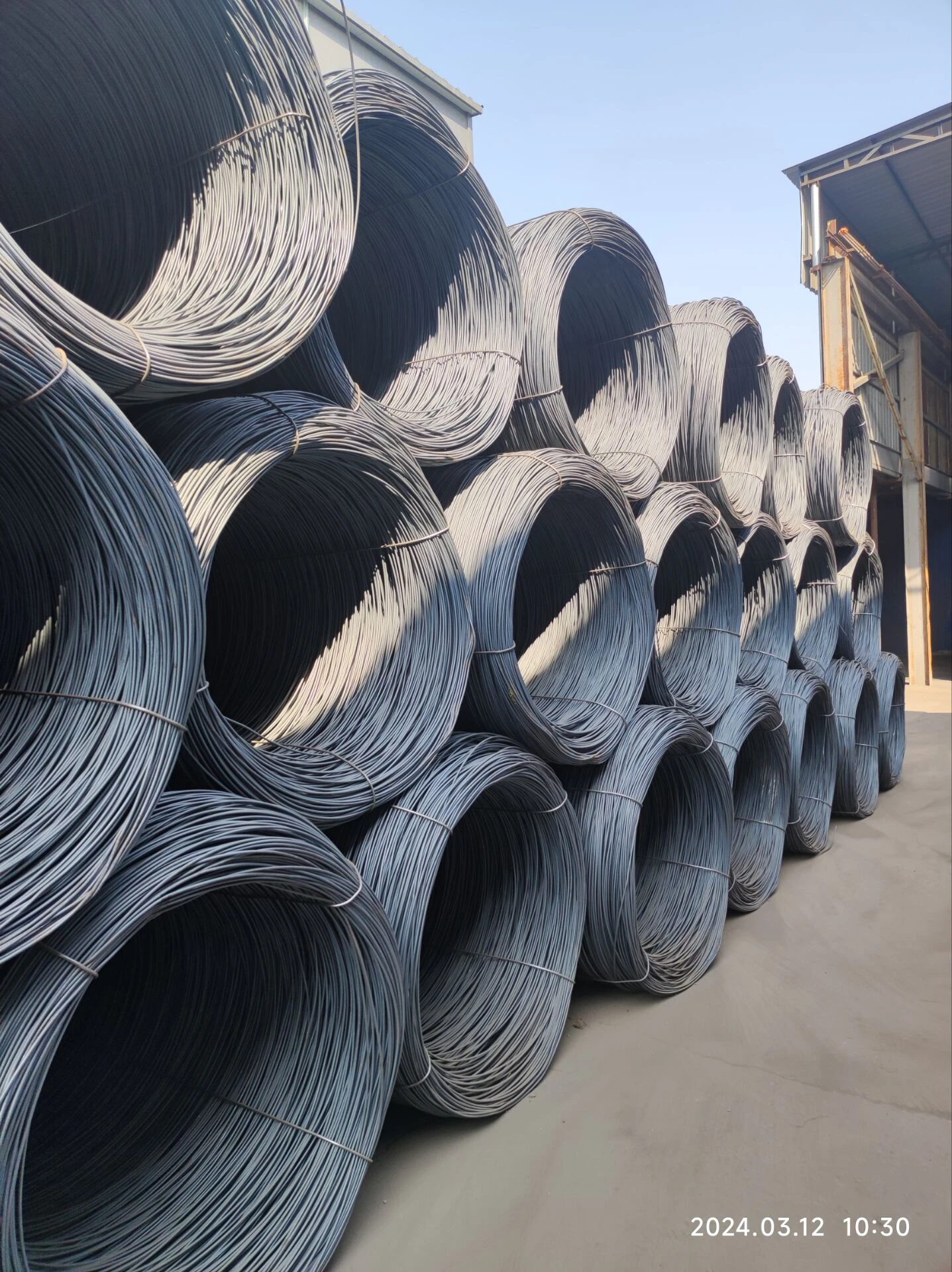
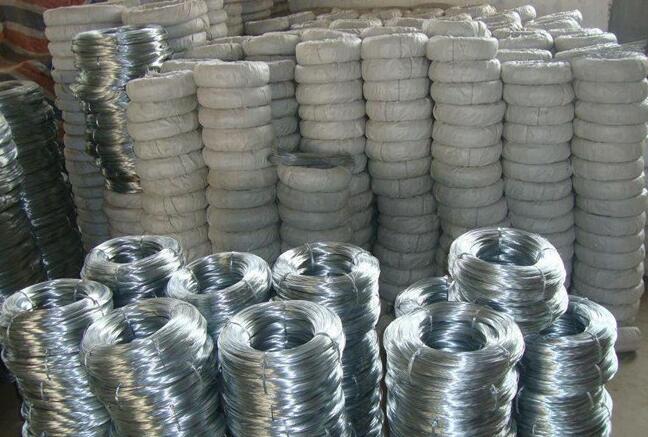
Drywall screws are typically manufactured from medium to high carbon steel wire (typically SAE 1022 or 1023). The steel’s carbon content is critical, influencing hardness and ductility. Higher carbon content increases hardness but reduces ductility, increasing the risk of brittleness. The manufacturing process begins with cold heading, where the wire is fed into a machine that forms the screw head. This is followed by thread rolling, creating the helical threads necessary for penetration and holding power. Surface treatment is paramount, with zinc coating being the most common corrosion protection method. Several zinc coating techniques exist, each impacting performance. Hot-dip galvanizing provides a thicker, more durable coating but can result in dimensional inconsistencies. Electrogalvanizing offers a more consistent and controllable coating thickness but generally provides less corrosion protection than hot-dip galvanizing. Zinc-nickel alloy plating offers superior corrosion resistance compared to standard electrogalvanizing, albeit at a higher cost. The zinc coating's effectiveness is dependent on its thickness, adherence, and the presence of chromate conversion coatings, which provide an additional layer of corrosion protection. Proper heat treatment is also essential to achieve the desired hardness and tensile strength, typically involving carburizing or nitriding processes. Critical parameters during manufacturing include die lubrication (for cold heading), thread roll pressure, zinc bath chemistry (for galvanizing), and coating thickness control, all impacting the final product's performance. The material’s microstructure should be carefully controlled to avoid defects such as inclusions or voids that can compromise screw strength.
Performance & Engineering
The performance of zinc coated drywall screws is governed by several engineering principles. Shear strength, the ability to resist forces applied parallel to the screw shank, is crucial for preventing slippage of drywall panels. Tensile strength, the resistance to forces applied perpendicular to the screw shank, is important for preventing screw breakage during installation or under load. The holding power, quantified by pull-out resistance, depends on the screw’s thread design, shank diameter, and the properties of the gypsum wallboard and framing material. Environmental resistance, particularly corrosion resistance, is a key performance indicator. The zinc coating acts as a sacrificial anode, corroding preferentially to the steel substrate. However, this protection is limited by the coating’s thickness and the severity of the environment. Screws must also meet specific compliance requirements, such as those outlined in ASTM C1002 (Standard Specification for Zinc-Coated Steel Drywall Screws). Force analysis during installation reveals that significant torque is required to drive the screw into the framing material. Excessive torque can lead to stripping of the screw head or breakage of the screw shank. Finite element analysis (FEA) is often employed to optimize screw geometry and material properties to maximize performance and minimize failure risks. The screw's design must also account for potential thermal expansion and contraction of the drywall and framing materials, preventing stress concentrations that could lead to cracking or loosening.
Technical Specifications
| Parameter | Unit | Type 1 Screw (3.5mm) | Type 2 Screw (4.2mm) |
|---|---|---|---|
| Nominal Diameter | mm | 3.5 | 4.2 |
| Length | mm | 32, 38, 45 | 38, 45, 57 |
| Head Type | - | Bugle | Bugle |
| Material | - | SAE 1022 Steel | SAE 1022 Steel |
| Coating | - | Electrogalvanized | Hot-Dip Galvanized |
| Zinc Coating Thickness | µm | 5-8 | 55-80 |
| Tensile Strength | MPa | 480-570 | 480-620 |
| Shear Strength | MPa | 300-350 | 350-400 |
| Minimum Embedment Depth (into drywall) | mm | 13 | 16 |
| Torque Resistance | Nm | 2.0-3.0 | 3.0-4.5 |
Failure Mode & Maintenance
Zinc coated drywall screws are susceptible to several failure modes. Corrosion is a primary concern, particularly in humid environments or areas exposed to moisture. Rusting weakens the screw and reduces its holding power. Hydrogen embrittlement, a consequence of the galvanizing process, can lead to delayed cracking under stress. Stripping of the screw head occurs when excessive torque is applied, damaging the driver bit recess. Shear failure happens when the screw is subjected to excessive shear forces, exceeding its shear strength. Tensile failure happens when the screw is pulled apart, exceeding its tensile strength. Fatigue cracking can develop under cyclic loading, leading to gradual weakening and eventual failure. Delamination of the zinc coating, caused by poor adhesion or environmental factors, reduces corrosion protection. Maintenance primarily focuses on preventing failure. Proper installation techniques, including using the correct screw type for the application and avoiding over-torquing, are crucial. Regular inspection of drywall installations, particularly in areas prone to moisture, can identify early signs of corrosion. If corrosion is detected, screws should be replaced. Avoiding direct contact between dissimilar metals (e.g., zinc and aluminum) can minimize galvanic corrosion. In areas with high humidity, applying a corrosion inhibitor to the screw threads can provide additional protection. Proper storage of screws in a dry environment prevents pre-installation corrosion.
Industry FAQ
Q: What is the difference between electrogalvanized and hot-dip galvanized drywall screws, and which is better for exterior applications?
A: Electrogalvanizing provides a thinner, more uniform coating with better appearance, but offers less corrosion resistance than hot-dip galvanizing. Hot-dip galvanizing provides a much thicker coating, offering significantly greater corrosion protection. For exterior applications, even hot-dip galvanizing may be insufficient without additional protective coatings. Consider using screws specifically designed for exterior use, often with stainless steel or other corrosion-resistant materials.
Q: How does the carbon content in the steel affect the performance of drywall screws?
A: Higher carbon content increases the hardness and tensile strength of the screw, making it more resistant to deformation. However, it also reduces ductility, making the screw more brittle and prone to fracture under impact or bending. The optimal carbon content is a balance between hardness and ductility, typically around 0.22-0.28% for drywall screws.
Q: What causes screw head stripping during installation, and how can it be prevented?
A: Screw head stripping is typically caused by excessive torque, using the wrong driver bit size or type, or a worn driver bit. To prevent stripping, use a properly sized driver bit that fits snugly into the screw head recess, avoid over-torquing, and replace worn driver bits regularly.
Q: How does the type of drywall impact the required screw length and spacing?
A: Thicker drywall requires longer screws to ensure adequate penetration into the framing material. Screw spacing is also dependent on drywall thickness and the load requirements. Building codes specify minimum screw spacing for different drywall thicknesses and applications. Generally, 1/2" drywall requires screws spaced 12" apart, while 5/8" drywall requires screws spaced 16" apart.
Q: Is there a correlation between the zinc coating thickness and the long-term performance of drywall screws in corrosive environments?
A: Yes, a direct correlation exists. A thicker zinc coating provides a greater sacrificial barrier, delaying the onset of corrosion of the underlying steel. However, the quality of the coating application (adhesion, uniformity) is equally important. Regularly checking for and adhering to specified coating thicknesses detailed in standards like ASTM is vital.
Conclusion
Zinc coated drywall screws are fundamental fastening elements in modern construction, relying on a complex interplay of material science, manufacturing precision, and engineering principles to provide reliable performance. Understanding the nuances of steel composition, zinc coating methods, and potential failure modes is essential for ensuring long-term structural integrity and preventing costly repairs. The selection of appropriate screw type, proper installation techniques, and regular maintenance are all critical components of a successful drywall installation.
Moving forward, advancements in coating technology, such as the development of more durable zinc alloys and corrosion inhibitors, will continue to enhance the performance and longevity of these essential fasteners. Furthermore, increased emphasis on quality control throughout the manufacturing process will be vital for mitigating the risk of premature failure and ensuring consistent performance across all applications.