



Introduction
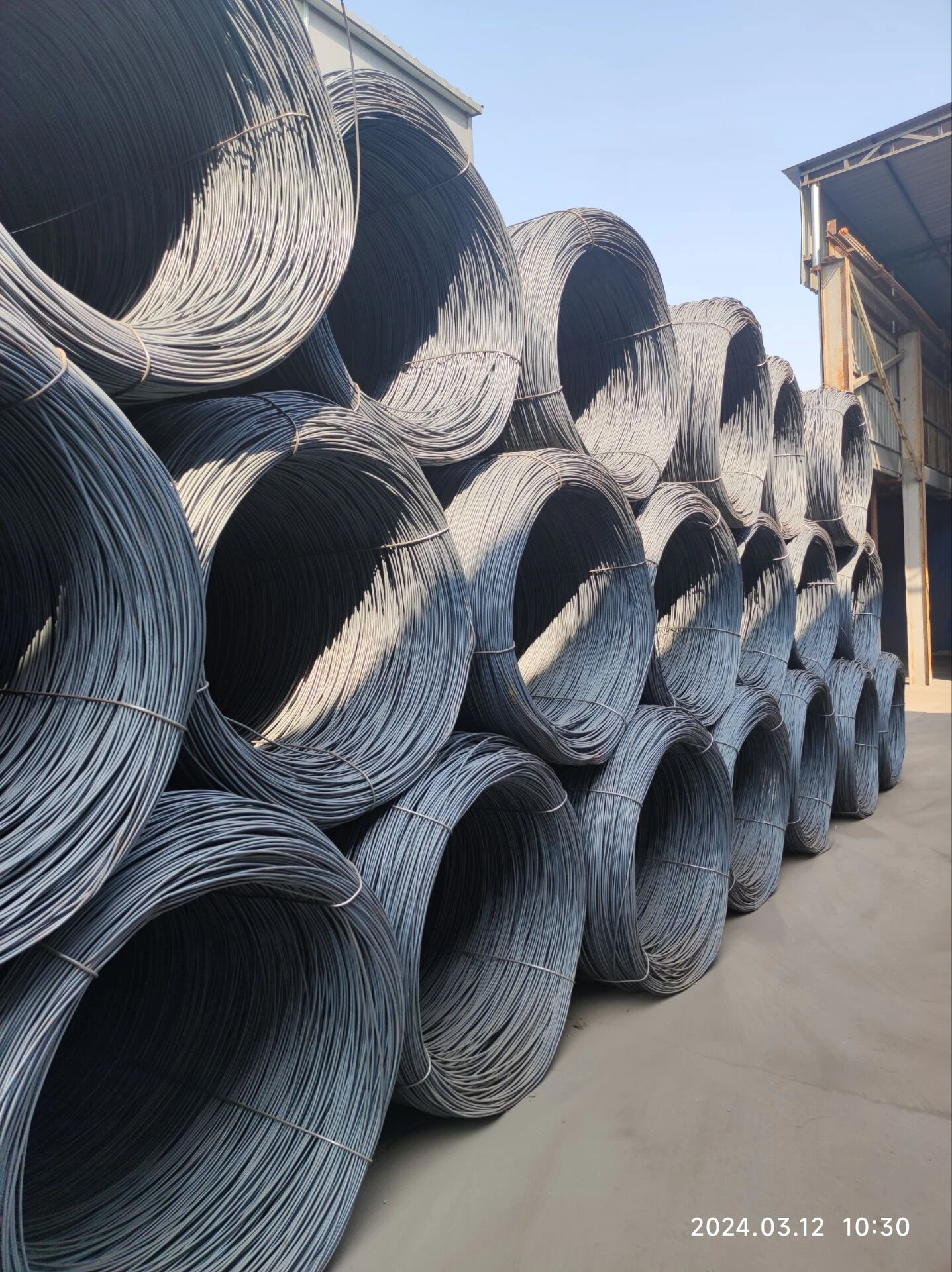
1.2 mm galvanised wire represents a crucial component across a diverse range of industrial applications, primarily serving as a foundational element in fencing, construction, agricultural support, and various manufacturing processes. Its technical position within the materials supply chain is as a semi-finished product, derived from low-carbon steel wire which undergoes a hot-dip galvanisation process to impart corrosion resistance. The core performance characteristics center around tensile strength, ductility, formability, and, most importantly, its resistance to environmental degradation. Galvanisation, using a zinc coating, provides cathodic protection to the underlying steel, significantly extending its service life. Understanding the nuances of 1.2mm galvanisation – coating thickness, zinc alloy composition, and wire mechanical properties – is paramount for ensuring long-term structural integrity and preventing premature failure in demanding environments. A key industry pain point revolves around inconsistent galvanisation quality leading to localised corrosion and reduced lifespan, coupled with the need to balance cost-effectiveness with robust protective performance. This guide details the material science, manufacturing processes, performance parameters, and potential failure modes of 1.2 mm galvanised wire, providing a comprehensive technical resource for engineers, procurement managers, and quality control professionals.
Material Science & Manufacturing
The base material for 1.2 mm galvanised wire is typically low-carbon steel, conforming to standards like SAE 1008 or similar grades containing 0.08% maximum carbon content. This composition provides adequate ductility for wire drawing and subsequent forming operations. Key physical properties include a tensile strength typically ranging from 330-450 MPa, yield strength around 200-280 MPa, and elongation at break exceeding 15%. Manufacturing begins with the hot rolling of steel billets into wire rod. This is followed by a series of cold drawing operations through progressively smaller dies to achieve the desired 1.2 mm diameter. Critical parameters during wire drawing include die angle, drawing speed, and lubrication. Insufficient lubrication can lead to friction heating, work hardening, and ultimately, wire breakage. The galvanisation process itself involves cleaning the steel wire to remove oils, rust, and mill scale. This is typically achieved through alkaline cleaning, pickling with hydrochloric or sulfuric acid, and fluxing with zinc ammonium chloride. The cleaned wire is then immersed in a bath of molten zinc (typically 98% pure) maintained at around 450-460°C. The wire’s residence time in the bath dictates coating thickness. The zinc metallurgically bonds with the steel surface forming a series of zinc-iron alloy layers, followed by a pure zinc outer layer. Cooling is carefully controlled to minimise thermal shock and ensure uniform coating adhesion. Post-galvanisation treatments such as passivation (chromate or non-chromate conversion coatings) are often applied to enhance corrosion resistance further.
Performance & Engineering
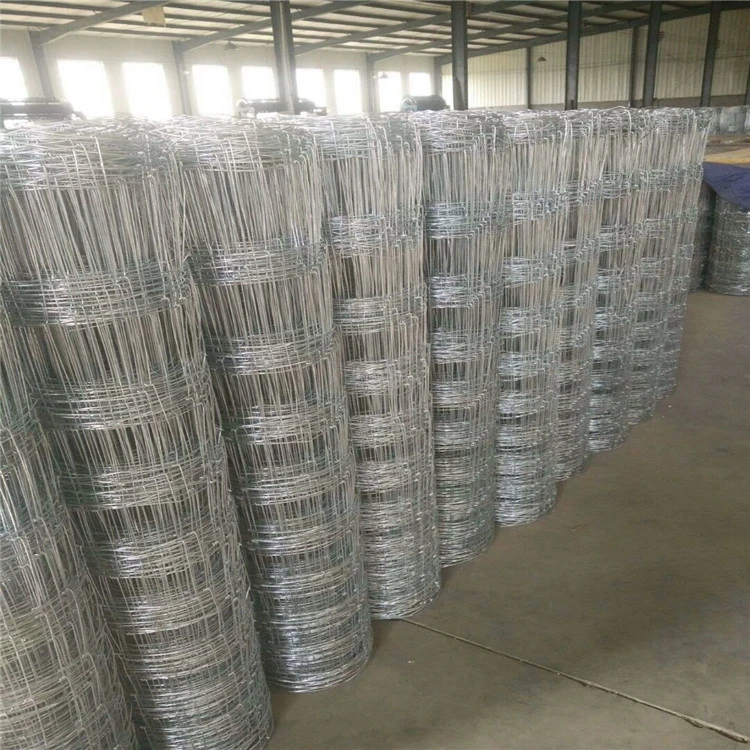
The performance of 1.2 mm galvanised wire is fundamentally dictated by its mechanical properties and corrosion resistance. Tensile strength is critical for applications involving load-bearing elements like fencing or cable armoring. Engineering calculations must account for the wire’s yield strength to prevent permanent deformation under stress. Environmental resistance is primarily governed by the zinc coating thickness and its uniformity. The zinc coating acts as a sacrificial anode, corroding preferentially to the steel, thus protecting the base metal. The rate of zinc corrosion is influenced by factors such as humidity, salinity, temperature, and the presence of pollutants (sulphur dioxide, chlorides). In marine environments, for instance, chloride ions accelerate corrosion. Galvanised wire used in construction must comply with relevant building codes and standards concerning wind load, snow load, and seismic activity. These standards dictate minimum wire gauge and spacing requirements to ensure structural stability. Furthermore, the ductility of the wire is crucial for forming operations such as bending, weaving, and twisting. Excessive bending radius can lead to fatigue cracking or coating damage. Compliance requirements vary based on application; for example, agricultural applications may require compliance with regulations regarding heavy metal content in soil, while food packaging applications necessitate adherence to food-grade standards.
Technical Specifications
| Parameter | Unit | Typical Value | Test Method |
|---|---|---|---|
| Diameter | mm | 1.2 ± 0.02 | Micrometer |
| Tensile Strength | MPa | 380 – 450 | ASTM A6 / ISO 6892-1 |
| Yield Strength | MPa | 240 – 300 | ASTM A6 / ISO 6892-1 |
| Elongation at Break | % | >15 | ASTM A6 / ISO 6892-1 |
| Zinc Coating Thickness | µm | 60 – 80 | ASTM B61 / ISO 9227 |
| Zinc Coating Weight | g/m² | 60 – 80 | ASTM B61 / ISO 9227 |
Failure Mode & Maintenance
Common failure modes for 1.2 mm galvanised wire include corrosion, fatigue cracking, and mechanical damage. Corrosion typically initiates at coating defects (scratches, pinholes) or along the wire’s edges. Crevice corrosion can occur in areas where water and contaminants accumulate. ‘White rust’ (zinc hydroxide corrosion) forms under humid conditions, accelerating coating degradation. Fatigue cracking can arise from repeated bending or tensile stress, particularly in applications involving vibration or dynamic loads. The presence of hydrogen embrittlement, caused by acid pickling during galvanisation, can exacerbate fatigue susceptibility. Mechanical damage, such as cuts or abrasions, exposes the underlying steel to corrosion. Maintenance strategies focus on preventative measures and early detection of corrosion. Regular inspection for coating damage is crucial, particularly in harsh environments. Damaged areas can be repaired using zinc-rich paints or by localised re-galvanisation. For applications prone to abrasion, consider using thicker wire gauges or protective sleeves. Maintaining a dry environment can significantly reduce the rate of corrosion. In cases where corrosion is widespread, the wire may need to be replaced. Periodic application of a corrosion inhibitor can also extend service life. Proper storage of galvanised wire is essential, protecting it from moisture and contaminants.
Industry FAQ
Q: What is the impact of varying zinc alloy compositions in the galvanisation process on corrosion resistance?
A: The addition of elements like aluminum, silicon, and magnesium to the zinc bath significantly alters the morphology of the galvanised coating. Aluminum, for instance, promotes the formation of a more compact and adherent zinc-iron alloy layer, enhancing corrosion resistance, particularly in marine environments. Silicon refines the grain structure of the coating, improving its barrier properties. Magnesium enhances the ductility of the coating. However, excessive alloy additions can reduce coating adhesion and increase brittleness. The optimal alloy composition depends on the specific application and environmental conditions.
Q: How does the wire drawing process affect the mechanical properties and corrosion resistance of the final product?
A: The wire drawing process introduces work hardening, increasing the tensile strength and yield strength of the wire, but reducing its ductility. Excessive cold work can lead to internal stresses that compromise fatigue resistance. Proper annealing after drawing is crucial to restore ductility and relieve internal stresses. Furthermore, the surface finish achieved during wire drawing impacts galvanisation adhesion. A smooth, clean surface promotes better coating bonding. Improper lubrication during drawing can lead to surface defects that act as initiation sites for corrosion.
Q: What is the significance of passivation treatments post-galvanisation, and what are the environmental concerns associated with traditional chromate passivation?
A: Passivation treatments form a conversion coating on the zinc surface, providing an additional layer of corrosion protection. Chromate passivation, traditionally used, creates a self-healing layer that effectively inhibits corrosion. However, hexavalent chromium is a known carcinogen and poses significant environmental risks. Consequently, there's a strong shift towards non-chromate passivation treatments utilizing alternative compounds like zinc phosphate, titanium dioxide, or silanes. While these alternatives offer reduced environmental impact, they generally provide slightly lower corrosion resistance than chromate passivation.
Q: What testing procedures are commonly used to assess the quality and durability of the galvanised coating?
A: Common testing procedures include coating thickness measurement (ASTM B61/ISO 9227), salt spray testing (ASTM B117/ISO 9227) to assess corrosion resistance, adhesion testing (ASTM A780/ISO 4941), and metallographic examination to evaluate coating structure and composition. Also, uniform coating thickness is assessed by performing a copper-sulfate test (ASTM B267). Electrochemical impedance spectroscopy (EIS) is increasingly used for more detailed corrosion analysis.
Q: How does temperature affect the performance of galvanised wire in high-temperature applications?
A: At elevated temperatures, the zinc coating can undergo diffusion into the steel substrate, potentially altering its mechanical properties. Above approximately 200°C, the rate of zinc diffusion increases significantly. Furthermore, the zinc coating can oxidise, forming zinc oxide, which may reduce corrosion resistance. In high-temperature applications, specialized coatings with higher melting points (e.g., aluminized steel wire) are often preferred. The long-term performance of galvanised wire at elevated temperatures depends on the specific temperature, exposure time, and environmental conditions.
Conclusion
1.2 mm galvanised wire, through a meticulously controlled manufacturing process blending material science with engineering precision, delivers a robust and cost-effective solution for a wide spectrum of applications requiring tensile strength, ductility, and crucially, corrosion resistance. The galvanisation process, while seemingly straightforward, involves a complex interplay of metallurgical reactions and process parameters, directly impacting the longevity and performance of the wire. Understanding the potential failure modes—corrosion initiated by coating defects, fatigue cracking under cyclic stress, and mechanical damage—is essential for implementing effective preventative maintenance strategies and ensuring structural integrity.
Looking ahead, the industry is focusing on sustainable galvanisation practices, including the development of non-chromate passivation treatments and the optimization of zinc alloy compositions to maximize corrosion protection with reduced environmental impact. Further research into advanced coating techniques, such as zinc-nickel alloys, promises to enhance performance in aggressive environments. Continued advancements in non-destructive testing methods will enable more accurate assessment of coating quality and early detection of potential failures, leading to improved reliability and extended service life for this ubiquitous industrial material.