



Introduction
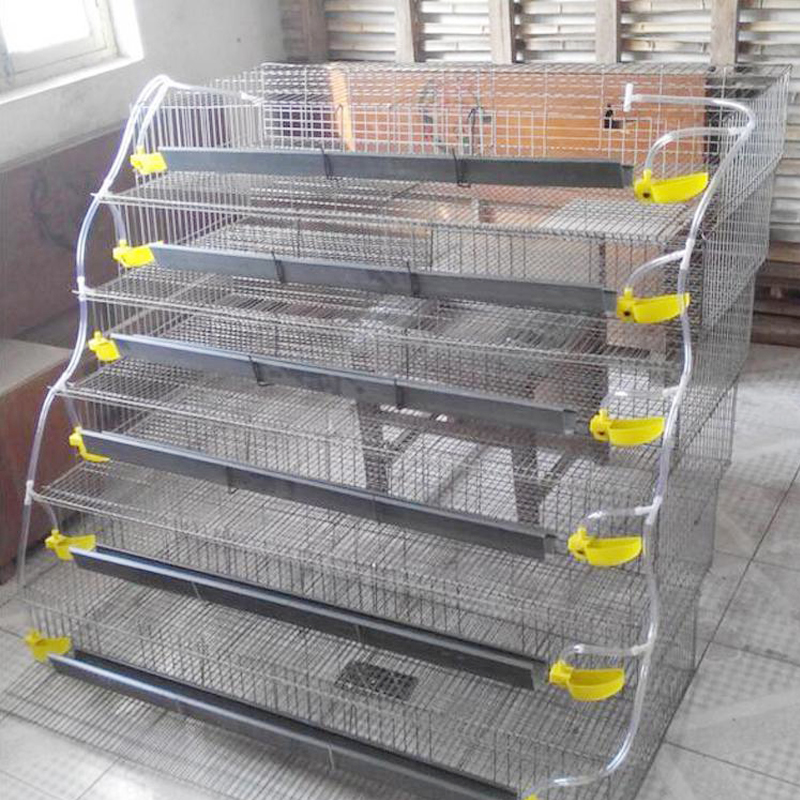
1/4 inch galvanized wire is a carbon steel wire coated with a protective layer of zinc. This coating provides corrosion resistance, making it a widely utilized material across diverse industries including agriculture, construction, manufacturing, and telecommunications. Its primary function is to provide structural support, secure components, and act as a barrier against environmental degradation. Positioned within the broader metal products supply chain, galvanized wire represents a crucial semi-finished good, serving as a precursor to fabricated components such as fences, cages, mesh, cable stays, and binding wire. The performance of 1/4" galvanized wire is fundamentally determined by its zinc coating thickness, steel core properties (tensile strength, ductility), and the quality of the galvanization process. Its appeal stems from offering a balance between cost-effectiveness, mechanical strength, and longevity in challenging environments. Core performance metrics include tensile strength, elongation, zinc coating weight, and resistance to salt spray corrosion.
Material Science & Manufacturing
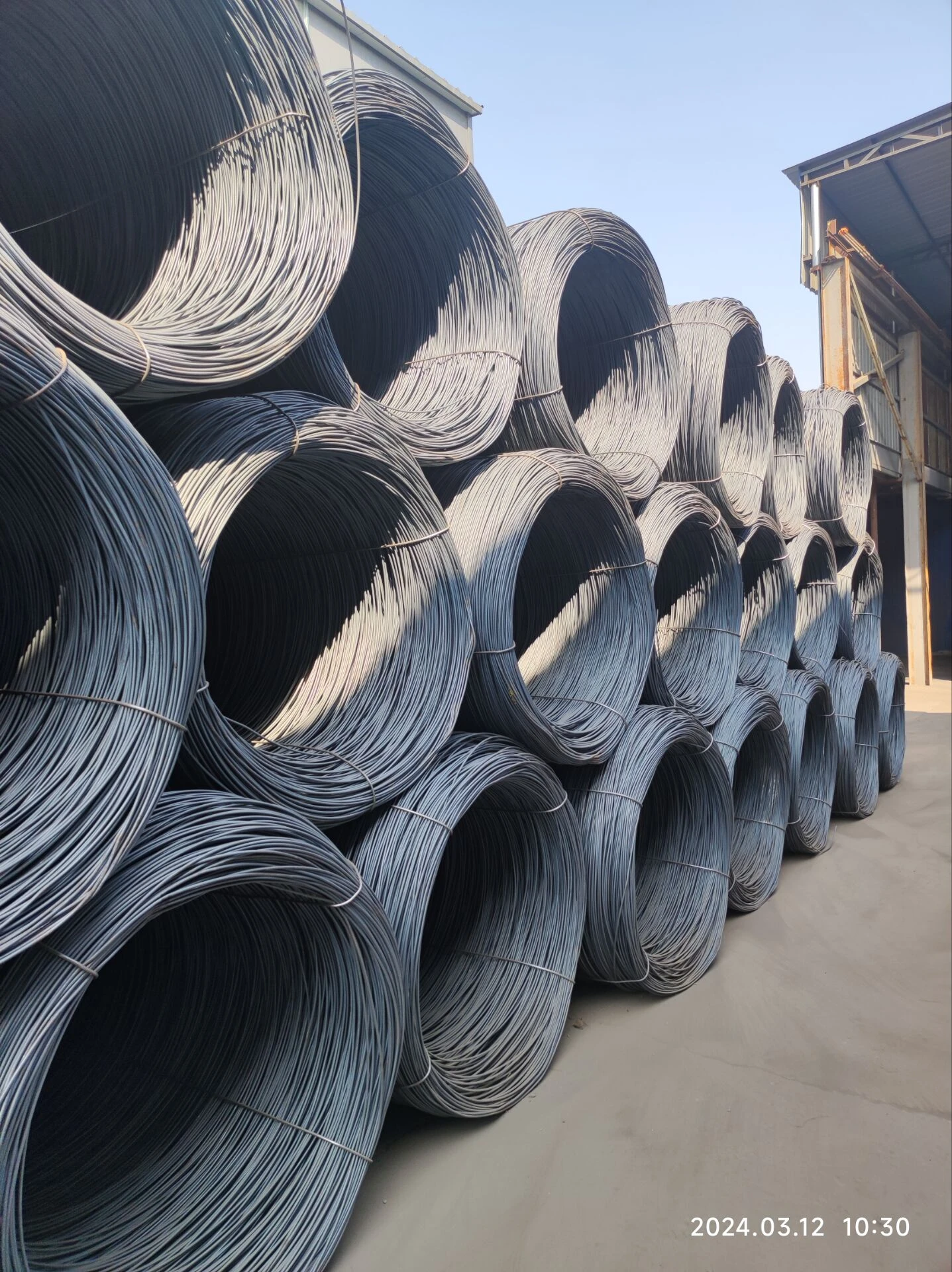
The raw material for 1/4” galvanized wire is typically low-carbon steel, specifically SAE 1008 or similar grades, characterized by its balance of ductility and tensile strength. The steel’s composition dictates its formability and weldability. The zinc used for galvanization is commonly of the SHG (Special High Grade) variety, possessing a purity of 99.995% to ensure optimal coating adherence and corrosion protection. Manufacturing begins with cold drawing of steel rod to achieve the precise 1/4” (6.35mm) diameter. This process work-hardens the steel, increasing its tensile strength but reducing ductility. Annealing may be employed to restore ductility if required for specific applications. The galvanization process is typically hot-dip galvanizing, involving immersion of the cleaned steel wire into a molten zinc bath (typically 450-460°C). Surface preparation is critical, including acid pickling to remove rust and scale, followed by fluxing to promote zinc adhesion. Key parameters include bath temperature, immersion time, zinc bath composition (aluminum, silicon), and cooling rate. Electrogalvanizing is also used, offering more precise coating thickness control, but generally provides thinner coatings compared to hot-dip galvanizing. Coating thickness is crucial; a thicker coating increases corrosion resistance but can also lead to brittleness and potential spalling. Post-galvanizing treatments, such as chromate conversion coatings, can further enhance corrosion resistance and paint adhesion.
Performance & Engineering
The performance of 1/4” galvanized wire is governed by several engineering principles. Tensile strength, typically ranging from 80-120 ksi (550-830 MPa) depending on the steel grade and processing, determines its load-bearing capacity. Elongation at break, typically 10-20%, indicates its ductility and ability to withstand deformation before failure. The zinc coating provides cathodic protection to the steel core; zinc corrodes preferentially, sacrificing itself to protect the underlying steel. Environmental resistance is paramount, particularly in marine or industrial environments where exposure to chlorides and sulfates accelerates corrosion. Compliance requirements vary by application. For agricultural fencing, standards relate to wire gauge, tensile strength, and coating weight. For cable stays in telecommunications, standards address tensile strength, elongation, and resistance to vibration fatigue. Force analysis is crucial in applications involving tension or bending. Wire rope constructions utilizing 1/4" galvanized wire necessitate consideration of fatigue life under cyclical loading. The diameter and the laying pattern heavily influence load distribution. Chemical compatibility is also relevant; prolonged exposure to strongly acidic or alkaline solutions can degrade the zinc coating, diminishing its protective properties. Maintaining adequate zinc coating thickness is essential for long-term performance, and periodic inspection is recommended.
Technical Specifications
| Parameter | Unit | Typical Value (SAE 1008 Steel, Class 3 Galvanizing) | Testing Standard |
|---|---|---|---|
| Diameter | inches | 0.250 (± 0.005) | ASTM A36 |
| Tensile Strength | ksi | 80-100 | ASTM A36 |
| Elongation at Break | % | 12-18 | ASTM A36 |
| Zinc Coating Weight | oz/ft² | 1.2 - 1.5 | ASTM A123 |
| Minimum Coating Thickness | µm | 30-38 | ASTM A123 |
| Salt Spray Resistance | hours | 240-360 | ASTM B117 |
Failure Mode & Maintenance
Several failure modes can affect 1/4” galvanized wire. Corrosion is the most prevalent, manifesting as rust formation and gradual material loss. This can be accelerated by chloride exposure (marine environments) or acidic rain. Hydrogen embrittlement, occurring during the pickling process, can reduce ductility and lead to cracking under stress. Mechanical fatigue, from cyclical loading, can induce crack initiation and propagation, particularly at stress concentration points. Galvanic corrosion can occur when the galvanized wire is in contact with dissimilar metals in a conductive environment. Spalling of the zinc coating can expose the steel core to corrosion. Maintenance strategies include regular visual inspection for rust, cracks, or coating damage. For applications prone to corrosion, applying a protective coating (paint, epoxy) over the galvanized surface can significantly extend service life. Lubrication can reduce friction and wear in moving parts where the wire is used. In cases of significant corrosion, wire replacement is often the most practical solution. Avoiding bending the wire at sharp angles minimizes stress concentration and reduces the risk of cracking. Proper storage in a dry environment prevents premature corrosion. Periodic zinc coating thickness measurements can monitor coating degradation over time.
Industry FAQ
Q: What is the difference between Class 1, Class 2, and Class 3 galvanizing, and how does it affect the wire's lifespan?
A: Galvanizing classes refer to the minimum zinc coating weight per unit area. Class 1 offers the lowest protection, typically used for indoor applications. Class 2 provides intermediate protection for general outdoor use. Class 3 offers the highest level of protection, ideal for severe corrosive environments like marine applications or industrial areas. Higher classes equate to thicker coatings, longer corrosion protection, and increased lifespan, but also potentially increased brittleness.
Q: Can 1/4" galvanized wire be welded, and what considerations should be made?
A: Yes, 1/4" galvanized wire can be welded, but it requires specific techniques to avoid hazardous fumes and ensure weld integrity. The zinc coating vaporizes during welding, releasing toxic fumes that necessitate proper ventilation and respiratory protection. The weld area will be devoid of zinc coating, requiring post-weld galvanization or protective coating application to prevent corrosion. Flux-cored arc welding (FCAW) is often preferred due to its shielding properties.
Q: How does the steel core's composition influence the wire's performance beyond tensile strength?
A: The steel core's composition significantly influences ductility, formability, and weldability. Higher carbon content increases strength but reduces ductility, potentially leading to brittle fracture. Manganese content enhances hardenability and strength. Sulfur content can affect machinability but may also reduce weldability. The presence of phosphorus can improve strength and corrosion resistance but may also increase brittleness.
Q: What is the impact of annealing on the mechanical properties of galvanized wire?
A: Annealing is a heat treatment process that increases ductility and reduces hardness. While beneficial for applications requiring significant bending or forming, annealing typically lowers the tensile strength of the wire. The extent of strength reduction depends on the annealing temperature and duration. It is often performed after cold drawing to restore formability without compromising corrosion resistance.
Q: What is the role of passivation in extending the life of galvanized wire?
A: Passivation is a post-treatment process that creates a thin, inert layer on the zinc surface, further enhancing corrosion resistance. Chromate conversion coatings were traditionally used for passivation, but environmental concerns have led to the development of alternative treatments like phosphate coatings. Passivation slows down the initial corrosion rate and helps maintain the protective properties of the zinc coating over time.
Conclusion
1/4” galvanized wire represents a versatile and cost-effective material solution across a broad spectrum of industrial applications. Its performance is intrinsically linked to a complex interplay of material science, manufacturing process control, and understanding potential failure modes. The selection of appropriate steel grade, galvanization class, and post-treatment processes is critical to achieving the desired level of corrosion resistance and mechanical properties.
Continued advancements in galvanizing technologies, alongside stringent quality control measures, are essential to further enhance the durability and longevity of this ubiquitous material. Future developments may focus on optimizing zinc alloy compositions, exploring alternative corrosion inhibitors, and implementing advanced monitoring techniques to predict and prevent premature failure, ensuring the sustained performance of 1/4" galvanized wire in increasingly demanding environments.