



Introduction
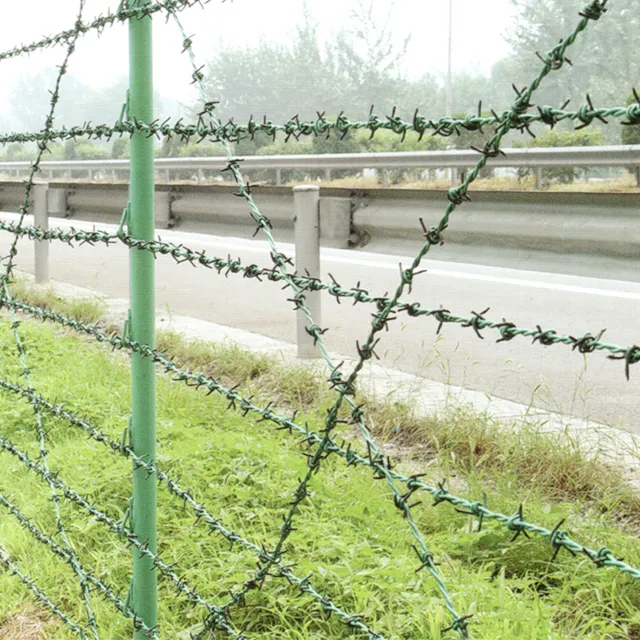
1.5 mm galvanised wire is a cold-drawn steel wire coated with a layer of zinc. This coating provides corrosion resistance, making it a crucial component across numerous industries including construction, agriculture, manufacturing, and telecommunications. Its primary function is to provide tensile strength and support, often in applications requiring weather resistance and longevity. The 1.5 mm diameter represents a common balance between cost-effectiveness, workability, and load-bearing capacity. Within the broader wire product landscape, galvanised wire specifically addresses the limitations of unprotected steel regarding oxidation and subsequent structural degradation. Core performance characteristics include tensile strength, zinc coating thickness, ductility, and formability, all of which dictate its suitability for specific applications. A key industry pain point is maintaining consistent zinc coating adhesion and thickness to prevent premature corrosion, especially in harsh environments.
Material Science & Manufacturing
The raw material for 1.5 mm galvanised wire is typically low-carbon steel (e.g., SAE 1008, 1010), chosen for its ductility and weldability. The steel possesses a predominantly ferritic microstructure, which is optimized for cold drawing. The manufacturing process begins with hot rolling steel billets into wire rod. This rod is then subjected to pickling, a process employing hydrochloric or sulfuric acid to remove surface oxides (mill scale). Following pickling, the wire rod undergoes several stages of cold drawing, reducing the diameter to 1.5 mm while increasing tensile strength. Lubricants are crucial during cold drawing to minimise friction and prevent fracture. The final stage is galvanising. The most common method is hot-dip galvanising, where the wire is passed through a molten zinc bath (typically 98% pure zinc) at a temperature of around 450°C. This creates a metallurgical bond between the zinc and the steel substrate, forming a series of zinc-iron alloy layers, followed by a pure zinc outer layer. Critical parameters in the galvanising process include bath temperature, immersion time, and withdrawal speed. These factors influence the thickness and uniformity of the zinc coating. Electrogalvanising is another method, using an electrolytic process to deposit zinc, offering better control over coating thickness but potentially lower adhesion. Zinc purity and the presence of impurities (e.g., lead, cadmium) in the zinc bath significantly impact coating quality and corrosion resistance. Post-galvanising treatments, such as passivation, are often applied to enhance corrosion protection and improve coating appearance.
Performance & Engineering
The performance of 1.5 mm galvanised wire is fundamentally governed by its mechanical properties and corrosion resistance. Tensile strength, typically ranging from 350-550 MPa depending on the steel grade and drawing process, dictates its load-bearing capacity. Yield strength, elongation, and reduction of area are also critical parameters. The zinc coating provides cathodic protection, meaning the zinc corrodes preferentially, protecting the underlying steel even if the coating is scratched or damaged. However, this protection is limited by the coating's thickness and uniformity. Environmental resistance is assessed through salt spray testing (ASTM B117) and cyclic corrosion testing, simulating real-world exposure conditions. Formability is an important consideration for applications involving bending or shaping the wire. The wire's ductility and bend radius must be sufficient to prevent cracking or failure. Engineering designs utilizing galvanised wire must account for potential creep under sustained loads, particularly at elevated temperatures. Furthermore, the compatibility of galvanised wire with other materials (e.g., aluminium, copper) must be considered to prevent galvanic corrosion. Compliance requirements vary by industry and region, often adhering to standards set by ASTM, ISO, and EN.
Technical Specifications
| Parameter | Typical Value | Testing Standard | Units |
|---|---|---|---|
| Diameter | 1.50 ± 0.02 | ISO 286 | mm |
| Tensile Strength | 400 - 500 | ASTM A610 | MPa |
| Yield Strength | 250 - 350 | ASTM A610 | MPa |
| Elongation | 15 - 25 | ASTM A610 | % |
| Zinc Coating Weight | 60 - 80 | ASTM B693 | g/m² |
| Zinc Coating Thickness | 8 - 12 | ASTM B693 | µm |
Failure Mode & Maintenance
Common failure modes of 1.5 mm galvanised wire include: 1) Uniform Corrosion: Gradual thinning of the zinc coating due to atmospheric exposure. 2) Crevice Corrosion: Accelerated corrosion in shielded areas where moisture and contaminants accumulate. 3) Galvanic Corrosion: Occurs when the galvanised wire is in contact with a more noble metal in the presence of an electrolyte. 4) Hydrogen Embrittlement: Can occur during the acid pickling process, leading to reduced ductility and increased susceptibility to cracking. 5) Mechanical Damage: Scratches, dents, or bending can compromise the zinc coating, exposing the underlying steel to corrosion. 6) White Rust (Zinc Oxide): Forms under humid conditions, especially during storage, and indicates early stages of corrosion. Maintenance involves regular inspection for signs of corrosion, particularly in exposed areas. Damaged coatings should be repaired using zinc-rich paints or re-galvanising techniques. Proper storage in a dry, well-ventilated environment is crucial to prevent white rust formation. Periodic cleaning to remove dirt and contaminants can also extend the wire's service life. In applications involving high stress or bending, regular replacement of the wire is recommended to prevent catastrophic failure.
Industry FAQ
Q: What is the impact of the steel’s carbon content on the galvanising process and final product performance?
A: Higher carbon content in the steel substrate can lead to a thicker, more brittle zinc-iron alloy layer during galvanising. While this can initially enhance corrosion resistance, it may reduce the ductility of the wire and increase the risk of cracking under stress. Therefore, low-carbon steel is generally preferred for galvanised wire intended for applications requiring formability and flexibility.
Q: How does the rate of cooling after hot-dip galvanising affect the metallurgical structure of the coating and its adhesion?
A: The cooling rate significantly impacts the formation of the zinc-iron alloy layers. Slower cooling promotes the formation of thicker and more well-defined alloy layers, improving adhesion. Rapid cooling can result in thinner, less uniform alloy layers and potentially increased stress in the coating, reducing adhesion and increasing the risk of flaking.
Q: What are the specific considerations for using 1.5mm galvanised wire in marine environments?
A: Marine environments are highly corrosive due to salt spray and humidity. For marine applications, a thicker zinc coating is recommended, along with the use of passivation treatments to enhance corrosion resistance. Regular inspection and maintenance are crucial, and consideration should be given to supplemental corrosion protection measures, such as applying protective coatings or utilising cathodic protection systems.
Q: Is there a significant difference in corrosion resistance between hot-dip galvanised and electrogalvanised wire, and when would you choose one over the other?
A: Hot-dip galvanising generally provides superior corrosion resistance due to the thicker and more metallurgically bonded zinc coating. Electrogalvanising offers better control over coating thickness and surface finish but typically results in a thinner coating. Electrogalvanising is preferred when a precise and uniform coating thickness is required, or for applications where aesthetics are critical. Hot-dip galvanising is the preferred choice for applications demanding maximum corrosion protection.
Q: How does the presence of sulfur in the steel affect the galvanising process and the long-term performance of the wire?
A: Sulfur is a detrimental impurity in steel for galvanising. It reacts with zinc to form brittle zinc sulfide compounds at the interface, reducing coating adhesion and increasing the risk of premature failure. Steel with low sulfur content (typically less than 0.02%) is essential for producing high-quality galvanised wire.
Conclusion
1.5 mm galvanised wire remains a cornerstone material across a diverse range of industries due to its cost-effective combination of tensile strength and corrosion resistance. The manufacturing process, from steel selection and cold drawing to the critical hot-dip galvanising stage, demands precise control of parameters to ensure optimal performance. Understanding the potential failure modes – ranging from uniform corrosion to hydrogen embrittlement – and implementing appropriate maintenance strategies are paramount for extending service life and mitigating risks.
Future advancements in galvanising technology, such as the development of more environmentally friendly zinc alloys and improved passivation techniques, will likely further enhance the performance and sustainability of 1.5 mm galvanised wire. Continued research into the influence of steel microstructure and coating composition on corrosion resistance will also be essential for optimising material selection and application guidelines. Proper specification, installation, and maintenance remain the most critical factors in maximizing the long-term value and reliability of this ubiquitous material.