



Introduction
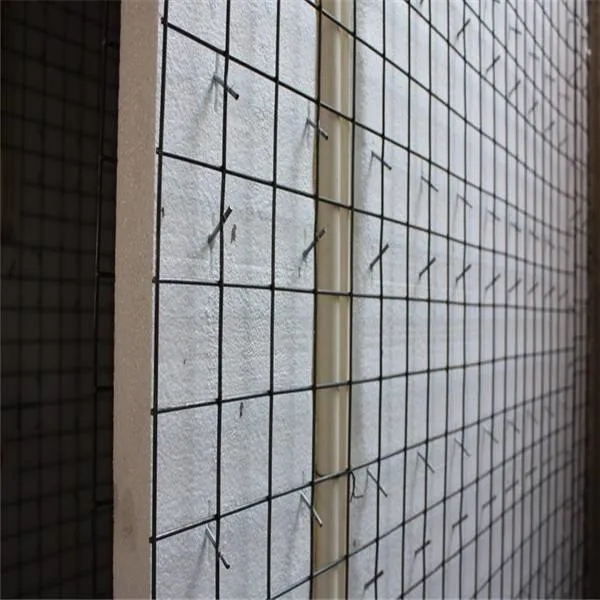
1.6 mm galvanised wire is a crucial component in numerous industrial applications, ranging from construction and agriculture to manufacturing and security. It consists of a low-carbon steel wire coated with a layer of zinc through a process of hot-dip galvanization. This coating provides exceptional corrosion resistance, enhancing the wire's longevity and suitability for outdoor and harsh environments. Positioned within the broader steel wire industry, 1.6 mm diameter represents a common size offering a balance between tensile strength, flexibility, and cost-effectiveness. Its primary performance characteristics include tensile strength, ductility, coating adhesion, and resistance to environmental degradation. Understanding these properties is vital for engineers and procurement professionals seeking reliable materials for their respective applications. Core challenges within the industry involve maintaining consistent zinc coating thickness, preventing hydrogen embrittlement during the galvanization process, and ensuring conformity to stringent international quality standards.
Material Science & Manufacturing
The base material for 1.6 mm galvanised wire is typically low-carbon steel, often conforming to specifications like SAE 1008 or similar. This steel composition offers good ductility and weldability. The key physical property of the steel is its tensile strength, typically ranging from 370-550 MPa depending on the specific grade. Chemically, the steel consists primarily of iron with small percentages of carbon (0.05-0.15%), manganese (0.3-0.6%), and phosphorus/sulfur (less than 0.04% each). Manufacturing begins with wire drawing, reducing the steel rod diameter to 1.6 mm. This process introduces work hardening, increasing the steel's strength but decreasing its ductility. Following wire drawing, the wires undergo a cleaning process to remove oils, scale, and other contaminants. This is critical for ensuring optimal zinc adhesion. The galvanization process, typically hot-dip galvanizing, involves immersing the cleaned wires in molten zinc (98% pure or higher) at approximately 450-460°C. The zinc metallurgically bonds with the steel surface, creating a protective layer. Critical parameters during galvanization include zinc bath temperature, immersion time, and cooling rate. Post-galvanization, the wires are often cooled, passivated (typically with a chromate conversion coating - though increasingly replaced with non-hexavalent treatments), and spooled for shipment. Quality control focuses on coating thickness (measured in mass per unit area – g/m²), coating uniformity, and the absence of defects like drips, runs, or bare spots.
Performance & Engineering
The primary engineering consideration for 1.6 mm galvanised wire is its load-bearing capacity and corrosion resistance. Force analysis typically involves calculating tensile stress based on applied loads and the wire's cross-sectional area (πr² where r = 0.8 mm). Safety factors are applied to account for dynamic loads, environmental factors, and material variability. Environmental resistance is paramount, particularly in applications exposed to salt spray, humidity, or acidic environments. The zinc coating acts as a barrier, preventing the steel from contacting corrosive elements. However, the rate of corrosion is affected by coating thickness, zinc alloy composition (if any alloying elements are present in the zinc bath), and the presence of pollutants. Galvanised wire is often used in applications requiring ductility and formability. Bending and twisting can impact the zinc coating, potentially creating micro-cracks and accelerating corrosion at those points. Therefore, bending radii and twisting angles are often specified in engineering designs. Compliance requirements vary by industry and region. For example, agricultural applications may need to comply with regulations regarding heavy metal content. Construction applications must adhere to building codes related to material strength and safety. The choice of passivation treatment impacts compliance as well, with regulations increasingly restricting the use of hexavalent chromium.
Technical Specifications
| Parameter | Unit | Typical Value | Testing Standard |
|---|---|---|---|
| Diameter | mm | 1.60 ± 0.02 | ISO 9388 |
| Tensile Strength | MPa | 370-550 | ASTM A641 |
| Zinc Coating Thickness | g/m² | 60-120 (depending on class) | ISO 9227 |
| Zinc Coating Adhesion | N/mm² | >5 | ASTM A780 |
| Elongation at Break | % | 15-25 | ASTM A641 |
| Hydrogen Embrittlement Resistance | Hours to Fracture | >720 | ASTM A780 |
Failure Mode & Maintenance
Common failure modes for 1.6 mm galvanised wire include corrosion, fatigue cracking, and mechanical damage. Corrosion occurs when the zinc coating is depleted, exposing the underlying steel to the environment. This can be accelerated by scratches, abrasions, or exposure to highly corrosive substances. Fatigue cracking arises from repeated bending or twisting, leading to the initiation and propagation of cracks in the wire. Mechanical damage, such as cuts or breaks, can occur due to impact or mishandling. Hydrogen embrittlement, a less common but critical failure mode, occurs when hydrogen atoms diffuse into the steel during galvanization, reducing its ductility and increasing its susceptibility to cracking. Maintenance strategies depend on the application. Regular inspection for signs of corrosion or damage is crucial. For applications exposed to harsh environments, periodic re-coating or application of protective coatings may be necessary. In cases of fatigue loading, reducing stress levels or increasing wire diameter can extend service life. Preventative measures include proper handling during installation, avoiding sharp bends or abrasions, and selecting appropriate passivation treatments. Failure analysis should involve microscopic examination of fracture surfaces to determine the root cause of failure.
Industry FAQ
Q: What is the difference between Class A, Class B, and Class C galvanisation, and how does it affect the wire's lifespan?
A: Galvanisation classes (A, B, and C, defined in standards like ISO 9227) refer to the minimum zinc coating mass per unit area (g/m²). Higher classes (e.g., Class C) provide thicker coatings and consequently greater corrosion protection, resulting in a longer lifespan. Class A is for mild environments, Class B for moderate environments, and Class C for severe environments such as marine or industrial settings. Selecting the appropriate class depends on the anticipated exposure conditions.
Q: How does the steel’s carbon content impact the galvanising process and the final wire’s properties?
A: Higher carbon content in the steel can lead to a thicker zinc-iron alloy layer during galvanisation, potentially improving wear resistance but also increasing brittleness. Low-carbon steel, typically used for 1.6 mm wire, offers a better balance of ductility and corrosion resistance. Controlling carbon content is critical for achieving optimal galvanisation and wire properties.
Q: What are the environmental concerns associated with galvanisation, and what alternatives are being explored?
A: Traditional galvanisation often uses chromate conversion coatings for passivation, which contain hexavalent chromium, a hazardous substance. This poses environmental concerns and is subject to increasing regulation. Alternatives include non-hexavalent passivation treatments, such as trivalent chromium passivation or organic coatings. These alternatives aim to provide comparable corrosion protection while minimizing environmental impact.
Q: How does temperature affect the tensile strength of galvanised wire?
A: Elevated temperatures can reduce the tensile strength of both the steel substrate and the zinc coating. While the impact is relatively small within typical operating temperatures, prolonged exposure to high temperatures (e.g., in a fire) can significantly diminish the wire's load-bearing capacity. The zinc coating's melting point is relatively low, leading to potential coating degradation at sufficiently high temperatures.
Q: What tests are performed to ensure the galvanised wire meets quality standards?
A: Common quality control tests include visual inspection for coating defects, coating thickness measurement (using methods like magnetic thickness gauges), adhesion testing (bend test or pull-off test), and salt spray testing to assess corrosion resistance. Metallographic examination can also be performed to evaluate the microstructure of the zinc coating and the steel substrate.
Conclusion
1.6 mm galvanised wire stands as a versatile and robust material, essential across diverse industries. Its performance is intrinsically linked to the interplay between steel composition, galvanization quality, and environmental factors. Understanding the material science principles and manufacturing nuances is paramount for ensuring optimal performance and longevity. The selection of appropriate galvanisation class, coupled with diligent maintenance practices, significantly extends the service life of the wire and minimizes the risk of premature failure.
Looking ahead, the industry faces increasing pressure to adopt more sustainable practices. This includes developing environmentally friendly passivation treatments, optimizing galvanization processes to reduce zinc consumption, and exploring alternative coatings with comparable corrosion resistance. Further research into alloy compositions and surface treatments will continue to enhance the performance and durability of 1.6 mm galvanised wire, solidifying its position as a critical component in countless engineering applications.