



Introduction
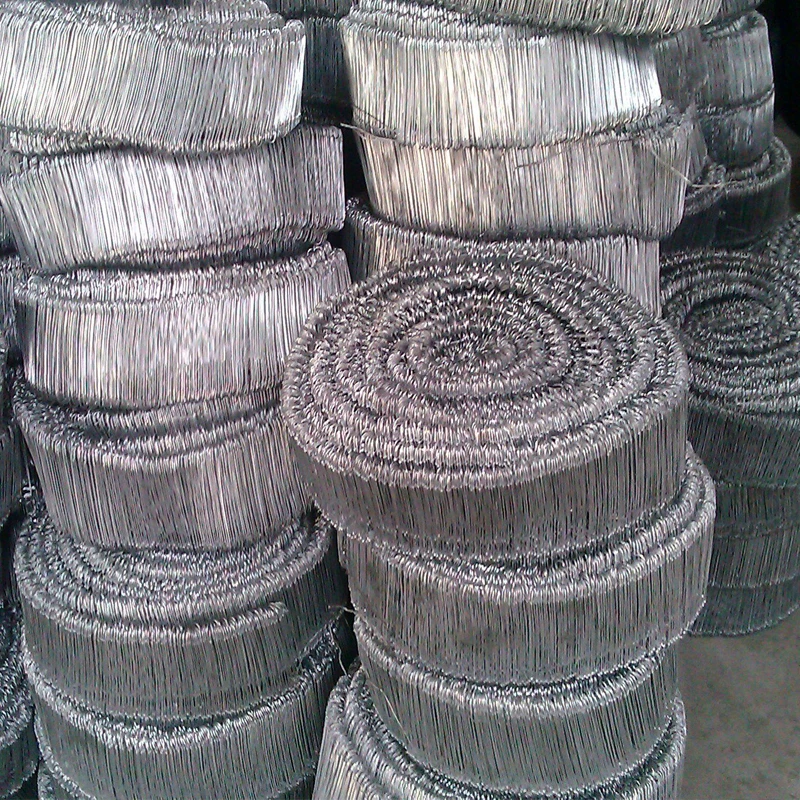
1.8mm galvanized wire is a carbon steel wire coated with a layer of zinc through a hot-dip galvanization process. Its primary function is to provide corrosion resistance to the underlying steel, extending its service life in harsh environments. In the industrial chain, it serves as a crucial component in diverse applications including fencing, cable armoring, binding wire, agricultural wire, and as a precursor material for producing other fabricated metal products. The core performance characteristics center around tensile strength, ductility, coating adhesion, and sustained corrosion protection. Understanding the nuances of these properties is critical for selecting the appropriate grade of galvanized wire for specific engineering applications, minimizing premature failure and ensuring long-term structural integrity. The increasing demands for longevity and reduced maintenance in infrastructure projects drive the continued importance of optimized galvanized wire production and application.
Material Science & Manufacturing
The base material for 1.8mm galvanized wire is typically low-carbon steel, with a carbon content ranging from 0.05% to 0.15%. Other alloying elements may be present in small quantities to influence mechanical properties, such as manganese (0.30-0.60%) for increased strength and sulfur (0.02-0.05%) for improved machinability. The zinc coating, applied via hot-dip galvanization, is the key to corrosion protection. The manufacturing process begins with wire drawing, reducing the diameter of the steel rod to 1.8mm. This process induces work hardening, increasing tensile strength but reducing ductility. Annealing is then performed to restore ductility. Pickling, using hydrochloric or sulfuric acid, removes surface oxides and scale, preparing the steel for galvanization. Hot-dip galvanization involves immersing the cleaned wire in a molten zinc bath (typically 450-460°C). A metallurgical reaction occurs, forming a series of zinc-iron alloy layers, culminating in an outer layer of pure zinc. Critical parameters include bath temperature, immersion time, and cooling rate. Post-treatment processes such as passivation, using chromate conversion coatings (though increasingly restricted due to environmental concerns), enhance corrosion resistance further. Quality control involves regular measurement of coating thickness (using non-destructive methods like eddy current testing) and adherence testing to ensure a robust and durable protective layer. Variations exist in the galvanization process, including pre-galvanized and post-galvanized wire, affecting coating uniformity and adhesion.
Performance & Engineering
The performance of 1.8mm galvanized wire is governed by its mechanical strength, corrosion resistance, and ductility. Tensile strength, typically between 350-500 MPa depending on the steel grade, dictates its load-bearing capacity. Elongation at break, generally 15-25%, represents its ductility and ability to withstand deformation before fracture. Environmental resistance is paramount. The zinc coating acts as a barrier, preventing corrosive agents (moisture, chlorides, sulfates) from reaching the steel substrate. Furthermore, even if the coating is scratched or damaged, the zinc corrodes preferentially to the steel (sacrificial protection). Galvanized wire is subjected to salt spray testing (ASTM B117) to assess its corrosion resistance, measuring the time to the first appearance of rust. Engineering considerations include wire rope construction (strand layout, wire diameter, lay length), fatigue life under cyclic loading, and the potential for hydrogen embrittlement during the galvanization process. Hydrogen can diffuse into the steel, reducing its ductility and increasing its susceptibility to cracking. Proper annealing and post-treatment processes are crucial to mitigate this risk. Furthermore, in applications involving bending or forming, the coating’s ability to withstand deformation without cracking must be considered. Compliance requirements dictate the acceptable zinc coating thickness, typically ranging from 40-60 μm, based on the intended application and exposure environment.
Technical Specifications
| Parameter | Typical Value | Testing Standard | Units |
|---|---|---|---|
| Diameter | 1.8 | ISO 286 | mm |
| Tensile Strength | 380-480 | ASTM A610 | MPa |
| Elongation at Break | 18-22 | ASTM A610 | % |
| Zinc Coating Thickness | 40-60 | ASTM B117 / ISO 9000 | µm |
| Zinc Coating Weight | 60-90 | ASTM B117 / ISO 9000 | g/m² |
| Hydrogen Embrittlement Resistance | Pass (per ASTM A871) | ASTM A871 | Qualitative |
Failure Mode & Maintenance
Common failure modes of 1.8mm galvanized wire include: Corrosion – despite the zinc coating, prolonged exposure to harsh environments (marine environments, industrial pollution) can lead to gradual zinc depletion and eventual corrosion of the steel. Mechanical Failure – excessive loading, bending fatigue, or impact damage can cause wire breakage. Hydrogen Embrittlement – as mentioned previously, hydrogen absorbed during galvanization can reduce ductility and promote cracking, particularly under tensile stress. Coating Defects – scratches, voids, or uneven coating thickness can compromise corrosion protection. Crevice Corrosion - Corrosion occurring in shielded areas, such as under clamps or in contact with dissimilar metals. Maintenance involves regular inspection for signs of corrosion or damage. Removal of corrosive debris and application of a protective coating (e.g., zinc-rich paint) can extend service life. For critical applications, periodic coating thickness measurements are recommended. In the event of significant corrosion, replacement of the wire is often the most practical solution. Prevention is key - proper surface preparation before galvanization, control of the galvanization process parameters, and appropriate selection of wire grade for the intended application are critical to minimizing failure rates. The use of barrier coatings over the galvanized layer can further enhance long-term corrosion resistance.
Industry FAQ
Q: What is the difference between Class 1, Class 2, and Class 3 galvanized wire and which should I choose for outdoor fencing?
A: The classification refers to the minimum zinc coating weight (g/m²). Class 1 offers the lowest coating weight (around 60 g/m²), Class 2 provides a moderate level of protection (around 80 g/m²), and Class 3 delivers the highest level of corrosion resistance (around 90 g/m² or more). For outdoor fencing, particularly in coastal or industrial areas, Class 3 is highly recommended to withstand prolonged exposure to harsh environmental conditions. Class 2 may suffice in less aggressive environments but will have a shorter lifespan.
Q: How does the steel substrate's composition impact the galvanization process and the final coating quality?
A: The steel's composition significantly influences the galvanization process. Higher carbon content can lead to slower reaction rates and potentially thicker, more brittle alloy layers. The presence of silicon can improve coating adhesion. Sulfur, however, can create iron sulfide inclusions, reducing coating quality. Proper steel grade selection (low-carbon steel is typically preferred) and control of impurities are crucial for achieving a uniform, adherent, and durable galvanized coating.
Q: What are the environmental concerns associated with traditional galvanization, and are there alternative coatings available?
A: Traditional galvanization utilizes chromate conversion coatings for passivation, which contain hexavalent chromium, a known carcinogen. This poses environmental and health concerns. Alternative coatings include zinc-nickel alloys, which offer excellent corrosion resistance without hexavalent chromium, and phosphate coatings. However, these alternatives often come with increased cost or require more complex application processes.
Q: What testing methods are used to verify the quality and corrosion resistance of galvanized wire?
A: Several testing methods are employed. Salt spray testing (ASTM B117) assesses corrosion resistance by exposing the wire to a salt fog environment. Coating thickness is measured using non-destructive methods like eddy current testing. Adhesion is evaluated using bending, impact, or pull-off tests. Hydrogen embrittlement resistance is determined through slow-bend tests (ASTM A871). Metallurgical examination can reveal the microstructure of the coating and identify any defects.
Q: Can galvanized wire be welded or joined using other methods, and what precautions should be taken to prevent coating degradation?
A: Galvanized wire can be welded, but the high heat can vaporize the zinc coating, creating fumes that are hazardous. Proper ventilation is essential. The welding process can also alter the coating’s composition and reduce corrosion resistance in the heat-affected zone. Pre-treating the wire with a zinc-rich paint or using specialized welding techniques (e.g., using low-heat welding processes) can minimize coating degradation. Mechanical joining methods are also preferred when possible to avoid heat-related issues.
Conclusion
1.8mm galvanized wire remains a vital material in numerous industrial applications due to its effective combination of mechanical strength and corrosion protection. The manufacturing process, centered around hot-dip galvanization, necessitates precise control of parameters to achieve optimal coating quality and adherence. Understanding the potential failure modes – corrosion, mechanical damage, and hydrogen embrittlement – is crucial for proactive maintenance and extending service life. As environmental regulations tighten, the industry is actively exploring and adopting alternative coatings to minimize the use of hexavalent chromium.
Continued research and development in areas such as zinc alloy coatings, advanced passivation treatments, and improved steel substrate compositions will further enhance the performance and sustainability of galvanized wire. Proper specification and quality control, guided by relevant industry standards, are paramount to ensuring reliable and long-lasting performance in diverse engineering applications, ultimately reducing life-cycle costs and promoting infrastructure resilience.