



Introduction
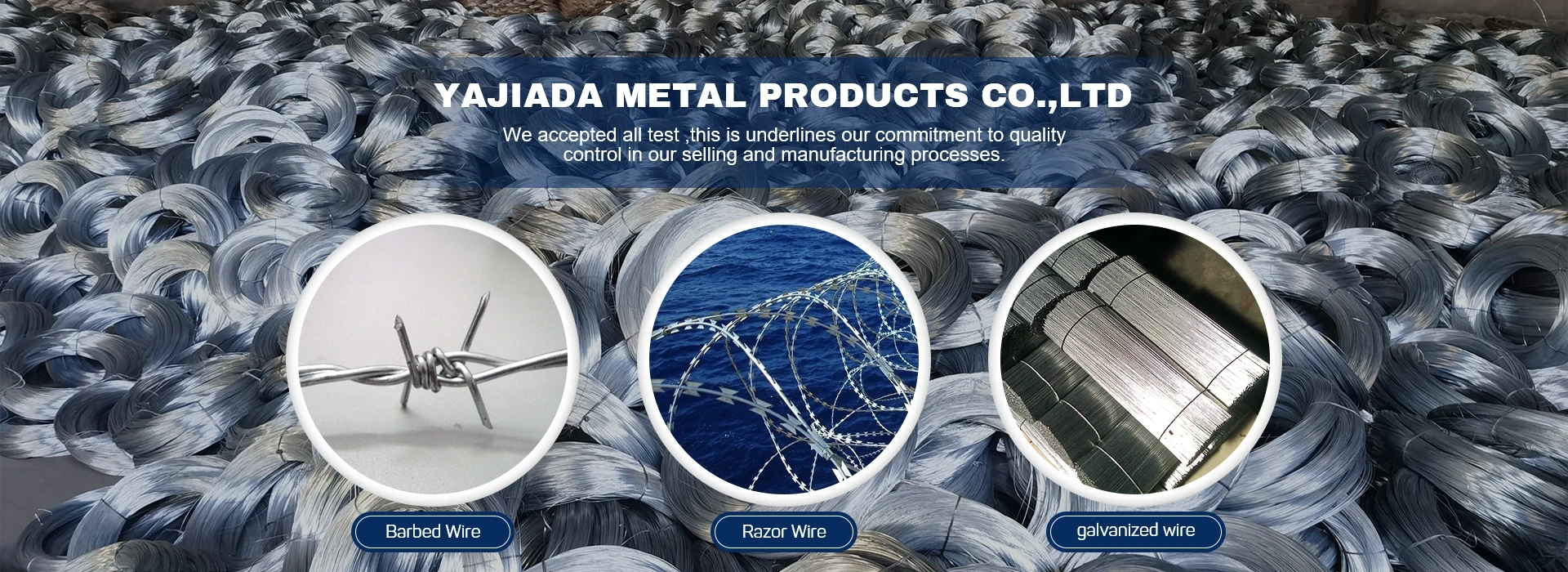
10 gauge galvanized wire is a carbon steel wire coated with a protective layer of zinc. Its primary function is to provide corrosion resistance, enhancing the longevity of the steel substrate in various applications. Within the industrial chain, it serves as a critical component in construction, fencing, electrical grounding, cable armoring, and numerous manufacturing processes. The “10 gauge” designation refers to the wire’s diameter, with lower gauge numbers indicating thicker wires. This specific gauge offers a balance between strength, flexibility, and cost-effectiveness. Core performance characteristics include tensile strength, zinc coating thickness, ductility, and resistance to electrochemical corrosion. The demand for galvanized wire is directly tied to infrastructure development and the need for durable, long-lasting materials in corrosive environments. The increasing emphasis on life-cycle cost analysis is further driving adoption, as the initial investment in galvanized wire is often offset by reduced maintenance and replacement costs over the lifespan of the application. The primary industry pain points revolve around ensuring consistent zinc coating quality, maintaining mechanical properties during forming and fabrication, and addressing potential hydrogen embrittlement issues.
Material Science & Manufacturing
The base material for 10 gauge galvanized wire is typically high carbon steel, often conforming to ASTM A641 or similar standards. Key physical properties of the steel core include tensile strength (typically 80,000 – 100,000 psi), yield strength, and elongation. The steel’s composition directly impacts its ductility and weldability. The zinc coating is applied via either hot-dip galvanizing or electrogalvanizing. Hot-dip galvanizing involves immersing the steel wire in a molten zinc bath, creating a metallurgically bonded coating with excellent adhesion and thickness (typically 0.0015 – 0.003 inches). The process relies on diffusion between the zinc and steel, forming a series of zinc-iron alloy layers. Electrogalvanizing, conversely, uses an electrolytic process to deposit zinc ions onto the steel surface. This method offers better control over coating thickness and surface finish, but generally results in a thinner coating. Wire drawing is a critical manufacturing step, reducing the diameter of the steel rod to the desired 10 gauge size. This process induces work hardening, requiring annealing to restore ductility. Annealing parameters (temperature, time, cooling rate) are meticulously controlled to optimize mechanical properties without compromising corrosion resistance. Post-galvanizing, passivation treatments, such as chromate conversion coatings, are often applied to enhance corrosion protection further. Quality control involves rigorous testing of zinc coating thickness, adhesion, and uniformity, as well as mechanical testing of the wire.
Performance & Engineering
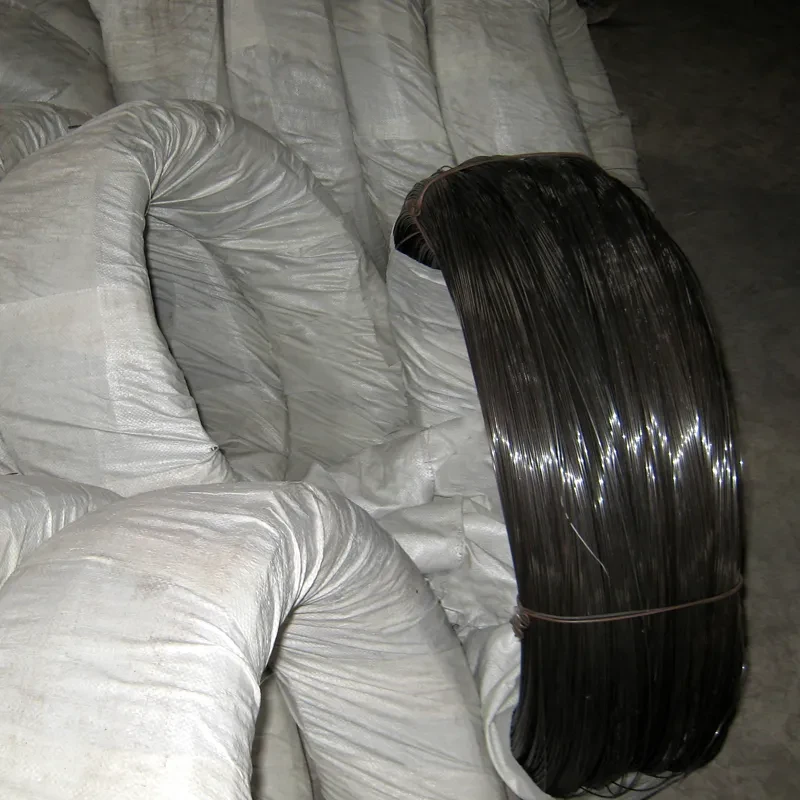
The performance of 10 gauge galvanized wire is dictated by its ability to withstand tensile loads, resist corrosion in specified environments, and maintain its mechanical integrity over time. Force analysis during application must consider factors such as static loads, dynamic loads (vibration, impact), and bending stresses. The yield strength of the wire determines its resistance to permanent deformation, while the tensile strength dictates its ultimate breaking point. Environmental resistance is primarily governed by the zinc coating’s protective action. Zinc corrodes preferentially to the steel, acting as a sacrificial anode. However, the rate of zinc corrosion depends on environmental factors such as humidity, temperature, salinity, and the presence of pollutants (sulfur dioxide, chlorides). Compliance requirements vary depending on the application. For electrical grounding, the wire must meet standards like UL 467 or IEC 61059. For fencing applications, standards like ASTM F641 may apply, specifying requirements for coating thickness and adhesion. In cable armoring, the wire must provide adequate mechanical protection against crushing, impact, and abrasion. Finite element analysis (FEA) is often used to model the stress distribution in the wire under various loading conditions, optimizing wire gauge and material selection for specific applications. Hydrogen embrittlement, a potential failure mechanism, arises from the interaction of atomic hydrogen (generated during corrosion) with the steel lattice, reducing ductility and increasing susceptibility to cracking. Mitigation strategies include using low-hydrogen plating processes and applying post-treatment coatings.
Technical Specifications
| Parameter | Unit | Typical Value (ASTM A641) | Testing Standard |
|---|---|---|---|
| Nominal Diameter | inches | 0.1046 | ASTM E283 |
| Tensile Strength | psi | 80,000 - 100,000 | ASTM A641 |
| Yield Strength | psi | 60,000 - 80,000 | ASTM A641 |
| Elongation | % | 10 - 15 | ASTM A641 |
| Zinc Coating Thickness (Hot-Dip) | μm | 38 - 76 (1.5 - 3.0 mils) | ASTM A123 |
| Zinc Coating Uniformity | % | ≥95 | ASTM A780 |
Failure Mode & Maintenance
Common failure modes for 10 gauge galvanized wire include corrosion-induced failure, mechanical failure (fatigue cracking, tensile overload), and hydrogen embrittlement. Uniform corrosion occurs when the zinc coating is consumed at a relatively even rate across the surface. Localized corrosion, such as pitting corrosion and crevice corrosion, can occur in the presence of chlorides or other aggressive ions, accelerating the degradation process. Fatigue cracking can develop under cyclic loading conditions, particularly at points of stress concentration (e.g., bends, kinks). Tensile overload occurs when the applied load exceeds the wire’s tensile strength, resulting in fracture. Hydrogen embrittlement, as previously mentioned, reduces ductility and increases the risk of cracking. Maintenance strategies focus on preventative measures and early detection of corrosion. Regular inspection of the wire for signs of corrosion (rust, white rust, pitting) is crucial. Applying protective coatings (e.g., paint, epoxy) can further enhance corrosion resistance, particularly in harsh environments. Cleaning the wire to remove dirt, grease, and other contaminants can help prevent localized corrosion. For applications involving bending or forming, minimizing sharp bends and avoiding excessive stress concentrations is essential. If corrosion is detected, the affected section of wire should be replaced promptly to prevent further damage. The lifespan of galvanized wire can be extended through proper maintenance and the use of appropriate corrosion inhibitors.
Industry FAQ
Q: What is the difference between hot-dip galvanizing and electrogalvanizing, and which is preferable for 10 gauge wire used in outdoor fencing?
A: Hot-dip galvanizing provides a thicker, more robust zinc coating and superior corrosion resistance due to the metallurgical bond formed with the steel. Electrogalvanizing yields a smoother, more uniform coating but is generally thinner. For outdoor fencing, hot-dip galvanizing is highly preferable as it offers significantly longer service life in corrosive environments. The thicker coating provides greater sacrificial protection to the steel substrate.
Q: How does the carbon content in the steel core affect the galvanized wire's performance?
A: Higher carbon content increases the steel’s strength and hardness but reduces its ductility and weldability. This can make the wire more brittle and susceptible to cracking, particularly during forming operations. Lower carbon content enhances ductility but reduces strength. The optimal carbon content depends on the intended application. Typically, a medium-carbon steel is used for 10 gauge galvanized wire to balance strength and ductility.
Q: What is “white rust” and how can it be prevented on newly galvanized wire?
A: White rust is a basic zinc carbonate formed when galvanized surfaces are exposed to moisture and carbon dioxide. It’s a cosmetic issue initially, but if left unchecked, it can accelerate corrosion. Prevention involves storing the wire in a dry, well-ventilated area, avoiding direct contact with moisture, and potentially applying a temporary protective coating (e.g., a light oil film) during storage and transport.
Q: Is there a risk of hydrogen embrittlement when using 10 gauge galvanized wire in high-strength bolted connections?
A: Yes, hydrogen embrittlement is a concern in high-strength bolted connections, particularly with high-strength steel bolts and galvanized wire. The pickling process used to clean the steel before galvanizing can introduce hydrogen into the metal. This hydrogen can diffuse into the steel and reduce its ductility, leading to brittle failure. Using appropriately coated bolts and avoiding excessive tightening torque can mitigate this risk.
Q: What are the limitations of relying solely on visual inspection for assessing the corrosion resistance of galvanized wire?
A: Visual inspection can only detect surface corrosion. It cannot assess the remaining zinc coating thickness or identify hidden corrosion beneath protective layers. Non-destructive testing methods, such as magnetic thickness testing or eddy current testing, provide a more accurate assessment of the coating’s integrity and remaining lifespan.
Conclusion
10 gauge galvanized wire represents a cost-effective and reliable solution for applications requiring corrosion resistance and moderate tensile strength. The manufacturing process, involving steel selection, wire drawing, and zinc coating, demands precise control to ensure optimal performance. Understanding the potential failure modes, such as corrosion, fatigue, and hydrogen embrittlement, is critical for selecting the appropriate wire gauge and implementing preventative maintenance strategies. Careful consideration of environmental factors, compliance requirements, and engineering specifications is essential for maximizing the lifespan and reliability of galvanized wire installations.
The future of galvanized wire technology will likely focus on developing more environmentally friendly galvanizing processes, improving coating uniformity and adhesion, and creating advanced protective coatings to enhance corrosion resistance. Continued research into hydrogen embrittlement mitigation and the use of high-strength steel substrates will further expand the applications of this versatile material. Life-cycle cost analysis will remain a driving force, emphasizing the long-term economic benefits of investing in durable, high-quality galvanized wire.