



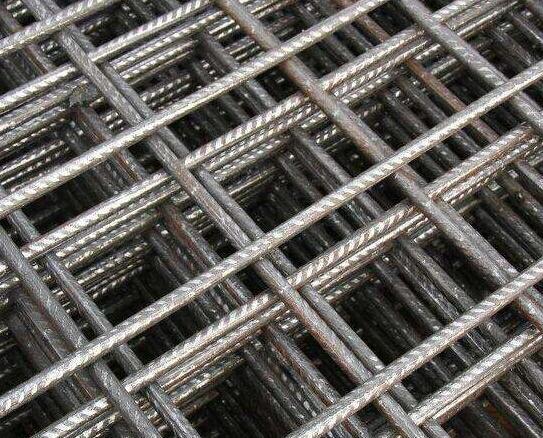
Introduction
10 gauge galvanized iron (GI) wire is a cold-formed steel wire with a zinc coating applied for corrosion resistance. Its technical position within the industry chain lies as a fundamental building block in construction, agriculture, manufacturing, and various industrial applications requiring tensile strength, formability, and weather resistance. The wire’s gauge (diameter) of 10, corresponding to a diameter of approximately 2.588 mm, defines its mechanical properties and load-bearing capacity. Core performance characteristics include tensile strength, yield strength, elongation, zinc coating thickness, and adherence to relevant industry standards. A significant industry pain point centers around maintaining consistent zinc coating quality to prevent premature corrosion, especially in harsh environments. Another key challenge involves ensuring dimensional accuracy and mechanical property consistency across large production runs, directly impacting downstream fabrication processes.
Material Science & Manufacturing
The primary raw material for 10 gauge GI wire is low-carbon steel, typically containing 0.05% to 0.15% carbon. The steel’s microstructure influences its ductility and weldability. Other alloying elements, such as manganese (0.30-0.60%) and silicon (0.05-0.30%), are added to improve strength and processability. The zinc coating is applied through either hot-dip galvanizing or electro-galvanizing. Hot-dip galvanizing involves immersing the steel wire in a molten zinc bath, creating a metallurgical bond and a thicker coating, providing superior corrosion resistance. The process parameters – zinc bath temperature (around 450°C), immersion time, and cooling rate – are critical for coating thickness and uniformity. Electro-galvanizing uses an electrolytic process, offering more precise control over coating thickness but generally resulting in a thinner coating. Wire drawing, a cold-forming process, reduces the steel’s diameter to the specified 10 gauge. Key parameters during wire drawing include die angle, reduction ratio, and lubrication to minimize friction and prevent breakage. Annealing, a heat treatment process, is often applied after wire drawing to restore ductility and relieve internal stresses. Quality control throughout manufacturing involves monitoring steel composition, wire diameter, zinc coating thickness (measured using X-ray fluorescence), and mechanical properties through tensile testing.
Performance & Engineering
The performance of 10 gauge GI wire is fundamentally governed by its tensile strength, yield strength, and elongation. Tensile strength, typically ranging from 330-400 MPa, indicates the wire’s resistance to breaking under tension. Yield strength (around 200-250 MPa) determines the load at which permanent deformation begins. Elongation (typically 15-25%) reflects the wire’s ductility and ability to withstand deformation without fracturing. Corrosion resistance is directly related to the zinc coating thickness. The zinc acts as a sacrificial anode, protecting the underlying steel from corrosion even if the coating is scratched. Environmental resistance is further enhanced by the formation of a protective zinc carbonate layer in atmospheric conditions. Engineering applications often require calculating the wire’s load-bearing capacity based on applied forces and safety factors. Force analysis involves considering tensile stress, shear stress, and bending moments. Compliance requirements vary depending on the application and region, often adhering to standards like ASTM A641 (for zinc-coated steel wire) and EN 10244-2 (hot-dip galvanized steel wire). Fatigue analysis is crucial for applications involving cyclic loading, predicting the wire's lifespan under repeated stress cycles.
Technical Specifications
| Parameter | Units | Typical Value (10 Gauge GI Wire) | Testing Standard |
|---|---|---|---|
| Diameter | mm | 2.588 | ASTM A641 / ISO 9444 |
| Tensile Strength | MPa | 350-400 | ASTM A641 / EN 10244-2 |
| Yield Strength | MPa | 220-260 | ASTM A641 / EN 10244-2 |
| Elongation | % | 18-22 | ASTM A641 / EN 10244-2 |
| Zinc Coating Thickness (Hot-Dip) | µm | 55-85 | ASTM A641 / ISO 9444 |
| Zinc Coating Thickness (Electro-Galvanized) | µm | 5-25 | ASTM B826 / ISO 9444 |
Failure Mode & Maintenance
Common failure modes for 10 gauge GI wire include corrosion, fatigue cracking, and tensile overload. Corrosion occurs when the zinc coating is depleted or damaged, exposing the steel to the environment. Red rust formation is a clear indicator of corrosion. Fatigue cracking arises from repeated stress cycles, particularly at stress concentrators like bends or sharp edges. This is more prevalent in applications involving vibration or dynamic loading. Tensile overload occurs when the applied load exceeds the wire’s tensile strength, leading to fracture. Hydrogen embrittlement, a less common but critical failure mode, can occur during the galvanizing process if the steel contains imperfections or is exposed to excessive hydrogen. Maintenance primarily focuses on preventative measures. Regular inspection for corrosion, cracks, and deformation is crucial. Applying a protective coating (e.g., paint or epoxy) over the galvanized surface can significantly extend the wire’s lifespan, especially in harsh environments. Damaged coatings should be repaired promptly to prevent corrosion from spreading. For applications susceptible to fatigue, periodic stress relief and replacement of worn components are recommended. Proper storage conditions, protecting the wire from moisture and corrosive elements, are also essential.
Industry FAQ
Q: What is the difference between hot-dip galvanizing and electro-galvanizing, and which is better for 10 gauge GI wire in a marine environment?
A: Hot-dip galvanizing provides a thicker zinc coating with a metallurgical bond to the steel, resulting in superior corrosion resistance. Electro-galvanizing offers a thinner, smoother coating and is often more aesthetically pleasing. For a marine environment, hot-dip galvanizing is generally preferred due to its thicker coating and improved barrier protection against saltwater corrosion. The increased zinc thickness offers a longer sacrificial protection period.
Q: How does the carbon content of the steel affect the formability and weldability of 10 gauge GI wire?
A: Higher carbon content increases the steel’s strength and hardness, but reduces its ductility and weldability. Low-carbon steel, typically used for GI wire, provides a good balance between strength, formability, and weldability. Higher carbon steel would be more difficult to draw into wire without cracking and would be less suitable for welding operations.
Q: What are the implications of exceeding the recommended bending radius for 10 gauge GI wire?
A: Exceeding the recommended bending radius can induce stress concentrations, leading to premature fatigue cracking or even fracture. The tighter the bend, the greater the stress. Adhering to the manufacturer's recommended bending radius is crucial for maintaining the wire’s mechanical integrity and preventing failure.
Q: How can I verify the zinc coating thickness of a 10 gauge GI wire shipment?
A: The zinc coating thickness is typically verified using non-destructive testing methods, such as X-ray fluorescence (XRF) or magnetic induction. XRF provides a rapid and accurate measurement of the coating thickness. Destructive testing methods, such as chemical dissolution, can also be used, but are less practical for quality control of incoming shipments.
Q: What impact does annealing have on the mechanical properties of 10 gauge GI wire after the wire drawing process?
A: Annealing after wire drawing restores ductility, reduces internal stresses introduced during the cold-forming process, and improves the wire’s overall toughness. Without annealing, the wire would be brittle and prone to cracking during subsequent forming or bending operations. Annealing optimizes the balance between strength and ductility.
Conclusion
10 gauge GI wire remains a vital component across numerous industries due to its combination of strength, corrosion resistance, and cost-effectiveness. Understanding the interplay between material science, manufacturing processes, and performance characteristics is paramount for selecting the appropriate wire grade and ensuring long-term reliability. The zinc coating, meticulously applied and monitored, is the key to protecting the underlying steel from environmental degradation, maximizing the service life of the wire and the structures it supports.
Future advancements in GI wire technology are likely to focus on optimizing zinc alloy coatings for enhanced corrosion resistance, developing more environmentally friendly galvanizing processes, and improving quality control techniques through advanced sensing and data analysis. Maintaining adherence to international standards and rigorous testing protocols will continue to be essential for ensuring the consistent performance and safety of 10 gauge GI wire in demanding applications.