



Introduction
10 gauge galvanized (GI) wire represents a critical component in numerous industrial and construction applications. Defined by its 2.588 mm diameter, this wire is steel that has undergone a galvanization process – coating with zinc – to provide corrosion resistance. Its position within the material supply chain is foundational; it serves as a primary building block for fencing, cable armouring, suspension systems, and various structural reinforcements. Core performance characteristics include tensile strength, corrosion resistance (dictated by zinc coating thickness), and ductility. Understanding these properties, and the factors affecting them, is essential for ensuring long-term structural integrity and minimizing lifecycle costs. The market price of 10 gauge GI wire is heavily influenced by zinc ingot prices, steel billet costs, manufacturing complexity, and demand fluctuations from construction, agriculture, and energy sectors. This guide provides a comprehensive technical overview of 10 gauge GI wire, addressing material science, manufacturing processes, performance parameters, failure modes, and relevant industry standards.
Material Science & Manufacturing
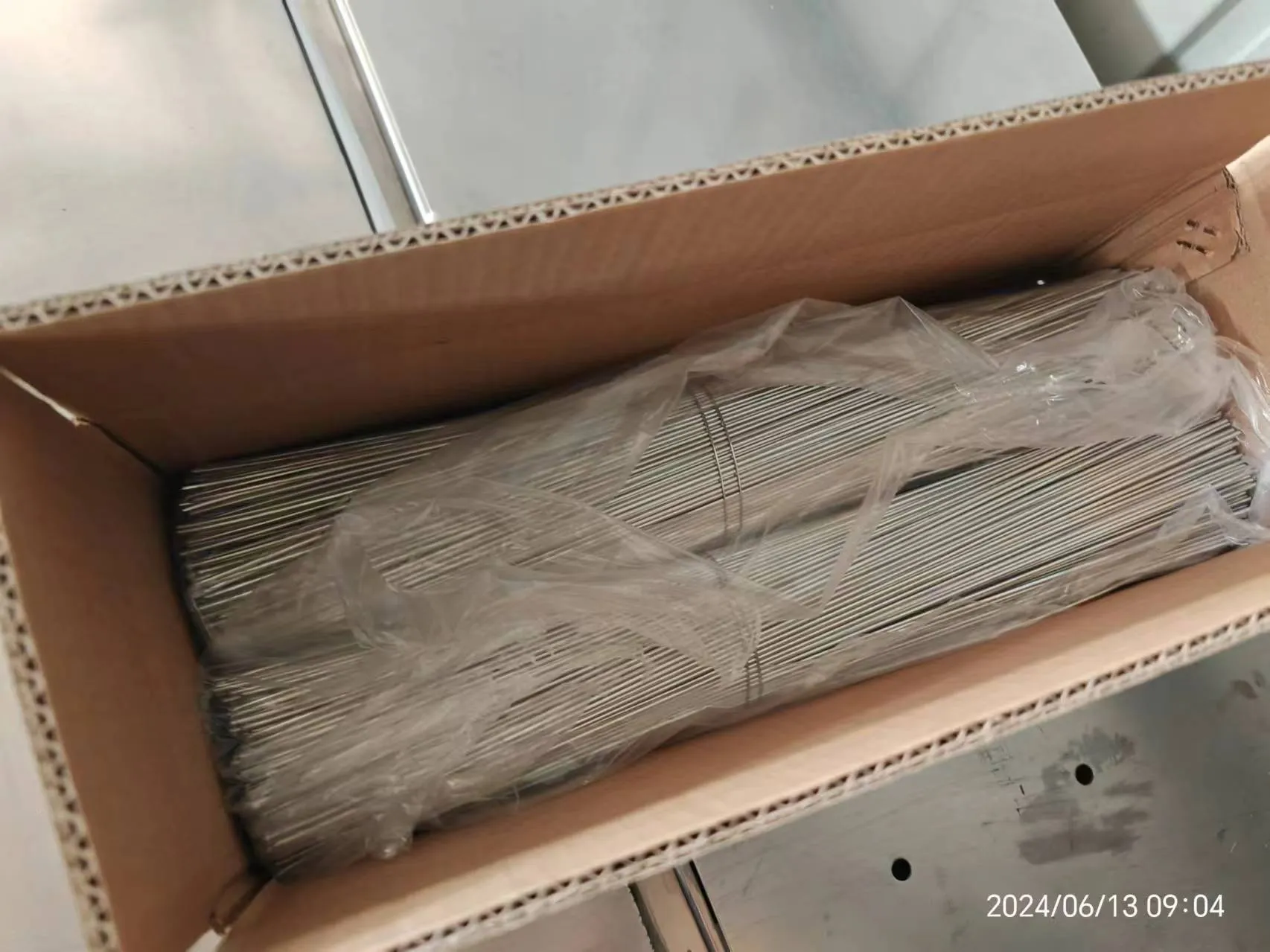
The base material for 10 gauge GI wire is typically carbon steel, specifically SAE 1008 or similar low-carbon formulations. These steels exhibit sufficient ductility for drawing into wire and possess a weldable composition. The core physical property is tensile strength, typically ranging from 330 to 400 MPa for standard GI wire. Chemical composition, controlled during steelmaking, directly impacts weldability and formability. The galvanization process, the defining characteristic, involves immersing the steel wire in a molten zinc bath. This creates a metallurgical bond, forming layers of zinc-iron alloy and a final outer layer of pure zinc. Several galvanization methods are employed: hot-dip galvanizing is the most common, providing a thick, durable coating. Electro-galvanizing, offering a thinner, more uniform coating, is used for applications requiring precise dimensions. Post-galvanization, the wire may undergo passivation treatments to enhance corrosion resistance. Key parameters in manufacturing include wire drawing speed (affecting grain structure and tensile strength), zinc bath temperature (influencing coating thickness and adhesion), and cooling rate (controlling the formation of zinc-iron alloy layers). Controlling these parameters is critical to achieving consistent mechanical properties and corrosion protection.
Performance & Engineering
The performance of 10 gauge GI wire is governed by its mechanical and corrosion resistance properties. Tensile strength dictates the load-bearing capacity; engineers calculate this based on safety factors and anticipated stress levels in the application (e.g., fence wire supporting wind loads). Galvanic protection is paramount; zinc corrodes preferentially to the steel, protecting the underlying base metal. This sacrificial protection extends the service life, particularly in harsh environments. Environmental resistance is influenced by the zinc coating thickness – thicker coatings provide longer protection. Exposure to chlorides (marine environments) and industrial pollutants accelerates corrosion, requiring higher zinc coating levels or supplementary protective coatings. Furthermore, the wire’s ductility is crucial for applications involving bending, forming, or twisting. Fatigue resistance must be considered in applications involving cyclical loading, such as suspension cables. Engineering calculations often incorporate finite element analysis (FEA) to model stress distribution and predict long-term performance. Compliance with industry standards (detailed in the footer) is essential to ensure the wire meets minimum performance requirements for specific applications.
Technical Specifications
| Parameter | Unit | Typical Value | Test Standard |
|---|---|---|---|
| Diameter | mm | 2.588 | ASTM A641 |
| Tensile Strength | MPa | 370-400 | ASTM A641 |
| Zinc Coating Weight | g/m² | 60-275 | ASTM B693 |
| Elongation | % | 12-18 | ASTM A641 |
| Hydrogen Embrittlement | ppm | ≤ 3 | ASTM A641 |
| Adhesion of Coating | Rating | 8-10 | ASTM A641 |
Failure Mode & Maintenance
Common failure modes for 10 gauge GI wire include corrosion-induced failure, mechanical failure (fracture due to overstress), and hydrogen embrittlement. Uniform corrosion results from gradual zinc depletion, leading to steel oxidation. Accelerated corrosion occurs in the presence of chlorides, leading to pitting corrosion. Mechanical failure can occur due to fatigue cracking (repeated stress cycles), impact damage, or exceeding the tensile strength limit. Hydrogen embrittlement arises from hydrogen atoms diffusing into the steel during galvanization, reducing ductility and increasing susceptibility to cracking. Maintenance strategies focus on preventative measures. Regularly inspecting the wire for signs of corrosion (rust spots, white rust) is crucial. Applying protective coatings (paint, epoxy) over the galvanized surface extends its lifespan. In corrosive environments, consider using thicker zinc coatings or cathodic protection systems. For mechanical failures, replace damaged wire segments promptly. Avoid sharp bending or excessive deformation, as this can induce stress concentrations and accelerate fatigue cracking. Periodically cleaning the wire to remove dirt and debris helps maintain its protective coating. Proper storage – keeping wire dry and protected from the elements – is also essential.
Industry FAQ
Q: What is the impact of zinc alloy composition on the corrosion resistance of GI wire?
A: The composition of the zinc-iron alloy layers formed during galvanization significantly influences corrosion resistance. A well-formed alloy layer provides a barrier against zinc diffusion and improves adhesion. The ratio of zinc to iron affects the corrosion rate; optimizing this ratio through controlled cooling processes is crucial for maximizing protection. Too much iron can lead to faster corrosion of the alloy layer.
Q: How does the wire drawing process affect the mechanical properties of 10 gauge GI wire?
A: Wire drawing introduces strain hardening, increasing the tensile strength but decreasing ductility. The amount of cold work (reduction in diameter) during drawing directly impacts these properties. Annealing after drawing can restore ductility but may reduce strength. Controlling the drawing speed and die lubrication minimizes defects and ensures a consistent microstructure.
Q: What are the differences between hot-dip galvanizing and electro-galvanizing in terms of coating characteristics?
A: Hot-dip galvanizing produces a thicker, more robust coating with excellent corrosion resistance, but the coating may be less uniform. Electro-galvanizing yields a thinner, more uniform coating with precise thickness control, but it generally offers lower corrosion protection. The choice depends on the application’s requirements.
Q: How can hydrogen embrittlement be mitigated during the galvanization process?
A: Hydrogen embrittlement can be minimized by controlling the zinc bath chemistry (low impurity levels), using inhibitors to reduce hydrogen absorption, and employing post-galvanization baking treatments to drive out absorbed hydrogen. Proper pre-treatment of the steel wire, including cleaning and pickling, is also essential.
Q: What are the cost considerations when selecting different zinc coating weights for 10 gauge GI wire?
A: Higher zinc coating weights increase the cost of the wire due to the increased zinc consumption. However, they also extend the service life and reduce maintenance requirements, potentially lowering lifecycle costs. A cost-benefit analysis, considering the operating environment and anticipated service life, is crucial for selecting the optimal coating weight.
Conclusion
10 gauge GI wire serves as a vital material in diverse industries due to its robust combination of tensile strength and corrosion resistance. Understanding the interplay between material science principles, manufacturing processes, and performance characteristics is paramount for selecting the appropriate wire grade for a given application. The galvanization process, while providing excellent protection, introduces potential issues like hydrogen embrittlement that require careful control. By adhering to relevant industry standards and implementing proactive maintenance strategies, the lifespan and reliability of 10 gauge GI wire installations can be significantly enhanced.
Future developments in GI wire technology focus on enhancing corrosion resistance through novel coating materials (e.g., zinc-aluminum alloys) and optimizing the galvanization process for improved coating uniformity and reduced environmental impact. Further research into the long-term effects of various environmental factors on GI wire performance will enable more accurate lifecycle cost predictions and informed material selection.