



Introduction
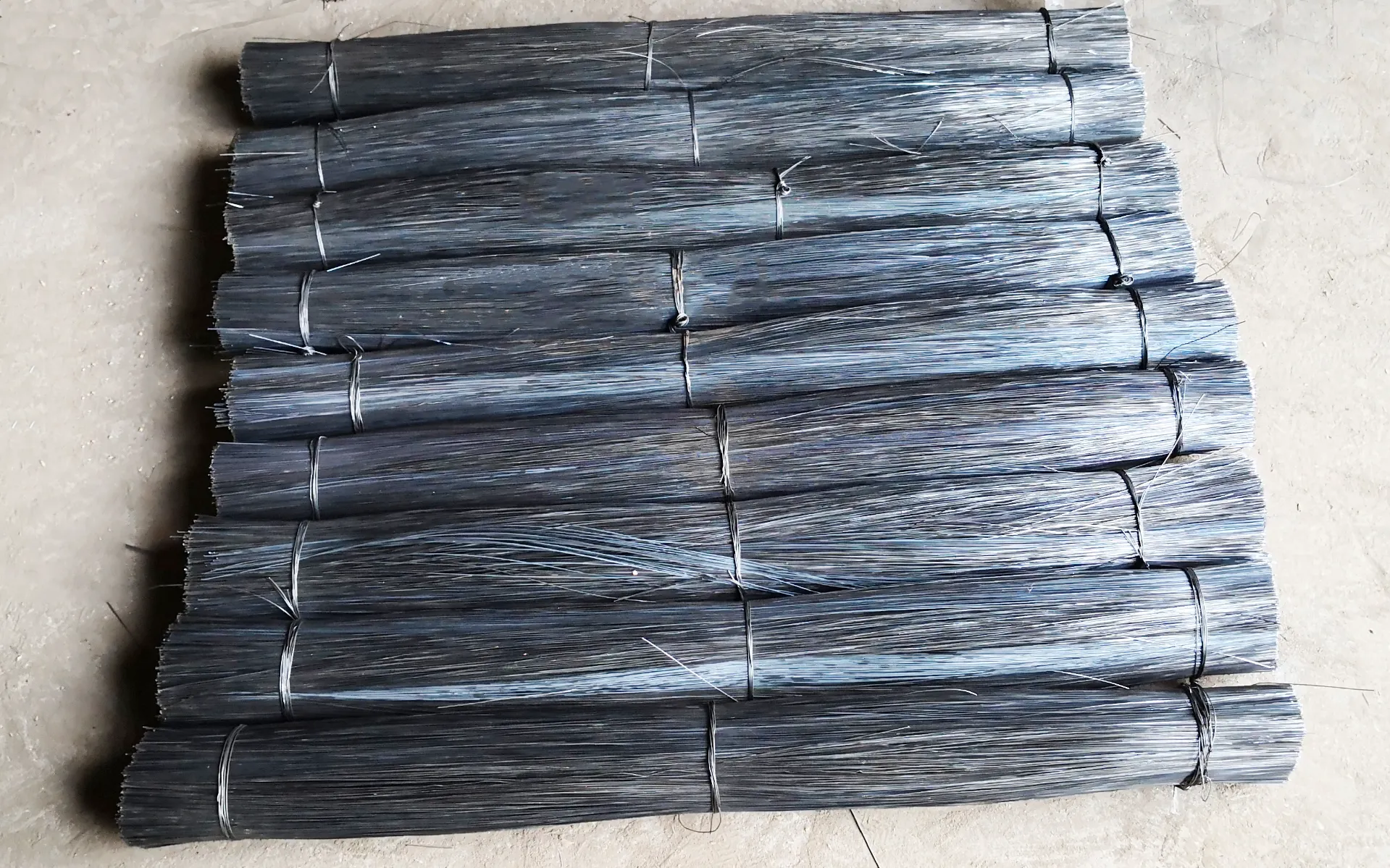
11 gauge galvanized wire represents a crucial component in numerous industrial and commercial applications, serving as a versatile fastening, binding, and structural support material. Defined by its diameter of approximately 2.304 mm (0.0907 inches), this wire leverages the corrosion resistance afforded by a zinc coating applied to a steel core. Its position within the industry chain lies between steel production and downstream fabrication – agriculture, construction, telecommunications, and manufacturing. Core performance characteristics include tensile strength, ductility, formability, and long-term resistance to environmental degradation, making it a preferred material over uncoated steel in challenging environments. The selection of 11 gauge is often a balance between cost, strength requirements, and desired service life, positioning it as a frequently specified wire diameter for medium-duty applications.
Material Science & Manufacturing
The primary raw material for 11 gauge galvanized wire is typically low-carbon steel, possessing a chemical composition designed to maximize ductility and weldability. Common grades include SAE 1008 and 1010, characterized by 0.08-0.10% and 0.10-0.20% carbon content respectively. The steel undergoes cold drawing through a series of dies to achieve the desired 2.304 mm diameter. Crucially, surface preparation is paramount prior to galvanization. This involves pickling with hydrochloric or sulfuric acid to remove mill scale, followed by rinsing and fluxing, often employing zinc ammonium chloride. Galvanization is commonly achieved via the hot-dip process, immersing the steel wire into a molten zinc bath (typically 98% pure zinc) maintained at approximately 450°C (842°F). The wire's speed through the bath and the bath chemistry (aluminum content being particularly important for coating adherence) control the zinc coating thickness. Coating thickness is typically between 50-60 μm, impacting corrosion resistance. Post-galvanization, the wire is cooled, passivated to prevent white rust formation, and spooled for shipment. Parameters like drawing speed, reduction ratio per die, and annealing temperature significantly influence the final mechanical properties. Improper annealing can lead to work hardening and reduced ductility.
Performance & Engineering
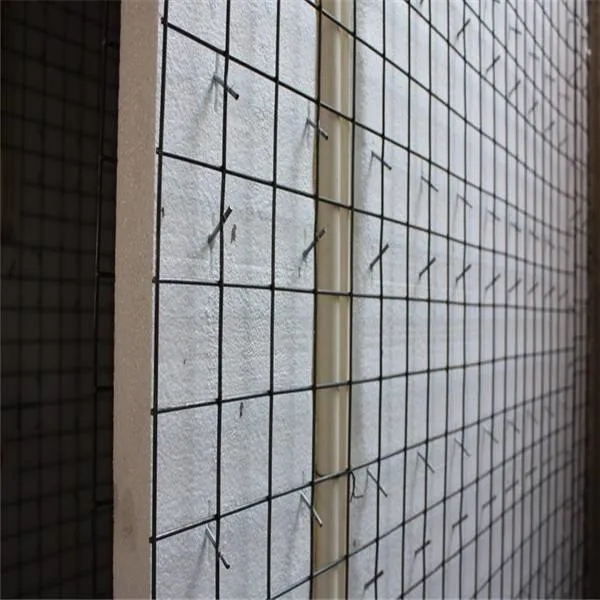
The performance of 11 gauge galvanized wire is governed by a complex interplay of mechanical and environmental factors. Tensile strength, typically ranging from 330-400 MPa, dictates the load-bearing capacity. Ductility, measured by elongation at break (approximately 10-15%), determines the wire’s ability to deform before fracture. The zinc coating provides sacrificial protection, corroding preferentially to the steel substrate. The rate of zinc corrosion is influenced by environmental factors, including humidity, temperature, and the presence of corrosive agents like chlorides and sulfates. Engineering applications often require consideration of fatigue strength, particularly in applications involving cyclic loading. Galvanized coatings can exhibit brittle fracture under sustained stress, initiating corrosion at crack tips. Compliance standards, such as ASTM A641, define coating weight classifications, impacting the expected service life in specific environments. Furthermore, the wire’s formability – its ability to be bent, twisted, and shaped without fracture – is critical in applications like wire mesh fabrication and fencing. Proper material selection and coating quality are essential for meeting stringent performance requirements and ensuring long-term structural integrity. The electrical conductivity of galvanized wire also plays a role in certain applications, like grounding wires.
Technical Specifications
| Parameter | Unit | Typical Value | Testing Standard |
|---|---|---|---|
| Diameter | mm | 2.304 | ASTM A641 |
| Tensile Strength | MPa | 350-400 | ASTM A641 |
| Elongation at Break | % | 12-15 | ASTM A641 |
| Zinc Coating Weight | g/m² | 50-60 | ASTM A641 / ISO 9612 |
| Zinc Coating Thickness | μm | 5-8 | ASTM A641 / ISO 9612 |
| Formability (Bend Test) | Degrees | 180 | ASTM A641 |
Failure Mode & Maintenance
Several failure modes are common in 11 gauge galvanized wire applications. Uniform corrosion, where the zinc coating corrodes evenly over time, is the most prevalent. However, localized corrosion, such as pitting corrosion (initiated by chlorides) and crevice corrosion (occurring in shielded areas), can accelerate failure. Hydrogen embrittlement, a phenomenon where hydrogen atoms diffuse into the steel lattice during the galvanization process, can lead to delayed cracking under stress. Mechanical damage, including bending fatigue, abrasion, and cutting, can compromise the coating and expose the underlying steel. White rust (zinc hydroxide) formation indicates early stage corrosion and often occurs during storage or transport in humid environments. Maintenance strategies include regular inspection for signs of corrosion or mechanical damage. Re-galvanization of localized areas can extend service life, but is often impractical. Protective coatings, such as paints or polymers, can be applied over the galvanized wire to enhance corrosion resistance. For applications exposed to harsh environments, considering higher zinc coating weights or alternative corrosion protection methods (e.g., epoxy coatings) is recommended. Proper storage practices – keeping the wire dry and protected from the elements – are critical for preventing premature degradation.
Industry FAQ
Q: What is the primary difference between Class 1 and Class 3 galvanization according to ASTM A641, and how does this affect the application of 11 gauge wire?
A: Class 1 galvanization, with a coating weight of approximately 30 g/m², provides moderate corrosion protection suitable for indoor or dry environments. Class 3 galvanization, at around 60 g/m², offers significantly enhanced protection, making it appropriate for outdoor applications exposed to harsh weather conditions, salt spray, or industrial pollutants. For 11 gauge wire used in fencing, agricultural structures, or coastal installations, Class 3 is strongly recommended to maximize longevity and minimize maintenance.
Q: How does the presence of chlorides in the environment impact the corrosion rate of galvanized 11 gauge wire, and what mitigation strategies are available?
A: Chlorides, commonly found in marine environments and de-icing salts, accelerate corrosion by penetrating the zinc coating and initiating pitting corrosion. The chloride ions break down the protective passive layer formed on the zinc surface. Mitigation strategies include utilizing thicker zinc coatings (Class 3 or higher), applying a post-galvanization protective coating (paint, epoxy), and employing cathodic protection techniques in severe environments.
Q: What is hydrogen embrittlement, and how can its occurrence be minimized during the galvanization process of 11 gauge wire?
A: Hydrogen embrittlement is the diffusion of hydrogen atoms into the steel lattice during the acid pickling and galvanizing processes. This hydrogen reduces the ductility and load-bearing capacity of the steel, potentially leading to delayed cracking. Minimization strategies include using inhibitors in the pickling bath, controlling the acid concentration and temperature, and employing a post-galvanization baking process to drive out the absorbed hydrogen.
Q: Can 11 gauge galvanized wire be welded, and if so, what precautions should be taken to maintain corrosion resistance at the weld?
A: While 11 gauge galvanized wire can be welded, the welding process destroys the zinc coating in the heat-affected zone, leaving the steel susceptible to corrosion. To mitigate this, welding should be minimized if possible. If welding is necessary, using galvanized welding rods or applying a zinc-rich paint to the weld area immediately after welding is crucial. Post-weld galvanization of the affected zone is also an option, though it can be challenging.
Q: What are the key differences between hot-dip galvanization and electrogalvanization, and which process is generally preferred for 11 gauge wire used in structural applications?
A: Hot-dip galvanization involves immersing the steel in molten zinc, resulting in a thicker, more durable coating with excellent adhesion. Electrogalvanization uses an electrolytic process to deposit a thinner coating. For structural applications requiring high corrosion resistance and robust mechanical properties, hot-dip galvanization is overwhelmingly preferred for 11 gauge wire. While electrogalvanization offers a smoother finish, it generally provides less corrosion protection.
Conclusion
11 gauge galvanized wire remains a workhorse material across diverse industries, leveraging the synergistic benefits of steel’s strength and zinc’s corrosion protection. Its manufacturing process, from steel selection and cold drawing to surface preparation and hot-dip galvanization, requires meticulous control to ensure consistent quality and performance. Understanding its mechanical properties, potential failure modes, and applicable industry standards (ASTM A641, ISO 9612) is crucial for engineers and procurement professionals.
The long-term viability of 11 gauge galvanized wire hinges on diligent material selection, proper application considering the environmental context, and routine inspection for signs of degradation. Future advancements may focus on optimizing zinc alloy compositions, exploring alternative protective coatings, and enhancing corrosion monitoring techniques to further extend service life and reduce lifecycle costs. The continued demand for a robust, cost-effective, and corrosion-resistant wire product ensures 11 gauge galvanized wire will remain a vital component in countless applications.