



Introduction
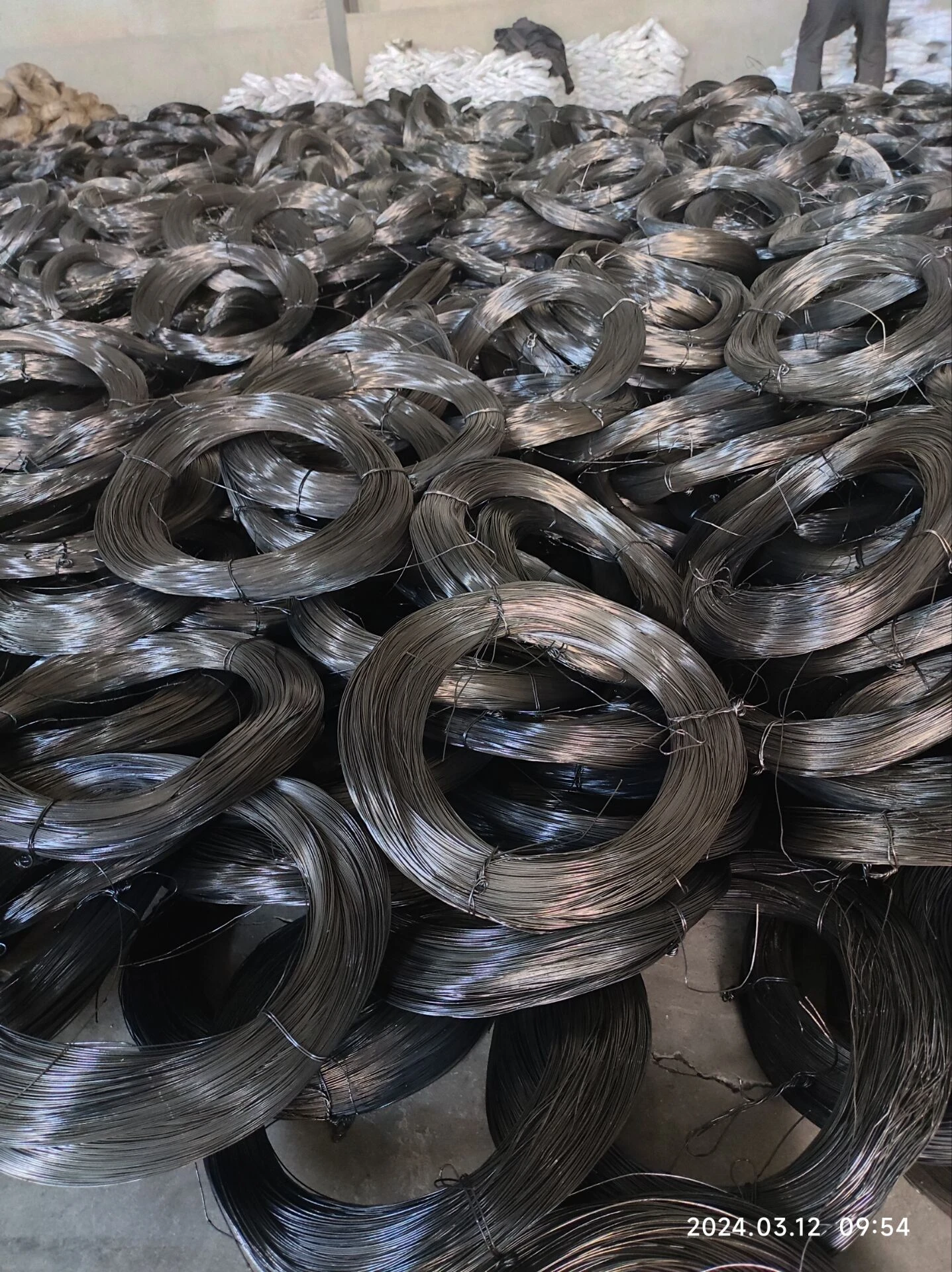
12½ gauge high tensile galvanized steel wire represents a critical component across a diverse range of industrial and agricultural applications. Positioned within the broader metallic materials supply chain, this wire serves as a foundational element in fencing systems, cable armoring, high-strength reinforcement, and various structural supports. Its core performance characteristics – tensile strength, corrosion resistance, and durability – dictate its suitability in demanding environments. Unlike lower tensile strength alternatives, the high tensile nature allows for wider spacing of support posts, reducing material costs and installation time. Galvanization, a zinc coating applied to the steel, provides a crucial barrier against corrosion, extending the service life of the wire, particularly in exposed outdoor applications. The 12½ gauge designation refers to the wire diameter, impacting its load-bearing capacity and flexibility. Understanding these inherent properties and manufacturing processes is paramount for engineers and procurement specialists ensuring optimal performance and longevity in their respective projects. A key pain point in industry is maintaining consistent galvanization quality to prevent premature corrosion and ensuring the wire meets specific tensile strength requirements for structural integrity.
Material Science & Manufacturing
The primary raw material is high-carbon steel, typically containing 0.60-0.85% carbon, selected for its balance of strength and ductility. Other alloying elements such as manganese (0.60-1.00%) and silicon (0.15-0.30%) are introduced to enhance mechanical properties and improve the galvanization process. The steel undergoes a cold drawing process, reducing its diameter from the initial billet or rod stock to the final 12½ gauge (approximately 2.64mm). This cold working increases tensile strength through strain hardening. A critical parameter is maintaining precise control over the reduction ratio during drawing to avoid internal stresses and ensure uniformity. Following cold drawing, the wire is typically annealed to relieve residual stresses and improve ductility, followed by pickling in an acid bath (often hydrochloric or sulfuric acid) to remove scale and surface impurities. The galvanization process, typically hot-dip galvanizing, involves immersing the cleaned wire in a molten zinc bath (98% purity or greater) at temperatures between 450-460°C. The steel-zinc metallurgical reaction forms a series of zinc-iron alloy layers, providing corrosion protection. The thickness of the zinc coating is carefully controlled, typically ranging from 60-80 μm, adhering to ASTM A123 standards. Cooling rates are also critical; rapid cooling can lead to uneven coating thickness and potential defects. Post-galvanization, the wire undergoes quality control checks, including coating thickness measurements, adhesion tests, and tensile strength verification.
Performance & Engineering
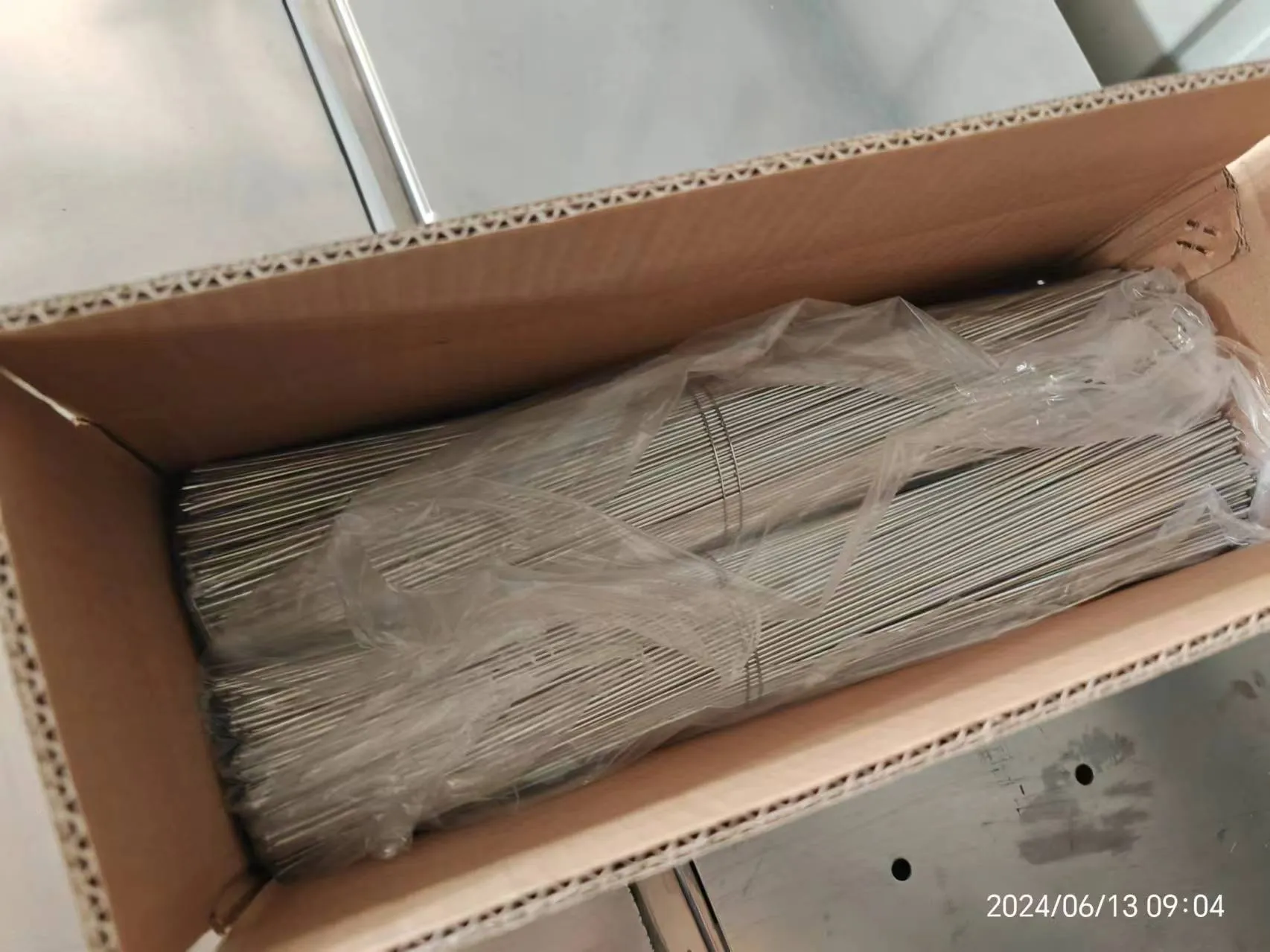
The performance of 12½ gauge high tensile galvanized wire is fundamentally governed by its mechanical properties and corrosion resistance. Tensile strength, typically exceeding 1700 MPa, dictates the load-bearing capacity and resistance to stretching under tension. This is crucial for fencing applications where wire sag must be minimized. Yield strength, generally around 1400 MPa, determines the point at which permanent deformation occurs. Elongation at break, usually between 8-12%, indicates the wire's ductility and ability to withstand impact loads. Environmental resistance is provided by the galvanized coating. The zinc layer acts as a sacrificial anode, corroding preferentially to the steel and preventing rust formation. The effectiveness of this protection diminishes over time, especially in harsh environments (e.g., saltwater exposure, acidic soils). Factors affecting corrosion rates include zinc coating thickness, temperature, humidity, and the presence of pollutants. Force analysis in applications like fencing requires careful consideration of wind loads, animal impact, and potential snow/ice accumulation. Wire spacing and post strength must be appropriately designed to withstand these forces without exceeding the wire's tensile capacity. Compliance requirements often dictate specific galvanization standards (e.g., ASTM A123, EN 10244-2) and may require periodic testing to ensure continued adherence. For cable armoring, the wire’s ability to withstand crushing and bending forces during installation and operation is critical.
Technical Specifications
| Parameter | Unit | Typical Value | Testing Standard |
|---|---|---|---|
| Wire Gauge | AWG | 12½ | ASTM A938 |
| Diameter | mm | 2.64 | ASTM A938 |
| Tensile Strength | MPa | ≥1700 | ASTM A827 |
| Yield Strength | MPa | ≥1400 | ASTM A827 |
| Elongation at Break | % | 8-12 | ASTM A827 |
| Zinc Coating Thickness | μm | 60-80 | ASTM A123 |
| Zinc Coating Weight | g/m² | 260-320 | ASTM A123 |
Failure Mode & Maintenance
Common failure modes for 12½ gauge high tensile galvanized wire include: Corrosion: Gradual degradation of the zinc coating, leading to rust formation and eventual wire failure. This is accelerated in marine environments or areas with high salt content. Fatigue Cracking: Repeated bending or flexing can initiate cracks at stress concentration points, particularly around bends or attachment points. Hydrogen Embrittlement: During the pickling and galvanizing process, hydrogen atoms can diffuse into the steel, reducing its ductility and increasing its susceptibility to cracking. Galvanic Corrosion: When the galvanized wire is in contact with dissimilar metals in a conductive environment, galvanic corrosion can occur, accelerating the corrosion of the less noble metal (typically the steel). Mechanical Damage: Cutting, abrasion, or impact damage can compromise the wire’s structural integrity. Creep: Under sustained tensile load, the wire may exhibit slow, permanent deformation over time. Maintenance involves regular visual inspections to identify areas of corrosion or damage. Damaged sections should be replaced promptly. For fencing applications, ensuring proper tensioning and minimizing bending stress will extend service life. Applying protective coatings (e.g., zinc-rich paints) to damaged areas can provide additional corrosion protection. Periodic cleaning to remove dirt and debris can also help to prevent corrosion. In applications where the wire is subject to high levels of stress, regular load testing should be conducted to monitor its performance.
Industry FAQ
Q: What is the difference between Class 1 and Class 3 galvanizing, and how does it impact the longevity of the wire?
A: Class 1 galvanizing typically refers to a lower zinc coating weight (around 260 g/m²), providing moderate corrosion protection suitable for relatively benign environments. Class 3 galvanizing, with a significantly higher zinc coating weight (around 610 g/m²), offers superior corrosion resistance and is recommended for harsh environments such as coastal areas or industrial settings. The increased zinc thickness provides a longer sacrificial barrier, extending the wire's service life, but also increasing material cost.
Q: How does the carbon content in the steel affect the wire's tensile strength and ductility?
A: Higher carbon content generally increases tensile strength but reduces ductility. A carbon content within the range of 0.60-0.85% provides a good balance between strength and ductility for high tensile wire. Excessively high carbon content can make the wire brittle and prone to cracking, while lower carbon content may result in insufficient strength.
Q: What is the role of annealing in the manufacturing process, and how does it affect the final product?
A: Annealing is a heat treatment process used to relieve internal stresses induced during cold drawing. This improves the wire's ductility, making it less susceptible to cracking and more pliable for handling. Without annealing, the wire would be excessively hard and brittle.
Q: Can 12½ gauge galvanized wire be used in direct contact with aluminum? What are the potential concerns?
A: Direct contact between galvanized steel and aluminum should be avoided. Galvanic corrosion will occur, with the aluminum corroding preferentially. This is because zinc and aluminum have a significant difference in electrochemical potential. An isolating barrier (e.g., a plastic washer or sleeve) must be used to prevent direct contact.
Q: What quality control tests are typically performed to ensure the wire meets specified tensile strength requirements?
A: Tensile strength is typically verified using a universal testing machine (UTM). A sample of the wire is subjected to a controlled tensile force until it breaks. The maximum load sustained before fracture is recorded and used to calculate the tensile strength. Testing is performed according to standards like ASTM A827.
Conclusion
12½ gauge high tensile galvanized steel wire represents a robust and versatile material choice across numerous industrial applications. Its combination of high tensile strength, corrosion resistance, and relatively low cost makes it a preferred solution for fencing, cable armoring, and structural reinforcement. However, understanding the intricacies of its material science, manufacturing processes, and potential failure modes is crucial for ensuring long-term performance and preventing premature failure.
Successful implementation requires careful consideration of environmental factors, load requirements, and proper installation techniques. Adherence to relevant industry standards, regular inspections, and proactive maintenance are essential for maximizing the service life and mitigating the risk of costly repairs or replacements. Future developments in coating technologies, such as advanced zinc-alloy coatings, may further enhance the corrosion resistance and durability of this widely used material.