



Introduction
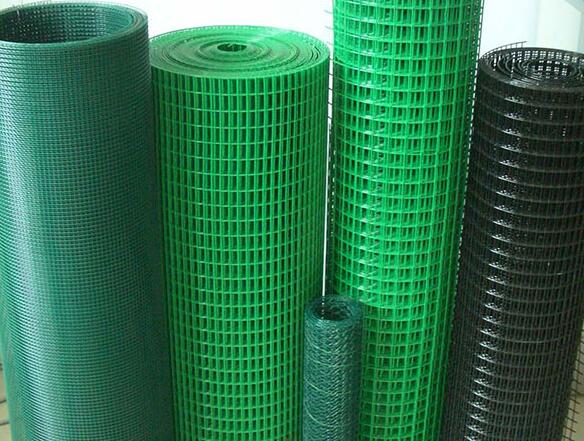
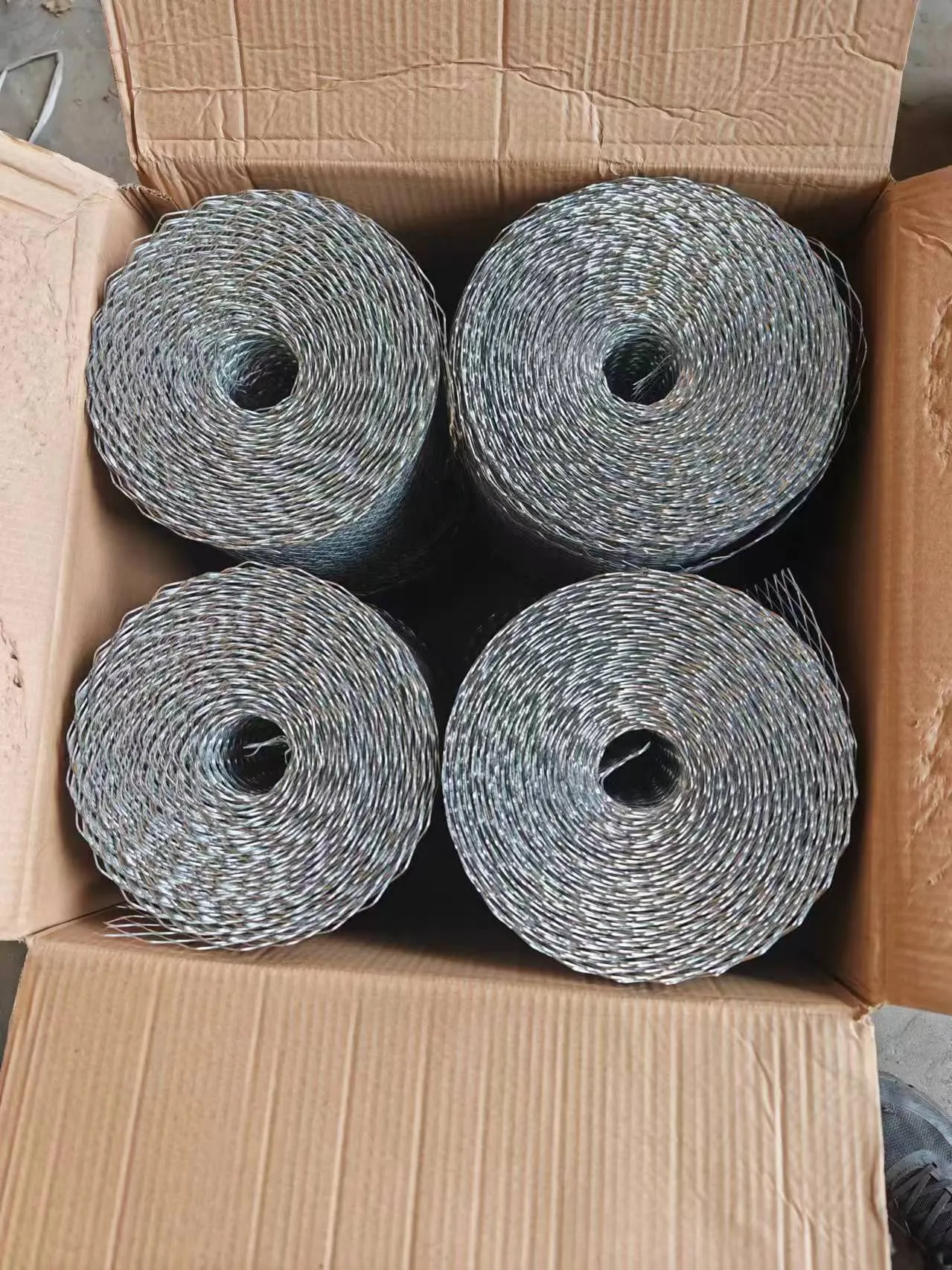
12.5 gauge galvanized wire is a carbon steel wire coated with a protective layer of zinc. Its primary application lies in providing corrosion resistance for a broad range of industrial, agricultural, and construction purposes. Positioned within the metal fabrication supply chain, it serves as a fundamental material for fencing, cable securing, binding, and various structural support applications. The gauge (diameter) of 12.5 signifies a balance between tensile strength and cost-effectiveness, making it a popular choice where substantial load-bearing capacity is not paramount, but durability is critical. Core performance characteristics include formability, tensile strength, resistance to environmental degradation, and consistent zinc coating adherence. Its economic viability coupled with robust performance establish it as a crucial component in many infrastructure and industrial projects. Understanding the intricacies of its manufacturing, properties, and potential failure modes is essential for optimal utilization and longevity in demanding service conditions.
Material Science & Manufacturing
The base material for 12.5 gauge galvanized wire is typically low-carbon steel, with a carbon content ranging from 0.05% to 0.15% by weight. This composition offers a desirable combination of ductility and strength. Other elements present in minor quantities include manganese (0.30-0.90%), phosphorus (less than 0.04%), and sulfur (less than 0.05%). The selection of these alloys influences weldability and formability. The zinc coating, applied through a hot-dip galvanization process, is the critical element conferring corrosion resistance. The manufacturing process begins with wire drawing, reducing the steel billet diameter to the desired 12.5 gauge (approximately 2.314 mm). This process induces work hardening, increasing tensile strength but reducing ductility. Annealing follows, restoring ductility and relieving internal stresses. Pickling with hydrochloric acid removes mill scale and surface impurities, preparing the wire for galvanization. Hot-dip galvanization involves immersing the cleaned wire into a bath of molten zinc (typically 98% pure) at a temperature of approximately 450-460°C (842-860°F). The zinc metallurgically bonds with the steel surface, creating a multi-layered protective coating consisting of zinc-iron alloy layers and an outer layer of pure zinc. Key parameters include bath temperature, immersion time, zinc bath composition (lead, aluminum, silicon content), cooling rate, and wire surface cleanliness. Post-galvanization processes may include passivation treatments to further enhance corrosion resistance and coating adhesion. Maintaining precise control of each stage is crucial for achieving a uniform, durable zinc coating that meets stringent industry standards.
Performance & Engineering
The performance of 12.5 gauge galvanized wire is heavily influenced by its mechanical and environmental resistance properties. Tensile strength, typically ranging from 80,000 to 90,000 psi (552-620 MPa), dictates its load-bearing capacity. Yield strength is approximately 35,000-45,000 psi (241-310 MPa). Ductility, measured by elongation at break, typically falls between 15% and 25%. These values are dependent on the specific steel grade and the galvanization process. Corrosion resistance is directly related to the zinc coating thickness, typically ranging from 0.0008 to 0.0012 inches (20-30 micrometers). The zinc coating acts as a barrier, preventing corrosive elements from reaching the steel substrate. Moreover, zinc provides galvanic protection; even if the coating is scratched or damaged, the zinc will corrode preferentially, sacrificing itself to protect the steel. Engineering considerations include the wire's response to bending, twisting, and stretching. Repeated bending can lead to fatigue cracking, particularly in areas of stress concentration. Environmental resistance includes exposure to salt spray, humidity, acidic environments, and UV radiation. Compliance requirements are often dictated by specific industry standards and applications, such as ASTM A641 for metallic-coated steel wire or EN 10244-2 for galvanized wire. The wire's performance is assessed through standardized testing methods, including tensile testing, bend testing, salt spray testing, and coating thickness measurement.
Technical Specifications
| Parameter | Unit | Typical Value | Test Standard |
|---|---|---|---|
| Gauge | AWG | 12.5 | ASTM A641 |
| Diameter | mm | 2.314 | ASTM A641 |
| Tensile Strength | MPa | 552-620 | ASTM A641 |
| Yield Strength | MPa | 241-310 | ASTM A641 |
| Elongation at Break | % | 15-25 | ASTM A641 |
| Zinc Coating Thickness | µm | 20-30 | ASTM B693 |
Failure Mode & Maintenance
Common failure modes for 12.5 gauge galvanized wire include corrosion, fatigue cracking, and mechanical damage. Uniform corrosion occurs over the entire surface due to prolonged exposure to corrosive environments. However, localized corrosion, such as pitting corrosion, is more prevalent, often initiated by imperfections in the zinc coating or the presence of chlorides. Crevice corrosion can occur in confined spaces where moisture and contaminants accumulate. Fatigue cracking arises from repeated bending or tensile stress, leading to crack initiation and propagation. Mechanical damage, such as cuts, abrasions, or impact damage, can compromise the zinc coating and expose the underlying steel to corrosion. Hydrogen embrittlement, though less common, can occur during the pickling process, leading to reduced ductility and increased susceptibility to cracking. Maintenance strategies focus on preventative measures. Regular inspection for signs of corrosion or damage is crucial. For minor corrosion, cleaning and application of a zinc-rich primer can provide temporary protection. Severely corroded or damaged wire should be replaced. Applying a protective coating, such as paint or epoxy, can extend the service life, particularly in harsh environments. Proper storage practices, protecting the wire from moisture and contaminants, are essential. Periodic re-galvanization is possible in some applications, but often economically impractical. Implementing a corrosion monitoring program, particularly in critical applications, can help detect early signs of degradation and allow for proactive maintenance.
Industry FAQ
Q: What is the impact of varying zinc coating thickness on the service life of the wire?
A: Increasing zinc coating thickness generally leads to a longer service life, particularly in corrosive environments. A thicker coating provides a greater barrier to corrosion and a larger sacrificial anode for galvanic protection. However, the relationship is not linear; beyond a certain thickness, the incremental benefit diminishes. Moreover, excessive coating thickness can lead to issues like brittleness and reduced adhesion. Standards like ASTM A641 define different coating classes based on thickness requirements for specific applications.
Q: How does the steel substrate's composition affect the galvanization process and the final coating quality?
A: The steel substrate's composition significantly influences the galvanization process. The presence of elements like silicon and phosphorus can affect the reactivity of the steel with molten zinc, influencing the formation of the zinc-iron alloy layers. Higher silicon content generally promotes a faster reaction and a thicker coating. Excessive phosphorus content, however, can lead to a brittle coating with poor adhesion. Maintaining a consistent and controlled steel composition is crucial for ensuring a uniform and durable galvanized coating.
Q: What are the typical failure mechanisms observed in galvanized wire used in fencing applications?
A: In fencing applications, common failure mechanisms include mechanical damage from impacts (e.g., animal strikes, falling debris), corrosion due to exposure to weather and soil conditions, and fatigue cracking from wind loads and tension. Pitting corrosion, initiated by chlorides in the environment, is a frequent cause of localized failures. Crevice corrosion can occur at points of contact between the wire and fence posts. Proper installation and maintenance, including regular inspection and repair, are essential for mitigating these failures.
Q: How does the annealing process influence the ductility and strength of the wire?
A: The annealing process is critical for restoring the ductility of the wire after the work hardening induced during wire drawing. Annealing involves heating the wire to a specific temperature and then slowly cooling it, allowing the steel microstructure to recrystallize. This process reduces internal stresses and increases ductility, making the wire more pliable and less prone to cracking. However, annealing also slightly reduces tensile strength. The annealing temperature and cooling rate are carefully controlled to achieve the desired balance between ductility and strength.
Q: What are the advantages and disadvantages of using 12.5 gauge wire compared to other gauges?
A: 12.5 gauge wire offers a good balance between strength, cost, and ease of handling. Compared to heavier gauges (e.g., 11.5 or 10 gauge), it is more economical and easier to work with, but has lower tensile strength. Compared to lighter gauges (e.g., 14 or 15 gauge), it provides greater strength and durability, but is more expensive and requires more force to bend or cut. The optimal gauge depends on the specific application and the load-bearing requirements.
Conclusion
12.5 gauge galvanized wire represents a reliable and cost-effective solution for a diverse range of applications requiring corrosion resistance and moderate tensile strength. Its manufacturing process, reliant on precise control of steel composition, surface preparation, and galvanization parameters, dictates its ultimate performance characteristics. Understanding the potential failure modes—corrosion, fatigue, and mechanical damage—is paramount for implementing effective maintenance strategies and ensuring long-term durability.
The continued relevance of galvanized wire hinges on ongoing advancements in coating technologies and corrosion protection methods. Future developments may focus on enhancing zinc coating adhesion, incorporating corrosion inhibitors into the galvanization process, and exploring alternative coating materials to further improve performance and reduce environmental impact. A thorough understanding of the material science, manufacturing processes, and performance considerations outlined herein remains essential for engineers, procurement managers, and end-users seeking to optimize the utilization of this fundamental industrial material.