



Introduction
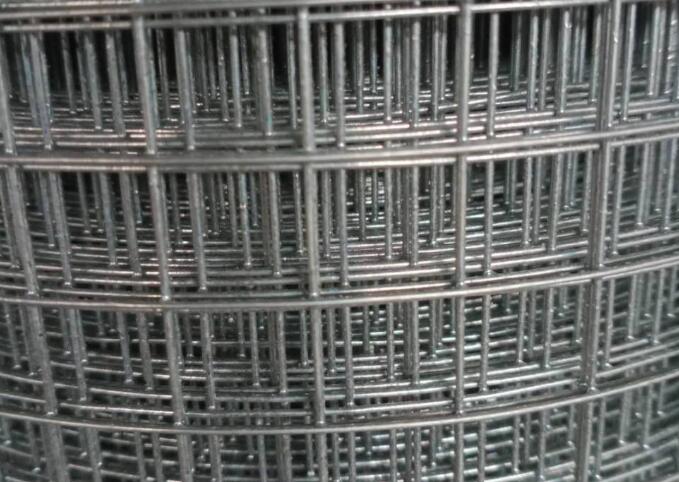
12 gauge galvanized tie wire is a crucial component in numerous industrial applications, primarily serving as a binding and securing agent. It is a low-carbon steel wire coated with a layer of zinc via a galvanization process, providing corrosion resistance. Positioned within the broader wire product manufacturing industry, it occupies a specific niche demanding a balance between tensile strength, ductility, and environmental protection. Core performance characteristics include its ability to withstand handling stress, maintain structural integrity in diverse environments, and provide reliable fastening in applications ranging from construction and agriculture to packaging and electrical systems. The gauge designation (12) refers to the wire diameter, impacting its tensile strength and applicability to specific load requirements. Understanding the interplay between material composition, manufacturing processes, and performance specifications is paramount for effective implementation and longevity of this essential industrial fastener.
Material Science & Manufacturing
The fundamental raw material for 12 gauge galvanized tie wire is low-carbon steel, typically SAE 1008 or similar grades. This steel consists primarily of iron with a carbon content of approximately 0.08%, along with trace amounts of manganese, phosphorus, and sulfur. The low carbon content ensures adequate ductility for forming and tying operations. The galvanization process involves immersing the steel wire in a molten zinc bath, creating a metallurgical bond between the zinc coating and the steel substrate. Pre-treatment is critical, typically involving acid pickling to remove mill scale and oxides, followed by fluxing to promote zinc adhesion. Manufacturing commonly follows these steps: steel rod is drawn through a series of dies to achieve the 12 gauge (approximately 2.64 mm) diameter. The drawn wire is then cleaned, fluxed, and galvanized. Post-galvanization, the wire may undergo passivation treatments to enhance corrosion resistance. Key parameters controlled during manufacturing include the zinc bath temperature (typically 450-460°C), immersion time, cooling rate, and the composition of the fluxing solution. Zinc purity is also critical; impurities can lead to brittle coatings. The thickness of the zinc coating is a primary determinant of corrosion protection, typically measured in weight per unit area (e.g., g/m2). The steel’s microstructure influences its mechanical properties. Pearlitic structures contribute to strength, while ferrite contributes to ductility. Heat treatment processes can be used to refine the microstructure and optimize performance characteristics.
Performance & Engineering
The performance of 12 gauge galvanized tie wire is governed by its tensile strength, yield strength, elongation, and corrosion resistance. Tensile strength, typically around 800-1000 MPa, dictates the maximum load the wire can withstand before breaking. Yield strength, approximately 350-500 MPa, represents the stress at which permanent deformation begins. Elongation, usually 15-25%, measures the wire's ductility. Environmental resistance is primarily conferred by the zinc coating, which provides sacrificial corrosion protection – the zinc corrodes preferentially to the steel. The effectiveness of this protection depends on coating thickness and the surrounding environment (salinity, humidity, pH). Engineering considerations include force analysis during application. The tie wire must be able to withstand the tension applied during tying without yielding or breaking. Fatigue performance is also crucial, especially in applications involving repeated bending or stress cycling. Furthermore, the wire’s interaction with other materials needs to be considered to prevent galvanic corrosion. For example, direct contact with aluminum in a humid environment can accelerate corrosion. Compliance requirements may include adherence to industry standards regarding coating thickness, tensile strength, and environmental regulations (e.g., RoHS compliance, restricting the use of hazardous substances). The wire's performance is also affected by temperature; elevated temperatures can reduce its tensile strength and potentially affect the zinc coating's integrity.
Technical Specifications
| Parameter | Unit | Typical Value | Testing Standard |
|---|---|---|---|
| Wire Gauge | AWG | 12 | ASTM F694 |
| Diameter | mm | 2.64 | ASTM F694 |
| Tensile Strength | MPa | 800-1000 | ASTM F694 |
| Yield Strength | MPa | 350-500 | ASTM F694 |
| Elongation | % | 15-25 | ASTM F694 |
| Zinc Coating Weight | g/m2 | 80-275 | ASTM B693 |
Failure Mode & Maintenance
Common failure modes for 12 gauge galvanized tie wire include tensile overload (yielding or fracture), corrosion-induced degradation, and fatigue cracking. Tensile overload occurs when the applied force exceeds the wire's tensile strength. Corrosion, particularly in harsh environments, can lead to a reduction in cross-sectional area, diminishing the wire's strength and eventually causing failure. Fatigue cracking results from repeated stress cycles, initiating at stress concentrators (e.g., bends, surface imperfections). Hydrogen embrittlement can accelerate fatigue failure, especially in high-strength steels and corrosive environments. Galvanic corrosion can also contribute to failure, especially when the wire is in contact with dissimilar metals. Maintenance primarily involves visual inspection for signs of corrosion, damage, or deformation. If corrosion is detected, the wire should be replaced. In applications where the wire is subjected to significant stress, periodic inspections and preventative replacement schedules are recommended. Coating damage, such as scratches or abrasion, should be addressed promptly, as it exposes the underlying steel to corrosion. Applying a protective coating, such as a zinc-rich paint, can help to extend the wire’s service life. Regular cleaning to remove contaminants (e.g., salt, dirt) can also mitigate corrosion risks. Proper storage in a dry environment is essential to prevent premature degradation.
Industry FAQ
Q: What is the typical service life expectancy of 12 gauge galvanized tie wire in a coastal environment?
A: In a coastal environment with high salinity, the service life expectancy can range from 1 to 5 years, depending on the thickness of the zinc coating and the frequency of exposure to saltwater. More robust coatings (higher g/m2) and regular inspection/replacement are crucial for maximizing longevity.
Q: How does the manufacturing process affect the ductility of the wire?
A: Cold drawing, while necessary to achieve the 12 gauge diameter, can reduce ductility. Annealing after drawing restores some ductility, but it's a trade-off with strength. Optimizing the drawing and annealing parameters is critical for achieving the desired balance between strength and ductility.
Q: Can 12 gauge galvanized tie wire be used in direct contact with aluminum?
A: It’s not recommended. The potential for galvanic corrosion is high, with aluminum being the anode and the galvanized steel being the cathode. This accelerates the corrosion of the aluminum and can ultimately lead to failure of the tie wire. Use a non-conductive barrier if contact is unavoidable.
Q: What is the significance of the ‘RoHS’ compliance mentioned in specifications?
A: RoHS (Restriction of Hazardous Substances) compliance ensures that the tie wire does not contain certain hazardous materials, such as lead, mercury, cadmium, hexavalent chromium, PBBs, and PBDEs, making it environmentally friendly and compliant with international regulations.
Q: Is there a difference between different galvanization methods (hot-dip vs. electrogalvanizing) in terms of corrosion protection?
A: Hot-dip galvanizing generally provides a thicker and more durable zinc coating, offering superior corrosion protection compared to electrogalvanizing. However, electrogalvanizing allows for greater control over coating thickness and can produce a smoother finish.
Conclusion
12 gauge galvanized tie wire represents a fundamental fastening solution across diverse industries, offering a balance of strength, ductility, and corrosion resistance. Its performance is directly linked to material selection, manufacturing precision, and adherence to stringent quality control standards. Understanding the potential failure modes – tensile overload, corrosion, and fatigue – is vital for ensuring long-term reliability and preventing costly disruptions.
Future advancements may focus on developing enhanced coating technologies, such as zinc-nickel alloys or organic coatings combined with zinc, to further improve corrosion resistance and extend service life. Continued research into optimized manufacturing processes will also be crucial for maintaining consistent quality and minimizing production costs. Ultimately, a comprehensive understanding of the technical properties and limitations of 12 gauge galvanized tie wire is paramount for engineers and procurement professionals alike.