



Introduction
The 12d common nail is a fundamental fastener in construction and woodworking, characterized by its length of 3 inches and a shank diameter of 0.131 inches. Its designation '12d' refers to a penny size system; the 'd' signifies pennyweight, historically related to the nail’s weight. This nail type occupies a critical position in structural framing, sheathing, and general carpentry due to its balance of holding power and ease of installation. Unlike specialized nails (e.g., roofing nails, finishing nails), the 12d common nail prioritizes shear strength and withdrawal resistance for robust connections. Its widespread adoption stems from cost-effectiveness, availability, and its suitability for a broad spectrum of construction applications. Understanding its material properties, manufacturing processes, performance characteristics, and potential failure modes is paramount for ensuring structural integrity and longevity in construction projects.
Material Science & Manufacturing
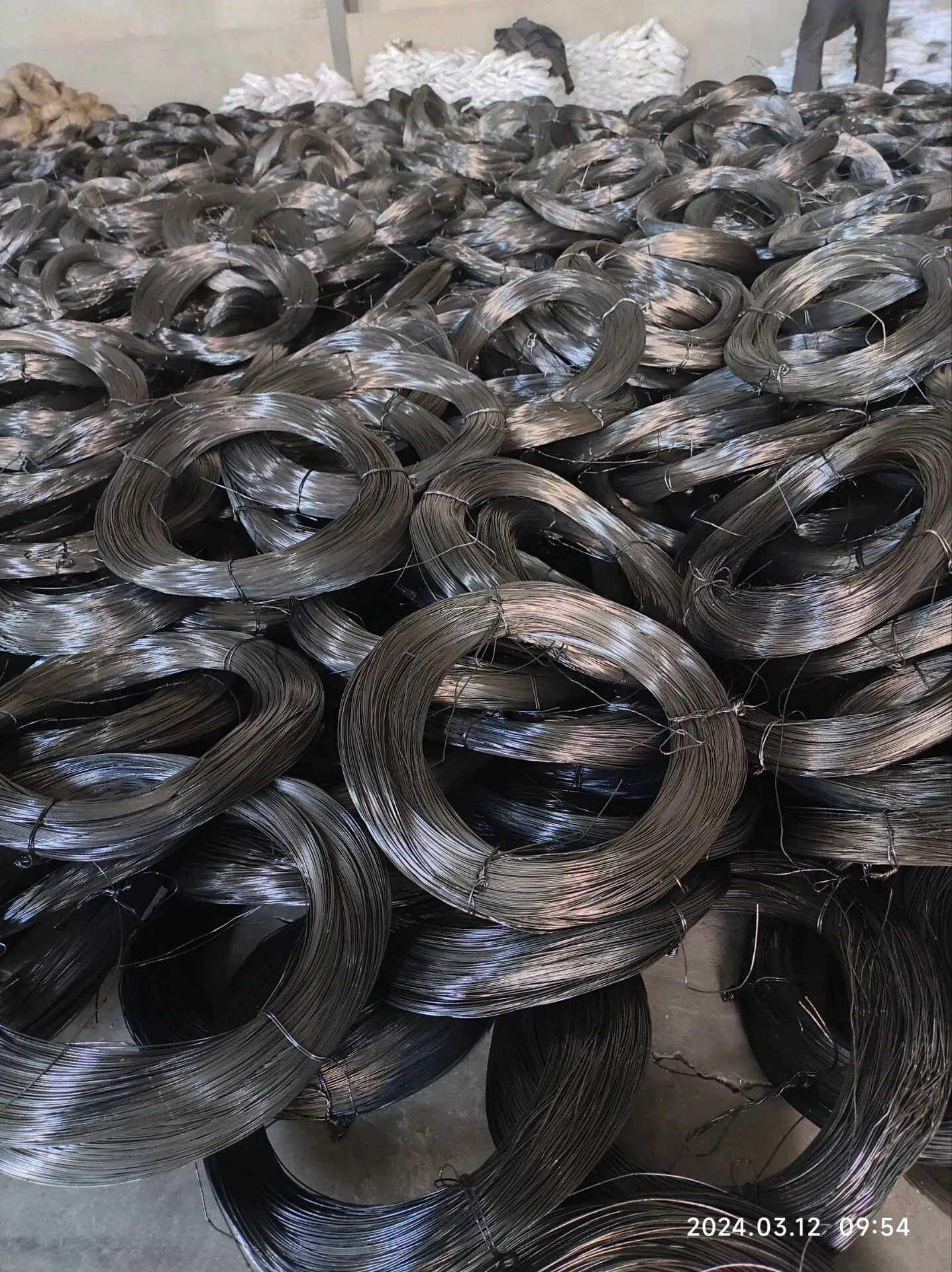
12d common nails are typically manufactured from carbon steel, specifically AISI 1008 or similar low-carbon steel grades. These steels offer a balance of ductility and strength suitable for cold forming processes. Raw material is supplied in wire form, subjected to stringent quality control checks for chemical composition and tensile properties. The manufacturing process begins with wire drawing, reducing the wire diameter to the required 0.131 inches. This is followed by heading, a cold-forming process where the wire is fed into a heading machine. Dies shape the wire into the nail head. Key parameters during heading include die pressure, feed rate, and lubrication. Precise control is crucial to ensure consistent head dimensions and prevent material defects. After heading, the nails undergo a heat treatment process – hardening and tempering – to achieve the desired hardness and toughness. Hardening increases the nail’s strength, while tempering reduces brittleness. This process involves austenitizing (heating to a critical temperature followed by rapid cooling) and then tempering (reheating to a lower temperature). Finally, the nails may receive a surface coating, commonly galvanization (zinc coating) or electroplating, to enhance corrosion resistance. Galvanization is achieved through hot-dip galvanizing or electro-galvanizing, creating a protective zinc layer. Coating thickness is a critical parameter influencing corrosion protection.
Performance & Engineering
The performance of a 12d nail is fundamentally governed by its shear strength, tensile strength, and withdrawal resistance. Shear strength, the ability to resist forces acting parallel to the nail shank, is crucial in structural applications where the nail is subjected to lateral loads. Tensile strength, the resistance to pulling forces, dictates the nail’s ability to withstand direct tension. Withdrawal resistance, the force required to remove the nail from the wood, depends on factors like nail length, shank diameter, wood density, and the angle of withdrawal. Force analysis involves considering the nail as a shear connector, transmitting loads between wood members. Engineering calculations determine the appropriate nail spacing and pattern to meet specific load-bearing requirements. Environmental resistance is primarily addressed through surface coatings. Galvanization provides sacrificial protection, corroding preferentially to the steel substrate. However, the effectiveness of galvanization diminishes over time due to zinc depletion. Compliance requirements vary based on the application and region. Building codes (e.g., International Building Code - IBC) specify nail types, sizes, and spacing for various structural elements. Testing standards (see section 7) are employed to verify nail performance against these requirements. Furthermore, the nail's performance is impacted by the wood species. Harder woods offer greater holding power, while softer woods may require increased nail density.
Technical Specifications
| Parameter | Units | Typical Value | Testing Standard |
|---|---|---|---|
| Nail Length | inches | 3.0 | ASTM F1572 |
| Shank Diameter | inches | 0.131 | ASTM F1572 |
| Head Diameter | inches | 0.375 - 0.400 | ASTM F1572 |
| Head Thickness | inches | 0.090 - 0.100 | ASTM F1572 |
| Shear Strength (Single Shear) | lbs | 600 - 800 | ASTM F1572 |
| Tensile Strength | lbs | 800 - 1000 | ASTM F1572 |
| Zinc Coating Thickness (Galvanized) | µm | 50-70 | ASTM B695 |
Failure Mode & Maintenance
Common failure modes for 12d nails include bending, shear failure, withdrawal, and corrosion. Bending occurs when the nail is subjected to excessive lateral forces, exceeding its yield strength. Shear failure happens when the nail’s cross-sectional area yields under shear stress. Withdrawal, as previously discussed, is influenced by wood density and nail characteristics. Corrosion, particularly in untreated nails, leads to material degradation and reduced strength. Fatigue cracking can occur under cyclical loading, initiating at stress concentrations (e.g., head-shank junction). Delamination of the galvanizing coating exposes the underlying steel to corrosion. Oxidation of the steel, especially in humid environments, accelerates corrosion. Maintenance primarily focuses on preventing corrosion. Regularly inspect nail connections for signs of rust or deterioration. Applying protective coatings (e.g., paint, sealant) to exposed nails can mitigate corrosion. Replacing corroded or damaged nails is crucial to maintain structural integrity. For heavily loaded applications, periodic inspections are recommended to identify and address potential issues before they escalate. Proper storage of nails in a dry environment prevents premature corrosion.
Industry FAQ
Q: What is the difference between a 12d nail and an 8d nail in terms of holding power?
A: A 12d nail, being 3 inches long, penetrates deeper into the wood than an 8d nail (2.5 inches). This increased penetration provides greater holding power, particularly withdrawal resistance. The longer shank also distributes shear forces over a larger area, enhancing shear strength. Consequently, a 12d nail is preferred for structural applications requiring higher load-bearing capacity.
Q: How does the type of wood affect the performance of a 12d nail?
A: Wood density significantly influences nail holding power. Hardwoods (e.g., oak, maple) offer greater resistance to nail withdrawal compared to softwoods (e.g., pine, fir). The wood fibers in hardwoods provide a tighter grip on the nail shank. In softwoods, increased nail density or the use of ring-shank nails (nails with ridges) may be necessary to achieve comparable holding power.
Q: What is the purpose of galvanization, and how long does it last?
A: Galvanization provides corrosion protection by creating a barrier between the steel nail and the environment. Zinc corrodes preferentially to steel, sacrificing itself to protect the nail. The duration of protection depends on the thickness of the zinc coating and the environmental conditions. In relatively benign environments, galvanization can provide decades of protection. However, in corrosive environments (e.g., saltwater exposure), the zinc coating will deplete more rapidly.
Q: What are the implications of using stainless steel nails versus galvanized nails?
A: Stainless steel nails offer superior corrosion resistance compared to galvanized nails, especially in harsh environments. However, they are significantly more expensive. Stainless steel nails are ideal for applications where long-term corrosion protection is paramount, such as coastal construction or exterior wood structures. Galvanized nails provide a cost-effective solution for most general construction applications.
Q: What building codes govern the use of 12d nails in structural framing?
A: The International Building Code (IBC) and local building codes specify requirements for nail size, type, and spacing in structural framing. These codes are designed to ensure structural integrity and safety. Compliance with these codes is mandatory for construction projects. Local amendments to the IBC may also apply, depending on the jurisdiction.
Conclusion
The 12d common nail remains a cornerstone fastener in construction, prized for its versatility, cost-effectiveness, and adequate strength for a wide array of applications. Understanding its material composition, manufacturing processes, and performance characteristics is vital for ensuring its reliable use in structural connections. Factors like wood species, environmental conditions, and proper installation techniques significantly influence its long-term performance.
Future advancements may focus on developing more durable coatings and nail geometries to enhance corrosion resistance and withdrawal strength. Additionally, optimization of manufacturing processes could lead to tighter dimensional tolerances and improved mechanical properties. Continued adherence to industry standards and building codes is essential for maintaining the safety and integrity of structures utilizing this ubiquitous fastener.