



Introduction
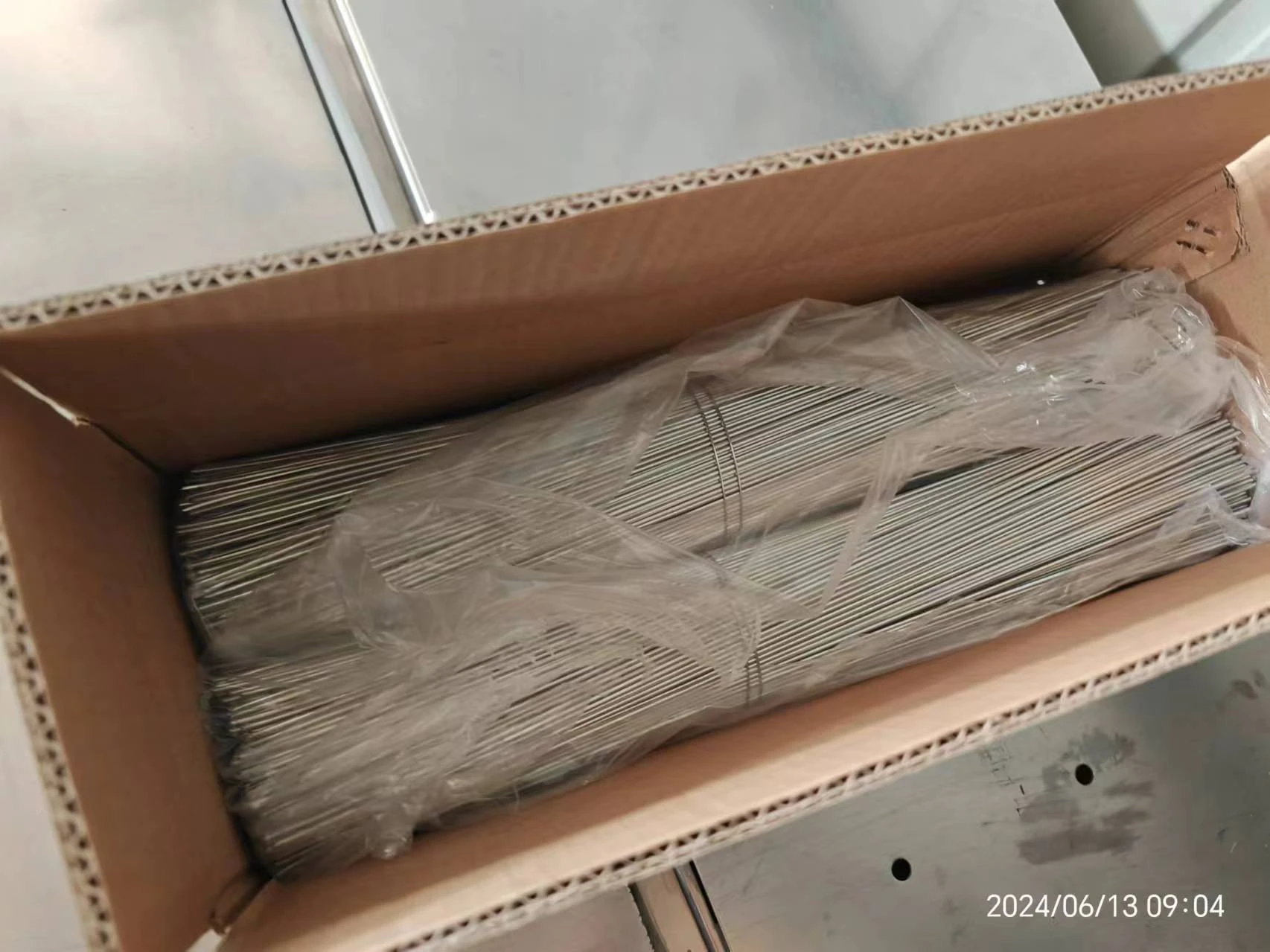
14 gauge black annealed wire is a ferrous metal product, categorized as a low-carbon steel wire subjected to a controlled annealing process. Its position within the industrial chain is foundational, serving as a primary material for a vast range of applications, including fencing, binding, crafting, agricultural support, and as a component in more complex manufactured goods. The “14 gauge” designation refers to its diameter, standardized within the Wire Gauge system (AWG), equating to approximately 1.628 millimeters. “Black annealed” denotes a surface treatment achieved through heating the steel to a specific temperature and allowing it to cool slowly, resulting in increased ductility, malleability, and a darkened, slightly oxidized surface. Core performance characteristics include its formability, tensile strength (typically ranging from 400-550 MPa), and relative resistance to corrosion, making it a versatile and cost-effective material for numerous industrial and commercial purposes. A key industry pain point lies in maintaining consistent material properties across large production runs, and mitigating surface imperfections that can impact downstream processing. Concerns regarding the environmental impact of steel production and the volatile pricing of raw materials also present ongoing challenges.
Material Science & Manufacturing
The primary raw material for 14 gauge black annealed wire is low-carbon steel, typically containing between 0.05% and 0.25% carbon. Other key elements influencing its properties include manganese (0.20-0.90%), phosphorus (≤0.04%), and sulfur (≤0.05%). The carbon content is crucial; lower carbon levels enhance ductility and weldability but reduce tensile strength. Manganese acts as a deoxidizer during steelmaking and increases strength and hardenability. The manufacturing process begins with hot rolling steel billets into wire rod. This rod is then pickled (acid washed) to remove scale. The crucial annealing step follows, involving heating the wire to a temperature typically between 580-650°C (1076-1202°F), held at that temperature for a specific duration, and then slowly cooled, often within a controlled atmosphere to prevent excessive oxidation. Critical process parameters include heating rate, soaking time, cooling rate, and atmospheric control. Cooling rate significantly impacts the final grain structure; slower cooling promotes larger, more ductile grains, while faster cooling results in smaller, stronger grains. The wire is then cooled and typically wound onto spools for transportation and further processing. Surface imperfections, such as mill scale remnants or localized oxidation, are common challenges requiring quality control measures, including visual inspection and non-destructive testing (NDT) methods like eddy current testing.
Performance & Engineering
The performance of 14 gauge black annealed wire is largely dictated by its mechanical properties and environmental resistance. Tensile strength, as mentioned previously, typically falls between 400-550 MPa, while yield strength is approximately 200-300 MPa. Elongation (the amount a material can stretch before breaking) is typically 15-25%, indicating good ductility. From an engineering perspective, the wire’s bending radius is a critical consideration, particularly in applications involving tight curves. Exceeding the minimum bending radius can induce stress concentrations leading to premature failure. Environmental resistance is moderate; the black annealed surface provides some protection against corrosion, but the wire is susceptible to rust if exposed to prolonged moisture and corrosive agents. Galvanization, PVC coating, or epoxy coating are common methods employed to enhance corrosion resistance. Force analysis in applications such as fencing necessitates calculations considering wind load, tensile load due to wire stretching, and support post spacing. Compliance requirements vary by application; for agricultural use, standards regarding metal content and potential contamination may apply. For safety-critical applications (e.g., securing loads), adherence to relevant safety factors and load testing protocols is paramount.
Technical Specifications
| Parameter | Value (Typical) | Testing Standard | Tolerance |
|---|---|---|---|
| Wire Gauge (AWG) | 14 | ASTM F694 | ±0.002 mm |
| Diameter (mm) | 1.628 | ISO 9352 | ±0.02 mm |
| Tensile Strength (MPa) | 400-550 | ASTM A675 | ±20 MPa |
| Yield Strength (MPa) | 200-300 | ASTM A675 | ±15 MPa |
| Elongation (%) | 15-25 | ASTM A675 | ±2% |
| Carbon Content (%) | 0.05-0.25 | ASTM E415 | ±0.02% |
Failure Mode & Maintenance
Common failure modes for 14 gauge black annealed wire include fatigue cracking, particularly in applications involving cyclic loading (e.g., repeatedly bending the wire). Corrosion is another significant factor, leading to rust formation and eventual loss of cross-sectional area, reducing tensile strength. Hydrogen embrittlement, though less common, can occur if the wire is exposed to corrosive environments in the presence of high tensile stress. Oxidation, especially at elevated temperatures, can lead to surface degradation. Delamination, although less frequent in annealed wire, can occur if the manufacturing process introduces internal flaws. Maintenance primarily focuses on preventative measures. For applications exposed to corrosive environments, regular inspection for rust is critical. Applying protective coatings (paint, oil, or galvanization) can significantly extend the service life. If fatigue cracking is a concern, periodic visual inspection for signs of wire damage (e.g., cracks, distortion) is recommended. For critical applications, non-destructive testing (NDT) methods such as magnetic particle inspection can detect subsurface cracks. Proper storage in a dry environment is essential to prevent corrosion. Avoid sharp bending or kinking, which can introduce stress concentrations and accelerate failure.
Industry FAQ
Q: What is the impact of sulfur content on the weldability of 14 gauge black annealed wire?
A: Higher sulfur content decreases weldability. Sulfur forms iron sulfide at grain boundaries, creating brittle zones that can crack during welding. Lower sulfur content (typically ≤0.05%) is preferred for applications requiring welding or forming operations.
Q: How does the annealing process affect the wire's susceptibility to corrosion?
A: While annealing increases ductility, the process creates a slightly oxidized surface which, while offering some initial protection, is more susceptible to corrosion than a fully coated or passivated surface. The oxide layer is not robust and will readily rust when exposed to moisture and electrolytes.
Q: Can 14 gauge black annealed wire be used for direct food contact applications?
A: Generally, no. The surface finish of black annealed wire is not suitable for direct food contact due to potential contamination from the manufacturing process (lubricants, scale remnants) and the potential for corrosion releasing metal ions. Food-grade stainless steel wire is required for such applications.
Q: What is the typical variation in diameter within a single spool of 14 gauge wire?
A: Diameter variation is typically within ±0.02 mm, as outlined in ISO 9352. However, variations can occur due to manufacturing tolerances and potential inconsistencies in the wire drawing process. Regular quality control checks are essential.
Q: What are the advantages of using a controlled atmosphere during annealing?
A: A controlled atmosphere (e.g., nitrogen or argon) minimizes oxidation during annealing, resulting in a cleaner surface finish and improved mechanical properties. It prevents the formation of excessive scale, reducing the need for subsequent pickling and improving overall product quality.
Conclusion
14 gauge black annealed wire remains a fundamental material across numerous industries due to its balance of cost-effectiveness, ductility, and sufficient strength for many applications. The manufacturing process, centering on controlled annealing, is crucial for achieving desired mechanical properties, though it inherently introduces a susceptibility to corrosion. Understanding the material’s limitations, particularly concerning environmental resistance and fatigue failure, is paramount for ensuring long-term performance and reliability.
Future trends point towards increased demand for environmentally sustainable steel production methods and the development of advanced coatings to enhance corrosion protection and extend service life. Continued refinement of process control during annealing, coupled with rigorous quality assurance procedures, will be essential for maintaining consistent product quality and meeting increasingly stringent industry standards. Furthermore, exploring alternative alloying compositions to optimize specific performance characteristics represents a potential area for future innovation.