



Introduction
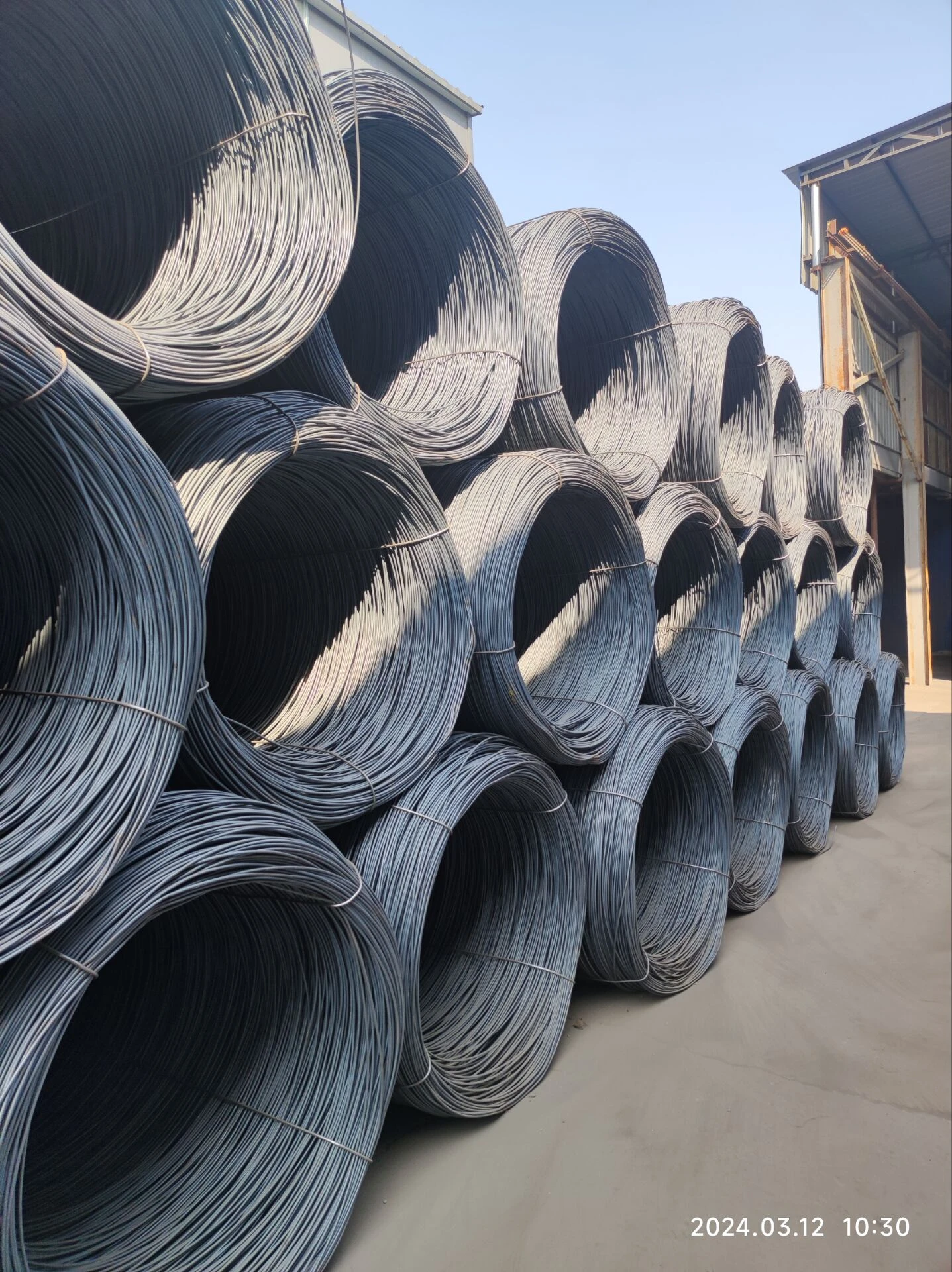
16 gauge dark annealed wire is a low-carbon steel wire processed to achieve a soft, ductile state through annealing, and characterized by a darkened surface finish. Positioned within the broader ferrous metallurgy supply chain, it serves as a foundational material for a vast range of secondary manufacturing processes, including but not limited to wire forming, tying, binding, and crafting applications. Its core performance characteristics – malleability, tensile strength (though reduced compared to harder tempers), and consistent diameter – make it a critical component in industries such as horticulture, packaging, construction, and DIY crafts. The 'dark' finish isn’t a coating but a result of controlled oxidation during the annealing process, providing minimal corrosion resistance but a distinctive aesthetic. A key pain point within the industry revolves around maintaining consistent annealing parameters to guarantee uniform ductility across large production runs and preventing premature oxidation which compromises wire integrity.
Material Science & Manufacturing
The raw material for 16 gauge dark annealed wire is typically low-carbon steel, specifically SAE 1008 or similar grades containing approximately 0.08% carbon. The steel’s initial composition dictates its inherent strength and weldability. Manufacturing begins with hot rolling the steel into wire rod, followed by drawing through a series of progressively smaller dies to achieve the 16 gauge (1.291 mm diameter) specification. The wire is then cleaned to remove surface contaminants – typically scale and lubricants – utilizing processes like pickling (acid bath) or mechanical cleaning. Crucially, the annealing process is paramount. This involves heating the wire to a temperature range of 550-650°C, held for a defined duration (typically several hours), and then slowly cooled. The slow cooling is vital for achieving the desired ductility. The darkening of the surface is a controlled oxidation process facilitated by exposure to air during the cooling phase. Key parameter control lies in maintaining precise temperature uniformity within the annealing furnace, managing cooling rates to prevent the formation of undesirable microstructures (like martensite, which would increase hardness and brittleness), and regulating the furnace atmosphere to control the degree of oxidation. Variations in carbon content, sulfur levels, and the presence of inclusions can impact ductility and consistency. Hydrogen embrittlement is a risk during pickling which requires post-pickling passivation.
Performance & Engineering
The primary engineering consideration for 16 gauge dark annealed wire is its tensile strength and elongation. While annealed, the wire retains a usable tensile strength, typically ranging from 350-450 MPa, but significantly lower than harder temper wires. Elongation, a measure of ductility, is substantially higher, generally exceeding 20%. Force analysis in application (e.g., a tie wire securing plants) centers on calculating the yield strength to ensure the wire doesn’t permanently deform under load. Environmental resistance is limited; the darkened oxide layer offers minimal protection against corrosion, particularly in humid or chemically aggressive environments. Galvanizing or coating with other protective layers is often required for outdoor applications. Compliance requirements depend on the intended use. For example, horticultural applications may necessitate compliance with plant quarantine regulations regarding metal purity. Wire used in food packaging must conform to relevant food-grade material standards. The wire's formability is a crucial functional implementation detail. Its high ductility allows for easy bending, twisting, and shaping without fracturing, making it suitable for intricate wirework. The spring index (ratio of coil diameter to wire diameter) is also a consideration when forming coils or springs from the wire.
Technical Specifications
| Parameter | Units | Typical Value | Testing Standard |
|---|---|---|---|
| Wire Gauge | AWG | 16 | ASTM A641 |
| Diameter | mm | 1.291 | ISO 9352 |
| Tensile Strength | MPa | 350-450 | ASTM A641 |
| Elongation | % | >20 | ASTM A641 |
| Carbon Content | % | 0.08 (max) | ASTM E415 |
| Surface Condition | - | Dark Annealed (Oxidized) | Visual Inspection |
Failure Mode & Maintenance
Failure modes for 16 gauge dark annealed wire commonly include ductile fracture, corrosion-induced failure, and, less frequently, hydrogen embrittlement. Ductile fracture occurs when the wire is subjected to tensile stresses exceeding its yield strength, leading to slow, progressive deformation and eventual breakage. This is often exacerbated by stress concentrations at bends or kinks. Corrosion, particularly in marine or industrial environments, degrades the wire’s cross-section, reducing its load-bearing capacity and leading to failure. The dark oxide layer provides limited protection, and rust formation is common. Hydrogen embrittlement, though less prevalent, can occur if the wire was improperly pickled and residual hydrogen remains within the metal lattice, reducing its ductility and promoting crack initiation. Maintenance is generally limited due to the material's inherent vulnerability to corrosion. For extended service life, applying a protective coating (e.g., zinc galvanizing, epoxy coating) is recommended. Regular inspection for signs of corrosion, cracking, or deformation is critical, especially in load-bearing applications. Removing any accumulated dirt or debris can also help to mitigate corrosion. If the wire is used in a critical application, periodic replacement based on a predetermined service life or after visual inspection for degradation is prudent.
Industry FAQ
Q: What is the difference between dark annealed and bright annealed wire?
A: The primary difference lies in the surface finish. Bright annealed wire undergoes annealing followed by a cleaning process to remove surface oxides, resulting in a shiny, metallic appearance. Dark annealed wire, as the name suggests, is allowed to oxidize during the cooling phase of annealing, resulting in a darkened surface. Bright annealed wire typically offers better corrosion resistance (though still limited) and is preferred for applications where aesthetics are important. Dark annealed wire is often favored for applications where the surface finish is less critical and a slightly rougher texture is desirable, such as for tie wire in horticulture.
Q: How does the carbon content affect the properties of the wire?
A: Lower carbon content (like in SAE 1008) promotes greater ductility and formability, which is essential for annealed wire. Higher carbon content would increase strength and hardness, but at the expense of ductility, making the wire more brittle and difficult to bend or tie. Maintaining a consistent, low carbon content is therefore crucial during the manufacturing process.
Q: Is this wire suitable for outdoor use without additional protection?
A: No. While the dark oxide layer provides some minimal level of protection, 16 gauge dark annealed wire is not inherently suitable for long-term outdoor use without additional protection. The wire is susceptible to corrosion, especially in humid or saline environments. Galvanizing, plastic coating, or regular application of a corrosion inhibitor is recommended for outdoor applications.
Q: What are the limitations of using this wire in a high-stress application?
A: The annealed temper significantly reduces the wire's tensile strength compared to harder tempers. While it possesses sufficient strength for many tying and binding applications, it is not recommended for high-stress applications where significant load-bearing capacity is required. A harder temper wire should be considered for such applications. Careful consideration of the yield strength under expected loads is essential.
Q: How is the consistency of the annealing process controlled?
A: Consistency is controlled through precise monitoring and regulation of several key parameters, including furnace temperature uniformity, annealing time, cooling rate, and furnace atmosphere. Automated temperature control systems, regular furnace calibration, and careful monitoring of wire properties through tensile testing and metallographic examination are employed to ensure consistent product quality. Statistical Process Control (SPC) is often utilized to track process variations and identify potential issues.
Conclusion
16 gauge dark annealed wire represents a fundamental material in numerous industrial and crafting applications. Its readily manipulated ductility, stemming from carefully controlled annealing processes applied to low-carbon steel, provides a cost-effective solution for tying, binding, and forming. However, its inherent susceptibility to corrosion and relatively low tensile strength necessitates careful consideration of its limitations and appropriate protective measures for long-term performance, particularly in demanding environments.
Future advancements may focus on refining annealing techniques to further enhance ductility while simultaneously improving corrosion resistance through the incorporation of micro-alloying elements or surface treatment technologies. Implementing advanced process control systems leveraging real-time data analysis will also be key to maintaining consistently high product quality and addressing the core industry pain points of uniformity and oxidation control.