



Introduction
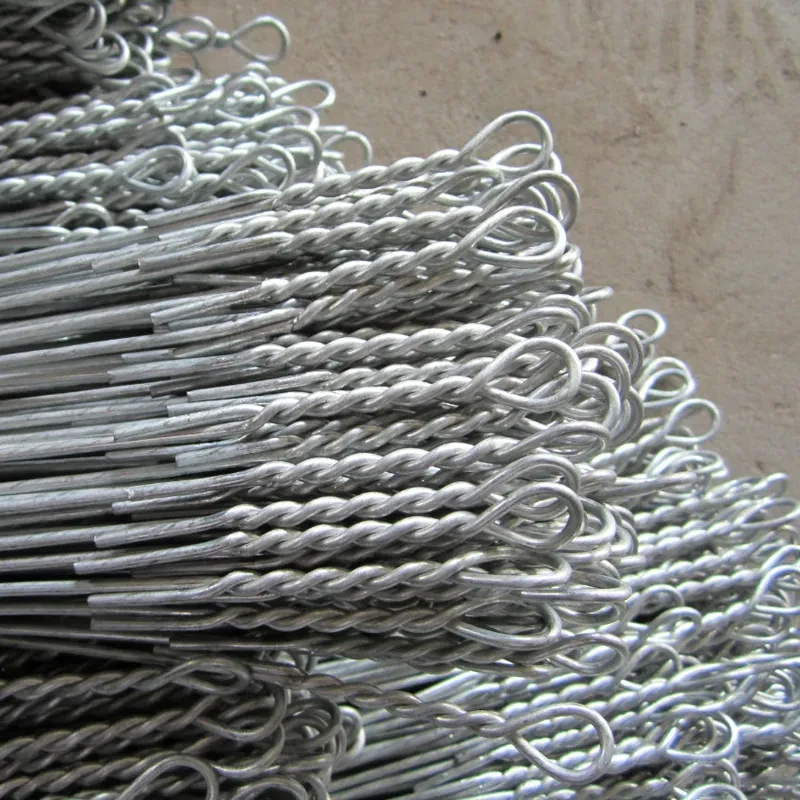
16 gauge iron wire, with a diameter of approximately 1.291mm (0.0508 inches), is a widely utilized material across numerous industrial applications. Positioned within the ferrous metals family, it serves as a foundational component in construction, manufacturing, agriculture, and electrical systems. Its primary function revolves around providing tensile strength, conductivity, and formability, making it suitable for binding, fastening, support, and electrical pathways. Compared to higher gauge wires, 16 gauge offers a balance between flexibility and current-carrying capacity. Its relatively low cost and ease of manipulation contribute to its widespread adoption, though susceptibility to corrosion presents a key performance consideration demanding appropriate surface treatments or alloy selection. This guide provides a comprehensive technical overview, delving into its material science, manufacturing processes, performance characteristics, failure modes, and industry-standard specifications.
Material Science & Manufacturing
The primary raw material for 16 gauge iron wire is low-carbon steel, typically containing less than 0.05% carbon. Trace elements such as manganese, phosphorus, and sulfur are also present, impacting the wire’s ductility and weldability. The iron ore undergoes a series of processes: mining, refining to remove impurities (producing pig iron), and then conversion to steel through methods like the Basic Oxygen Furnace (BOF) or Electric Arc Furnace (EAF). The resulting steel billet is then hot rolled into a rod, which is subsequently drawn through a series of dies – a process known as wire drawing – to achieve the 1.291mm diameter of 16 gauge. Critical parameters during wire drawing include die angle, reduction ratio per pass, lubrication (typically using soaps or oils), and drawing speed. Precise control of these parameters is essential to prevent die wear, work hardening, and surface defects. Further processing can include galvanization (zinc coating) for corrosion resistance, or coating with polymers for insulation or color coding. The mechanical properties of the final wire are heavily influenced by the cold working inherent in the wire drawing process, increasing tensile strength but reducing ductility. Annealing, a heat treatment process, is often employed to restore ductility and improve formability. Chemical composition is tightly controlled to ensure compliance with industry standards like ASTM A641.
Performance & Engineering
The performance of 16 gauge iron wire is dictated by its mechanical and electrical properties. Tensile strength typically ranges from 400-550 MPa, providing adequate load-bearing capacity for many binding and support applications. Yield strength, around 220-350 MPa, dictates the point at which permanent deformation occurs. Elongation, a measure of ductility (typically 10-25%), indicates the wire's ability to withstand stretching before fracture. Electrical resistivity of iron is relatively high (9.71 × 10⁻⁸ Ω·m at 20°C), limiting its use in high-current applications. Corrosion resistance is a significant performance limitation; iron readily oxidizes in the presence of moisture and oxygen, forming rust. This can lead to a reduction in tensile strength and eventual failure. Galvanization offers substantial improvement in corrosion resistance by providing a sacrificial zinc coating. When used in structural applications, force analysis must account for factors such as tensile load, bending stress, and shear stress. Environmental conditions, including temperature fluctuations, humidity, and exposure to corrosive agents, must also be considered. For electrical applications, adherence to National Electrical Code (NEC) standards is paramount, considering current carrying capacity and insulation requirements.
Technical Specifications
| Parameter | Unit | Typical Value | Test Standard |
|---|---|---|---|
| Diameter | mm | 1.291 | ASTM A641 |
| Tensile Strength | MPa | 400-550 | ASTM A641 |
| Yield Strength | MPa | 220-350 | ASTM A641 |
| Elongation | % | 10-25 | ASTM A641 |
| Electrical Resistivity | Ω·m | 9.71 x 10⁻⁸ | ASTM E699 |
| Zinc Coating Thickness (Galvanized) | μm | 55-85 | ASTM B695 |
Failure Mode & Maintenance
16 gauge iron wire is susceptible to several failure modes. Corrosion, as previously mentioned, is a primary concern, leading to uniform thinning of the wire and eventual fracture. Fatigue cracking can occur under cyclic loading, initiating at surface defects or stress concentrations. Hydrogen embrittlement, particularly in high-strength wires exposed to acidic environments, can significantly reduce ductility and promote brittle failure. Mechanical damage, such as bending, kinking, or abrasion, can compromise the wire’s structural integrity. For galvanized wire, differential aeration corrosion can occur, particularly in marine environments, accelerating corrosion at areas where the zinc coating is damaged. Maintenance strategies focus on preventative measures. Regular inspection for signs of corrosion, fatigue cracking, or mechanical damage is crucial. Applying protective coatings (e.g., paint, epoxy) can enhance corrosion resistance. Proper storage in a dry environment minimizes corrosion risk. In applications where the wire is subjected to cyclic loading, implementing stress relief measures can extend its service life. Replacement of damaged or corroded wire is essential to prevent catastrophic failure. Periodic testing of tensile strength and elongation can help monitor the wire’s condition and predict its remaining service life.
Industry FAQ
Q: What is the difference between annealed and unannealed 16 gauge iron wire in terms of its suitability for forming complex shapes?
A: Unannealed wire, directly drawn from the die, possesses higher tensile strength but significantly lower ductility. This makes it brittle and prone to fracturing when attempting to bend it into intricate shapes. Annealed wire, having undergone a heat treatment process, exhibits substantially improved ductility, allowing for easier and more reliable forming without cracking or breaking. For applications requiring complex geometries, annealed wire is the preferred choice.
Q: How does the carbon content in the steel affect the weldability of 16 gauge iron wire?
A: Lower carbon content generally improves weldability. Higher carbon content increases the hardness and strength of the weld, but also makes it more susceptible to cracking. 16 gauge iron wire typically uses low-carbon steel (less than 0.05% C) specifically to facilitate welding without preheating or post-weld heat treatment. Higher carbon steels require more sophisticated welding techniques.
Q: What are the limitations of galvanized coating regarding corrosion protection, and what alternatives exist?
A: Galvanized coating provides excellent corrosion protection through a sacrificial mechanism – the zinc corrodes preferentially, protecting the underlying iron. However, this protection is finite. Once the zinc layer is depleted, the iron is exposed to corrosion. Furthermore, galvanized coatings can be susceptible to white rust (zinc oxide) formation in humid environments. Alternatives include epoxy coating, which provides a barrier against moisture and corrosive agents, and stainless steel wire, offering superior corrosion resistance but at a significantly higher cost.
Q: What is the impact of wire drawing speed on the final mechanical properties of 16 gauge iron wire?
A: Higher wire drawing speeds generally lead to increased work hardening, resulting in higher tensile strength but reduced ductility. Controlling the drawing speed is crucial to achieve the desired balance between strength and ductility. Slower speeds allow for more gradual deformation, promoting a more uniform microstructure and improved mechanical properties. Excessive speed can lead to die wear and surface imperfections.
Q: How do different lubricants used in the wire drawing process affect the surface finish and corrosion resistance of the final product?
A: The lubricant used in wire drawing plays a vital role in reducing friction, preventing die wear, and influencing the surface finish. Soaps and oils are commonly used, but specific formulations can impact corrosion resistance. Some lubricants can leave residues on the wire surface, potentially promoting corrosion. The selection of a lubricant compatible with the subsequent galvanization or coating process is critical to ensure optimal corrosion protection.
Conclusion
16 gauge iron wire represents a versatile and cost-effective material solution for a broad spectrum of industrial applications. Its performance characteristics—dictated by its material composition, manufacturing process, and surface treatments—determine its suitability for specific tasks. Understanding the interplay between tensile strength, ductility, corrosion resistance, and electrical properties is paramount for proper material selection and application engineering.
Future advancements in materials science may lead to the development of iron alloys with enhanced corrosion resistance and mechanical properties, potentially reducing the reliance on protective coatings. Furthermore, ongoing refinements in wire drawing techniques and surface treatment processes promise to improve the quality, consistency, and performance of 16 gauge iron wire, extending its applicability in demanding environments and innovative designs.