



Introduction
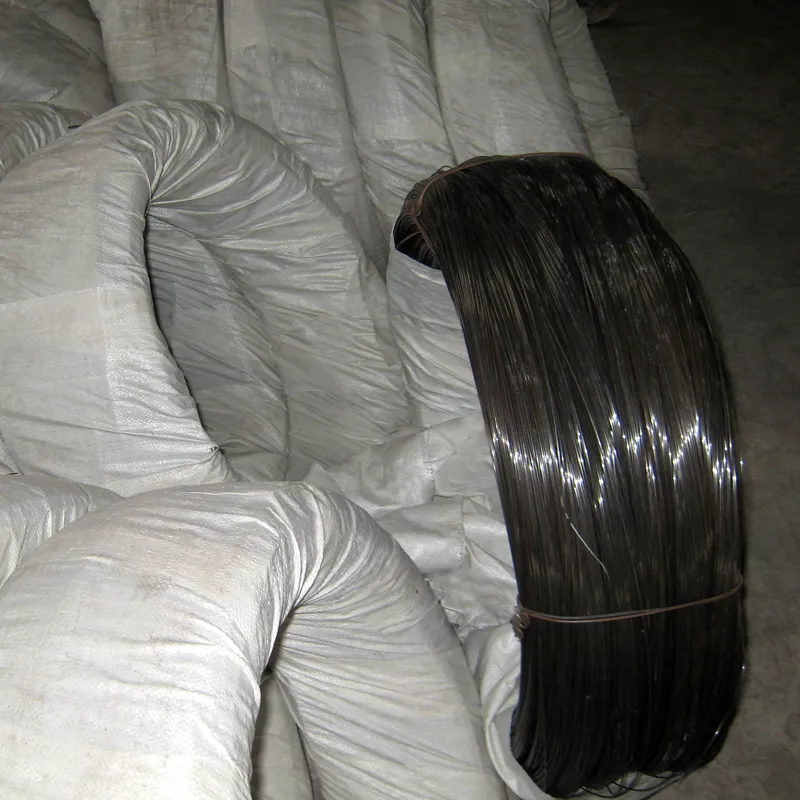
16 gauge x 200 ft galvanized wire is a widely utilized fastener and construction material characterized by its corrosion resistance and structural integrity. Within the broader metallic materials industry, it occupies a critical position as a cost-effective solution for binding, securing, and providing tensile strength in various applications. The “16 gauge” designation refers to the wire diameter, standardized in the American Wire Gauge (AWG) system, indicating a specific cross-sectional area. Galvanization, the process of applying a protective zinc coating, fundamentally alters the wire's electrochemical properties, mitigating corrosion and extending its service life. Core performance characteristics include tensile strength, yield strength, elongation, zinc coating thickness, and resistance to chloride and sulfide attack. This guide provides a comprehensive analysis of its material science, manufacturing processes, performance parameters, potential failure modes, and relevant industry standards.
Material Science & Manufacturing
The raw material for 16 gauge galvanized wire is typically low-carbon steel, specifically SAE 1008 or similar grades. These steels possess sufficient ductility for drawing into wire and exhibit acceptable weldability. The steel's composition significantly impacts its mechanical properties; manganese content influences strength and hardenability, while phosphorus and sulfur levels are carefully controlled to minimize brittleness. The manufacturing process begins with hot rolling steel billets into wire rod. This rod then undergoes a series of drawing operations, reducing the diameter progressively through a series of dies. Lubrication is crucial during drawing to minimize friction and prevent die wear. After drawing to the 16 gauge diameter (approximately 1.291 mm), the wire is cleaned to remove any residual lubricants or surface contaminants. The galvanization process typically employs hot-dip galvanizing, where the cleaned wire is immersed in a bath of molten zinc. The zinc metallurgically bonds with the steel surface, forming a series of zinc-iron alloy layers, topped with a pure zinc layer. Critical process parameters include bath temperature (around 450°C), immersion time, and cooling rate. Post-galvanization treatments may include passivation to further enhance corrosion resistance and achieve a uniform surface finish. Variations include electro-galvanizing, offering a more controlled coating thickness but often with lower corrosion protection compared to hot-dip.
Performance & Engineering
The performance of 16 gauge galvanized wire is governed by several engineering considerations. Tensile strength, typically ranging from 80,000 to 90,000 PSI, dictates the wire’s load-bearing capacity. Yield strength, approximately 50,000 to 60,000 PSI, determines the point at which permanent deformation occurs. Elongation, generally between 10-20%, signifies the wire's ductility and ability to absorb energy before fracturing. The galvanized coating's thickness (measured in zinc weight per unit area, e.g., G90, G60) is paramount for corrosion protection. Environments with high chloride concentrations (marine applications, de-icing salts) demand thicker coatings. Force analysis in applications like fencing or binding requires considering the wire's tensile capacity, bending moment resistance, and potential for stress concentration at bends or connections. Compliance requirements vary depending on the application; for example, fencing used in agricultural settings may need to meet specific standards regarding animal containment and structural integrity. The wire's electrical conductivity is also a factor in some applications, although galvanized wire has lower conductivity than bare steel due to the zinc coating. Environmental resistance includes long-term exposure to UV radiation, temperature fluctuations, and industrial pollutants, all of which can degrade the zinc coating over time.
Technical Specifications
| Parameter | Typical Value | Testing Standard | Units |
|---|---|---|---|
| Wire Gauge | 16 | AWG | - |
| Diameter | 1.291 | Micrometer | mm |
| Tensile Strength | 85,000 | ASTM A653 | PSI |
| Yield Strength | 55,000 | ASTM A653 | PSI |
| Elongation | 15 | ASTM A653 | % |
| Zinc Coating Thickness (G90) | 0.31 | ASTM B695 | oz/ft² |
Failure Mode & Maintenance
16 gauge galvanized wire can fail through several mechanisms. Corrosion is the most prevalent, manifesting as rust formation and eventual section loss. While galvanization provides significant protection, it’s not absolute. In marine environments, chloride attack accelerates corrosion, leading to pitting and localized failures. Hydrogen embrittlement can occur during the galvanization process, especially with high-strength steels, reducing ductility and increasing susceptibility to cracking. Mechanical damage, such as bending, twisting, or abrasion, can compromise the zinc coating and expose the underlying steel to corrosion. Fatigue cracking can develop under cyclic loading, particularly at stress concentrations. Creep, the slow deformation under sustained load, is less common but possible at elevated temperatures. Maintenance primarily focuses on periodic inspection for signs of corrosion or mechanical damage. If localized corrosion is detected, damaged sections can be treated with zinc-rich paints or coatings. For critical applications, sacrificial anodes can be installed to provide cathodic protection. Avoiding harsh bending and abrasive conditions during installation and use will extend service life. Regular cleaning to remove dirt, debris, and corrosive substances is also beneficial. The lifespan is significantly reduced if the wire is used in direct contact with dissimilar metals without appropriate insulation.
Industry FAQ
Q: What is the difference between G60 and G90 galvanization, and which is preferable for outdoor fencing?
A: G60 and G90 refer to the weight of zinc coating per square foot of steel surface (0.60 oz/ft² and 0.90 oz/ft², respectively). G90 provides a thicker zinc coating, offering significantly improved corrosion resistance, particularly in harsh environments. For outdoor fencing, especially in areas with high humidity, saltwater exposure, or industrial pollutants, G90 is strongly preferred, despite the higher initial cost, as it will extend the fence’s lifespan and reduce maintenance requirements.
Q: Can galvanized wire be welded? What precautions should be taken?
A: Yes, galvanized wire can be welded, but it requires specific precautions. The zinc coating releases fumes during welding that are harmful to respiratory health and can create porosity in the weld. Adequate ventilation is essential. Use welding processes suitable for galvanized steel, such as MIG or flux-cored arc welding, and reduce heat input to minimize zinc vaporization. Cleaning the wire with a wire brush prior to welding can also help. Consider using galvanized welding consumables to maintain corrosion protection in the weld area.
Q: How does the wire gauge affect the load-bearing capacity of the wire?
A: Wire gauge is inversely proportional to the wire’s cross-sectional area and, therefore, its load-bearing capacity. A lower gauge number (e.g., 14 gauge) indicates a thicker wire with a larger cross-sectional area and higher tensile strength. 16 gauge wire has a specific tensile strength, but it is lower than that of, for example, 14 gauge wire. The appropriate gauge must be selected based on the expected load and application requirements, with a safety factor incorporated to account for dynamic loads and environmental factors.
Q: What is the impact of cold working (bending, forming) on the properties of galvanized wire?
A: Cold working increases the yield strength and hardness of the wire but reduces its ductility and elongation. Severe cold working can lead to cracking, especially in areas of sharp bends. The zinc coating can also become stressed and potentially flake off during deformation. For applications requiring significant bending or forming, annealed wire or wire with a thicker zinc coating is recommended to minimize these effects.
Q: What are the typical storage conditions for galvanized wire to prevent corrosion before use?
A: Galvanized wire should be stored in a dry, well-ventilated area, protected from direct contact with moisture, corrosive chemicals, and dissimilar metals. Ideally, it should be stored indoors or under a waterproof cover. Elevating the wire off the ground prevents contact with moisture and dirt. Avoid stacking the wire in a manner that could damage the coating. Proper storage minimizes the risk of white rust formation (zinc oxide), which, while not a structural issue, indicates some coating degradation.
Conclusion
16 gauge x 200 ft galvanized wire represents a balance of cost-effectiveness, corrosion resistance, and mechanical strength, making it a staple material in numerous industries. Its performance characteristics are fundamentally linked to the underlying steel composition, the quality of the galvanization process, and the environmental conditions it is exposed to. Understanding the potential failure modes – primarily corrosion, mechanical damage, and hydrogen embrittlement – is crucial for ensuring long-term reliability.
Selecting the appropriate galvanization level (G60 vs. G90), implementing proper installation techniques, and adhering to recommended maintenance procedures are vital for maximizing the service life of galvanized wire. Future advancements in coating technologies, such as zinc-aluminum alloys, may offer even greater corrosion protection and improved performance in challenging environments. Continuous monitoring of industry standards, like those outlined below, is essential for maintaining quality control and compliance.