



Introduction
The 16d common nail is a foundational fastening element in construction and woodworking, categorized by its length and gauge. ‘16d’ denotes a nail approximately 3.5 inches long and with a specific wire gauge (typically 0.120 inches). This nail occupies a central position in the building materials supply chain, utilized in framing, sheathing, and a wide array of general construction applications. Its core performance characteristics revolve around shear strength, withdrawal resistance, and ductility, making it a reliable, albeit relatively simple, mechanical fastener. The industry faces ongoing challenges regarding corrosion protection, material consistency, and the adoption of alternative fastening technologies, such as screws and adhesives, necessitating continuous evaluation of nail performance and manufacturing processes.
Material Science & Manufacturing
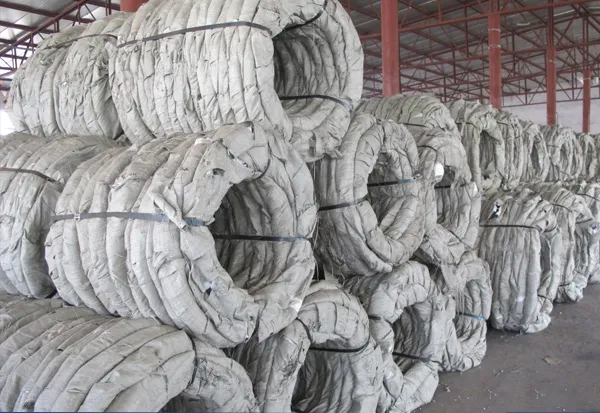
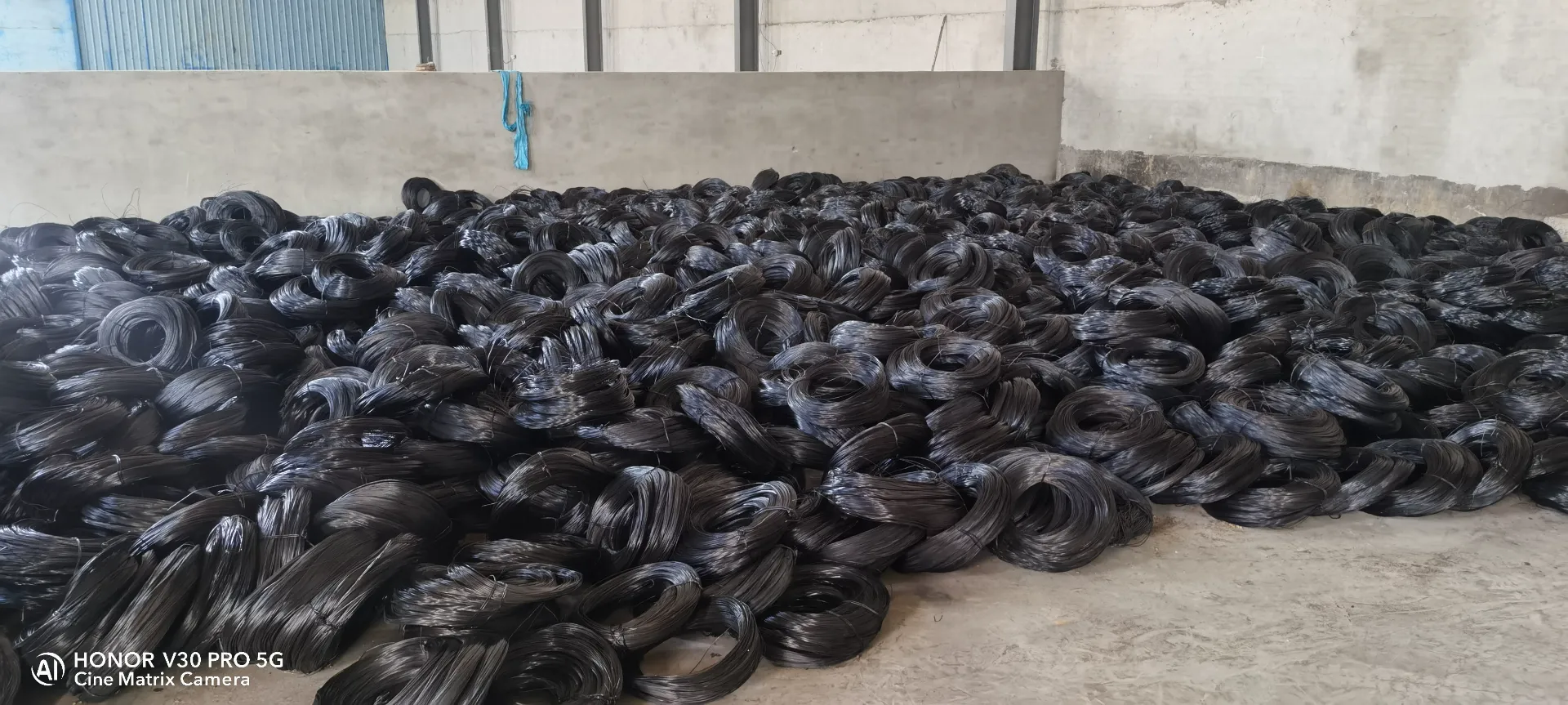
16d common nails are primarily manufactured from carbon steel, specifically low to medium carbon steel grades such as SAE 1008 or 1010. These steels offer a balance of strength, ductility, and cost-effectiveness. The raw material is typically supplied in wire form. The manufacturing process begins with wire drawing, reducing the diameter of the steel wire to the desired gauge. This is followed by heading, a cold-forming process where the wire is fed into a machine that shapes the nail head. Key parameters in the heading process include die shape, impact force, and feed rate. Precise control of these parameters is crucial to ensure consistent head dimensions and prevent material defects like cracking. Subsequent processes include pointing, which sharpens the nail tip for easier penetration, and often, surface treatment. Common surface treatments include galvanization (zinc coating for corrosion resistance) and phosphate coating (providing a base for paint or other coatings). The chemical composition of the steel directly impacts its hardenability and tensile strength. Hydrogen embrittlement is a concern during galvanization and requires post-treatment baking to mitigate the risk of cracking. Quality control throughout the process involves dimensional checks, hardness testing (Rockwell hardness), and tensile strength testing to verify adherence to industry standards.
Performance & Engineering
The performance of a 16d common nail is governed by principles of mechanics and material science. Its shear strength, the force required to shear the nail shaft, is critical in resisting lateral loads. Withdrawal resistance, the force needed to pull the nail out of the wood, depends on factors such as nail diameter, length, wood density, and nail angle. The nail’s ductility allows it to bend under stress rather than fracturing, providing some degree of flexibility in the connection. Engineering calculations for nail connections consider safety factors to account for uncertainties in material properties and loading conditions. Environmental resistance is a key performance parameter. Exposure to moisture, particularly in marine or coastal environments, can lead to corrosion, weakening the nail and reducing connection strength. Galvanization provides a sacrificial layer of zinc to protect the steel from corrosion. Code compliance, such as adherence to building codes like the International Building Code (IBC), dictates permissible nail patterns, edge distances, and end distances for specific applications. The nail's shank design (smooth vs. ring-shanked) significantly influences withdrawal resistance, with ring-shanked nails offering superior holding power due to increased friction.
Technical Specifications
| Parameter | Typical Value | Testing Standard | Units |
|---|---|---|---|
| Nominal Length | 3.5 | ASTM F1578 | inches |
| Shank Diameter (Gauge) | 0.120 | ASTM F1578 | inches |
| Head Diameter | 0.375 - 0.400 | ASTM F1578 | inches |
| Head Thickness | 0.090 - 0.110 | ASTM F1578 | inches |
| Tensile Strength | 80,000 - 100,000 | ASTM F1578 | psi |
| Yield Strength | 40,000 - 60,000 | ASTM F1578 | psi |
Failure Mode & Maintenance
Common failure modes for 16d common nails include bending, shear failure, withdrawal failure, and corrosion. Bending occurs when the nail is subjected to excessive lateral loads exceeding its flexural strength. Shear failure happens when the nail is subjected to forces parallel to the shank, exceeding its shear strength. Withdrawal failure is a prevalent issue, especially in softer woods, where the nail loses holding power over time. Corrosion, particularly in untreated nails, leads to material degradation, reducing load-bearing capacity. Fatigue cracking can also occur in applications with cyclic loading. Maintenance is typically limited to inspection for corrosion and replacement of damaged nails. Galvanized nails offer significantly improved corrosion resistance but can still experience corrosion in harsh environments. Preventative measures include proper nail selection for the application (e.g., using ring-shanked nails for increased withdrawal resistance), appropriate surface treatment, and avoiding contact with dissimilar metals that can accelerate corrosion. Regular visual inspections of nail connections are crucial, especially in structures exposed to harsh weather conditions. If corrosion is detected, immediate replacement of the affected nails is recommended.
Industry FAQ
Q: What is the difference between a common nail and a box nail?
A: Common nails have a smooth shank, while box nails have a diamond-shaped point. Box nails are designed for thinner materials and reduce splitting, whereas common nails are more versatile for general construction.
Q: How does galvanization impact the lifespan of a nail?
A: Galvanization significantly extends the lifespan of a nail by providing a sacrificial zinc coating that protects the steel from corrosion. The lifespan depends on the thickness of the zinc coating and the severity of the environmental conditions.
Q: What is the significance of nail gauge?
A: Nail gauge refers to the diameter of the nail shank. Lower gauge numbers indicate thicker nails. Thicker nails provide greater shear strength and withdrawal resistance, but require more force to drive.
Q: Are there alternative materials to steel for nail production?
A: Yes, aluminum, stainless steel, and copper are sometimes used for nail production, particularly in applications where corrosion resistance is paramount. However, these materials are generally more expensive than steel.
Q: How does wood density affect nail holding power?
A: Higher wood density generally translates to greater nail holding power. Denser woods provide more friction and resistance to nail withdrawal. Softer woods require larger diameter or ring-shanked nails for adequate holding power.
Conclusion
The 16d common nail remains a critical component in numerous construction applications due to its cost-effectiveness and adequate strength for many general-purpose tasks. Understanding its material properties, manufacturing processes, and potential failure modes is crucial for ensuring the integrity and longevity of structures. While alternative fastening technologies continue to evolve, the 16d common nail maintains a significant role, particularly in applications where simplicity and speed are prioritized.
Future trends will likely focus on advancements in corrosion-resistant coatings and the development of high-strength steel alloys for enhanced performance. Continued adherence to industry standards and rigorous quality control measures are essential to guarantee the reliability and safety of this fundamental fastening element. Further research into sustainable manufacturing practices and material sourcing will also be increasingly important.