



Introduction
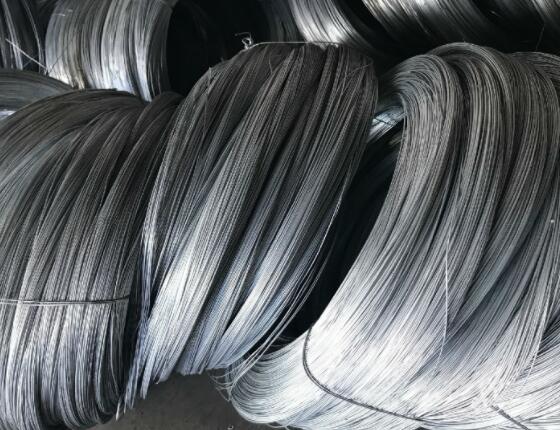
18 gauge galvanized wire is a carbon steel wire coated with a protective layer of zinc. It occupies a critical position in numerous industrial applications, functioning as a versatile material for binding, securing, and providing corrosion resistance. The “18 gauge” designation refers to the wire’s diameter, approximately 1.024 mm, influencing its tensile strength and flexibility. Its primary performance characteristic stems from the galvanization process, which creates a barrier against environmental factors, extending service life in corrosive environments. This guide provides a comprehensive technical overview of 18 gauge galvanized wire, covering material science, manufacturing, performance, failure modes, and relevant industry standards. The core pain point addressed by galvanized wire is the prevention of premature failure due to corrosion, a significant economic factor in infrastructure, agriculture, and manufacturing.
Material Science & Manufacturing
The base material for 18 gauge galvanized wire is typically low-carbon steel, such as SAE 1008, chosen for its ductility and weldability. The steel composition primarily consists of iron with trace amounts of manganese, phosphorus, and sulfur. These elements influence the steel's strength, hardness, and formability. The galvanization process involves immersing the cleaned steel wire in a bath of molten zinc. This results in a metallurgically bonded coating, forming several layers: a Gamma (Γ) layer – an iron-zinc alloy; a Delta (Δ) layer – a more ductile iron-zinc alloy; a Zeta (ζ) layer – primarily zinc; and an Eta (η) layer – an outer, pure zinc layer. The manufacturing process begins with wire drawing, reducing the steel billet to the desired 1.024 mm diameter. Post-drawing, the wire undergoes cleaning to remove oils, scale, and other contaminants, crucial for proper zinc adhesion. The galvanization process is tightly controlled, monitoring zinc bath temperature (typically 450-460°C), immersion time, and withdrawal speed. Cooling is performed to solidify the zinc coating, followed by optional finishing treatments like passivization (chromate or non-chromate conversion coatings) to enhance corrosion resistance. Parameter control is critical; variations in zinc bath composition, temperature, or wire speed directly impact coating thickness, uniformity, and adherence, potentially leading to premature corrosion.
Performance & Engineering
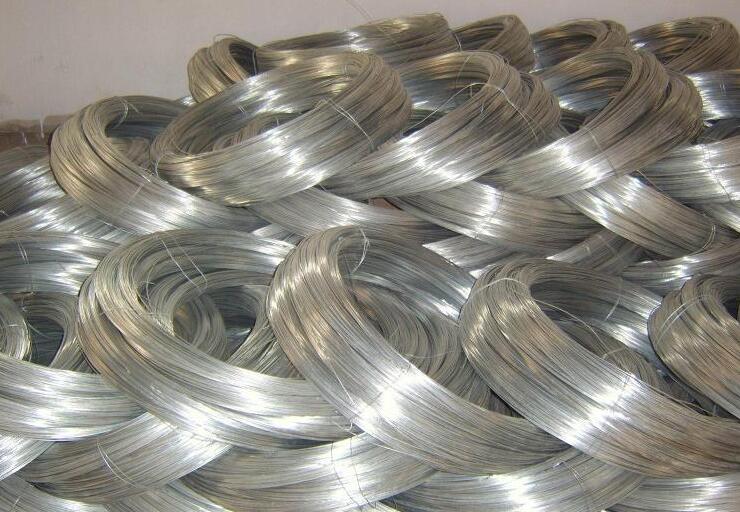
The performance of 18 gauge galvanized wire is heavily influenced by the zinc coating’s thickness and its adhesion to the steel substrate. The zinc coating provides sacrificial protection – it corrodes preferentially, protecting the underlying steel. The coating thickness directly correlates to the wire's lifespan in a given environment. Engineering considerations include tensile strength, yield strength, elongation, and torsional strength. For 18 gauge galvanized wire, typical tensile strength ranges from 330-400 MPa, with yield strength around 240-300 MPa, and elongation at break of 10-15%. Environmental resistance is a key performance metric. Exposure to saltwater, acidic environments, and high humidity accelerates corrosion. Compliance requirements vary depending on the application. For example, agricultural applications might require compliance with local regulations regarding zinc content to avoid soil contamination. In construction, wire must meet building code standards for load-bearing capacity and corrosion resistance. Force analysis typically involves determining the safe working load, considering factors of safety and potential dynamic loading. The wire's ability to withstand repeated bending and twisting without fracturing is also crucial, particularly in applications like fencing and cable tying.
Technical Specifications
| Parameter | Unit | Typical Value | Testing Standard |
|---|---|---|---|
| Gauge | AWG | 18 | ASTM F694 |
| Diameter | mm | 1.024 | ASTM A96 |
| Tensile Strength | MPa | 330-400 | ASTM F694 |
| Zinc Coating Weight | g/m² | 40-60 | ASTM B693 |
| Elongation | % | 10-15 | ASTM E8 |
| Yield Strength | MPa | 240-300 | ASTM E8 |
Failure Mode & Maintenance
Common failure modes for 18 gauge galvanized wire include corrosion, fatigue cracking, and hydrogen embrittlement. Corrosion occurs when the zinc coating is depleted, exposing the steel to the environment. The rate of corrosion depends on factors such as humidity, salt spray exposure, and the presence of pollutants. Fatigue cracking can occur under cyclic loading, particularly at bends or points of stress concentration. Hydrogen embrittlement is a less common but potentially severe failure mode, arising from the absorption of hydrogen gas into the steel during the galvanization process. This can reduce ductility and lead to brittle fracture. Maintenance strategies focus on preventing or mitigating corrosion. Regular inspection for signs of rust or coating damage is crucial. For applications exposed to harsh environments, applying a supplementary protective coating (e.g., epoxy or polyurethane) can extend service life. In cases of minor coating damage, zinc-rich paint can be used for localized repairs. Avoiding bending the wire repeatedly at the same point can minimize fatigue cracking. Proper storage in a dry environment prevents premature corrosion during warehousing. Regular cleaning to remove contaminants also prolongs the wire's lifespan.
Industry FAQ
Q: What is the difference between galvanized wire and stainless steel wire in terms of corrosion resistance?
A: While both offer corrosion resistance, stainless steel provides superior protection in highly aggressive environments due to its inherent chromium content forming a passive layer. Galvanized wire relies on sacrificial protection from the zinc coating. Zinc is effective in many environments, but its protection diminishes as the coating is consumed. Stainless steel is more expensive but generally offers a longer service life in harsh conditions.
Q: How does the zinc coating thickness affect the lifespan of the wire?
A: Coating thickness is directly proportional to lifespan. A thicker coating provides more sacrificial zinc, delaying the onset of steel corrosion. Industry standards (like ASTM B693) specify minimum coating weights for different service environments. Increasing the coating thickness beyond a certain point provides diminishing returns and can increase costs.
Q: Can galvanized wire be welded?
A: Yes, but it requires specific techniques. The zinc coating produces fumes that are harmful if inhaled, so adequate ventilation is essential. The flux used must be compatible with galvanized steel to prevent coating vaporization and ensure a sound weld. Pre-heating the wire can also improve weldability.
Q: What is passivation and why is it applied to galvanized wire?
A: Passivation is a chemical treatment that creates a protective layer on the zinc coating, enhancing its corrosion resistance. It involves applying a chromate or non-chromate conversion coating, forming a thin, inert film that inhibits corrosion. Passivation is particularly beneficial for applications exposed to saltwater or acidic environments.
Q: What are the environmental concerns associated with galvanized wire manufacturing and disposal?
A: The primary environmental concern is the handling and disposal of zinc-containing waste products from the galvanization process. Regulations govern the discharge of zinc into waterways and the handling of zinc ash. Proper waste management practices, including recycling and responsible disposal, are essential to minimize environmental impact.
Conclusion
18 gauge galvanized wire remains a cornerstone material across diverse industries due to its cost-effectiveness and robust corrosion protection. Understanding the interplay between material science, manufacturing processes, and performance characteristics is crucial for selecting the appropriate wire for a given application. The zinc coating provides a sacrificial barrier, but its effectiveness is dependent on thickness, uniformity, and environmental factors.
Continued advancements in galvanization techniques, such as optimized bath compositions and advanced passivation treatments, will further enhance the performance and longevity of galvanized wire. Future research may also focus on developing more environmentally friendly galvanization processes and exploring alternative coating materials to address emerging sustainability concerns. Careful consideration of potential failure modes and implementation of appropriate maintenance strategies are vital for maximizing service life and minimizing lifecycle costs.