



Introduction
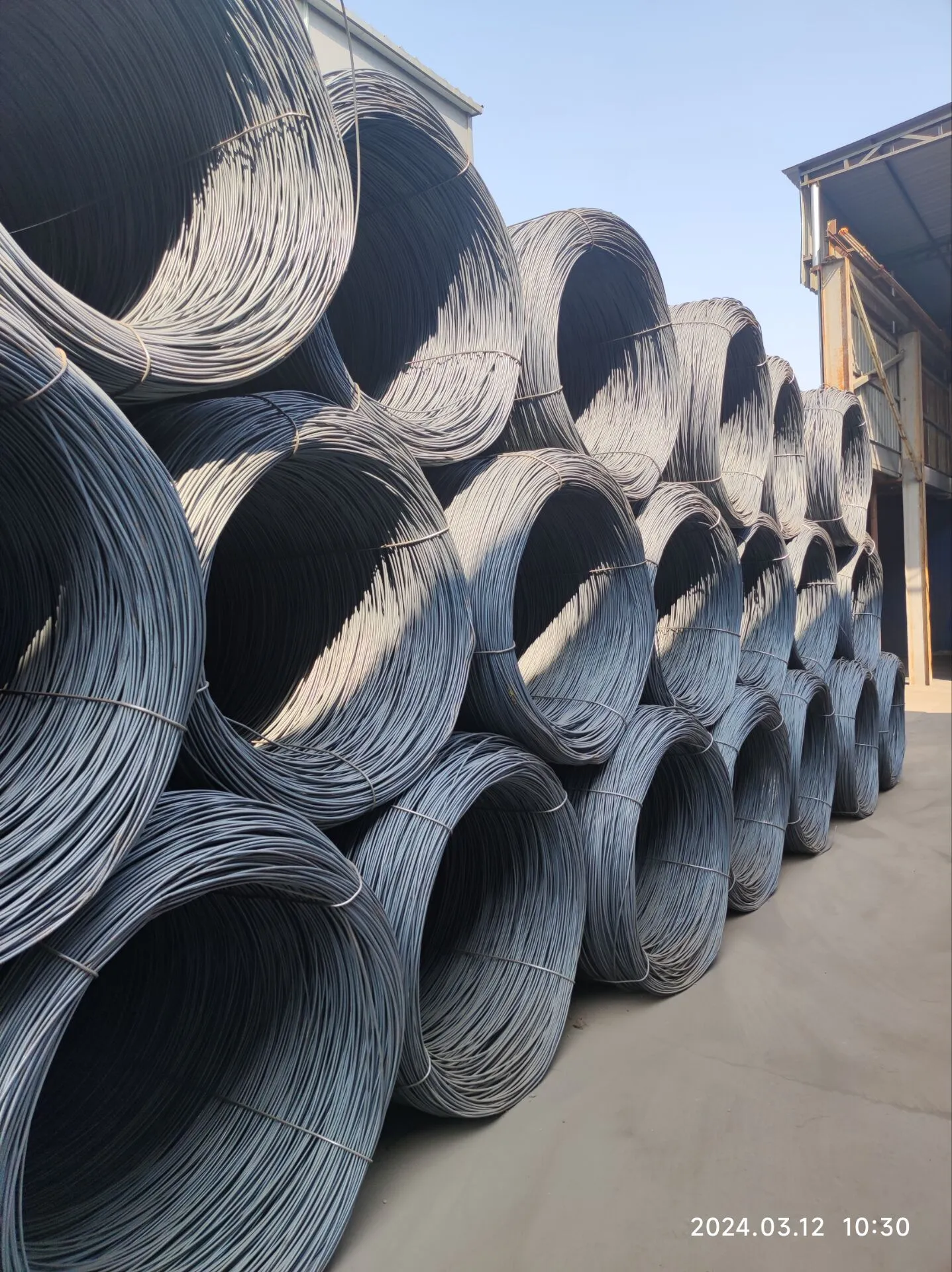
18 Gauge Galvanized Iron (GI) wire is a cold-formed ferrous metal product characterized by its diameter of 1.22mm (approximately equivalent to 16 AWG). It occupies a crucial position within the broader ferrous metal industry chain, serving as a foundational material in construction, agriculture, manufacturing, and various industrial applications. The galvanization process, involving a zinc coating, provides essential corrosion resistance, extending the lifespan of the wire in harsh environmental conditions. Core performance characteristics include tensile strength, ductility, formability, and its capacity to withstand environmental degradation. Its economic viability and robust performance profile make it a preferred choice over other ferrous wire options, particularly in applications requiring a balance of strength and cost-effectiveness. This guide provides a comprehensive technical overview, covering material science, manufacturing processes, performance engineering, failure modes, and relevant industry standards.
Material Science & Manufacturing
The raw material for 18 gauge GI wire is typically low-carbon steel, with a carbon content ranging from 0.05% to 0.15% by weight. This low carbon content ensures sufficient ductility for cold drawing operations. Other alloying elements present, albeit in small quantities, may include manganese (0.20-0.35%), silicon (0.05-0.20%), and phosphorus (less than 0.045%). These elements influence the steel’s strength, weldability, and formability. The manufacturing process begins with hot rolling of steel billets into wire rod. This wire rod undergoes subsequent cold drawing through a series of progressively smaller dies to achieve the final 1.22mm diameter. This cold working increases the tensile strength and hardness of the wire, but also reduces its ductility. Annealing, a heat treatment process, is often employed to restore ductility and relieve internal stresses induced by cold working. The crucial step is galvanization, typically achieved via hot-dip galvanizing. This involves immersing the wire in a molten zinc bath (typically 98% pure zinc with minor additions of aluminum and silicon) to create a metallurgical bond between the zinc and the steel substrate. The zinc coating thickness, a critical parameter affecting corrosion resistance, is typically controlled between 60-275 g/m², depending on the intended application. Precise control of the cooling rate following galvanization is essential to ensure a uniform and adherent zinc coating. Quality control measures at each stage, including chemical composition analysis, tensile testing, and coating thickness measurements, are integral to ensuring the final product meets specified standards.
Performance & Engineering
The performance of 18 gauge GI wire is primarily dictated by its mechanical properties and corrosion resistance. Tensile strength, typically ranging from 480-550 MPa, defines its load-bearing capacity. Yield strength, typically around 300 MPa, indicates the stress at which permanent deformation begins. Elongation at break, usually exceeding 15%, indicates the wire’s ductility and its ability to withstand deformation without fracturing. The zinc coating provides cathodic protection, meaning that the zinc corrodes preferentially to the steel, preventing the steel substrate from rusting. The effectiveness of this protection is dependent on the coating thickness and the surrounding environment. Applications involving exposure to chlorides (e.g., marine environments) require thicker coatings to counteract accelerated corrosion. Engineering considerations include fatigue resistance, especially in applications involving cyclical loading. Repeated bending or flexing can lead to fatigue cracking, initiating at surface imperfections or coating defects. Formability is another critical parameter; the wire must be capable of being bent, twisted, and formed into desired shapes without fracturing. Compliance requirements, such as RoHS (Restriction of Hazardous Substances) and REACH (Registration, Evaluation, Authorisation and Restriction of Chemicals) regulations, must be adhered to, ensuring the wire does not contain prohibited substances. Further, the wire’s suitability for welding applications must be considered, as the zinc coating can affect weld quality and require specific welding procedures.
Technical Specifications
| Parameter | Units | Typical Value | Testing Standard |
|---|---|---|---|
| Diameter | mm | 1.22 | ASTM A641 / ISO 9479-1 |
| Tensile Strength | MPa | 480-550 | ASTM A641 / ISO 9479-1 |
| Yield Strength | MPa | 300 | ASTM A641 / ISO 9479-1 |
| Elongation at Break | % | >15 | ASTM A641 / ISO 9479-1 |
| Zinc Coating Thickness | g/m² | 60-275 | ASTM B693 / ISO 9479-2 |
| Zinc Coating Adhesion | N/mm² | >55 | ASTM A780 / ISO 9479-2 |
Failure Mode & Maintenance
Common failure modes for 18 gauge GI wire include corrosion, fatigue cracking, and mechanical damage. Uniform corrosion occurs when the zinc coating is depleted, exposing the steel substrate to the environment. This process is accelerated in the presence of chlorides, sulfur dioxide, and acidic pollutants. Localized corrosion, such as white rust (zinc corrosion product) and red rust (iron oxide), can initiate at scratches, defects in the coating, or areas of stress concentration. Fatigue cracking is a concern in applications involving repeated bending or flexing. It initiates at surface imperfections and propagates under cyclical loading. Mechanical damage, such as cutting, abrasion, or impact, can compromise the integrity of the wire and accelerate corrosion. To mitigate failure, regular inspection is crucial. Visually inspect the wire for signs of corrosion, cracks, or coating damage. For outdoor applications, consider applying an additional protective coating, such as paint or epoxy, to enhance corrosion resistance. Avoid subjecting the wire to excessive bending or twisting, particularly in harsh environments. If damage is detected, replace the affected section of wire immediately. Proper storage is also important; store the wire in a dry, well-ventilated area to prevent corrosion. Periodic cleaning to remove accumulated dirt and contaminants can further extend the wire’s lifespan. In severe corrosion environments, cathodic protection systems may be implemented to further enhance corrosion resistance.
Industry FAQ
Q: What is the primary difference between Class 1, Class 2, and Class 3 galvanized wire, and how does it impact the selection for fencing applications?
A: The classification refers to the zinc coating weight (g/m²). Class 1 has the lightest coating (around 60 g/m²), Class 2 a medium coating (around 180 g/m²), and Class 3 the heaviest (around 275 g/m²). For fencing, the environment dictates the choice. Class 1 is suitable for dry, indoor applications. Class 2 is common for general outdoor fencing. Class 3 is essential in coastal areas, industrial zones with high pollution, or agricultural settings with corrosive fertilizers.
Q: How does the cold working process during manufacturing affect the ductility of the 18 gauge GI wire, and what steps are taken to address this?
A: Cold drawing increases strength and hardness but reduces ductility, making the wire brittle. This is addressed through annealing – a heat treatment process that restores ductility by relieving internal stresses and allowing the grain structure to re-align. The annealing temperature and duration are carefully controlled to achieve the desired balance between strength and ductility.
Q: Can 18 gauge GI wire be welded, and if so, what welding procedures are recommended to ensure a sound weld?
A: Yes, but the zinc coating presents challenges. The zinc vaporizes during welding, creating fumes and potentially affecting weld quality. Recommended procedures include using a degreasing agent to remove oils and contaminants, employing a low-hydrogen welding process (e.g., SMAW with low-hydrogen electrodes, GMAW with shielding gas), and ensuring adequate ventilation. The weld should be thoroughly cleaned after welding to remove any residual zinc oxides.
Q: What are the limitations of relying solely on zinc coating for corrosion protection, and when should supplementary protection methods be considered?
A: The zinc coating provides sacrificial protection, but its effectiveness diminishes over time as the zinc corrodes. In severely corrosive environments (e.g., continuous exposure to saltwater, acidic rainfall), the zinc will eventually be depleted. Supplementary protection, such as painting, epoxy coating, or utilizing a more corrosion-resistant alloy, should be considered to extend the wire’s lifespan significantly.
Q: How does the steel substrate’s chemical composition impact the galvanizing process and the final corrosion resistance of the 18 gauge GI wire?
A: The steel’s composition influences the formation of the zinc-iron alloy layer during galvanizing. Silicon and manganese in the steel promote alloy formation, enhancing adhesion and improving corrosion resistance. Phosphorus, however, can negatively impact galvanizing, leading to a brittle coating. Controlling the steel’s chemistry within specified ranges is crucial for achieving a high-quality galvanized coating.
Conclusion
18 gauge galvanized iron wire represents a critical component across diverse industrial sectors, offering a cost-effective and reliable solution for applications requiring tensile strength, ductility, and corrosion resistance. The manufacturing process, from steel billet selection to hot-dip galvanizing, demands rigorous quality control to ensure consistent performance. Understanding the material science principles underpinning its properties and the potential failure modes is crucial for effective application and maintenance.
Future advancements in GI wire technology may focus on developing more environmentally friendly galvanizing processes, exploring alternative coating materials to enhance corrosion resistance, and optimizing steel alloys to improve mechanical properties. Continued research and development in these areas will further solidify the position of 18 gauge GI wire as a versatile and essential material in modern infrastructure and manufacturing.