



Introduction
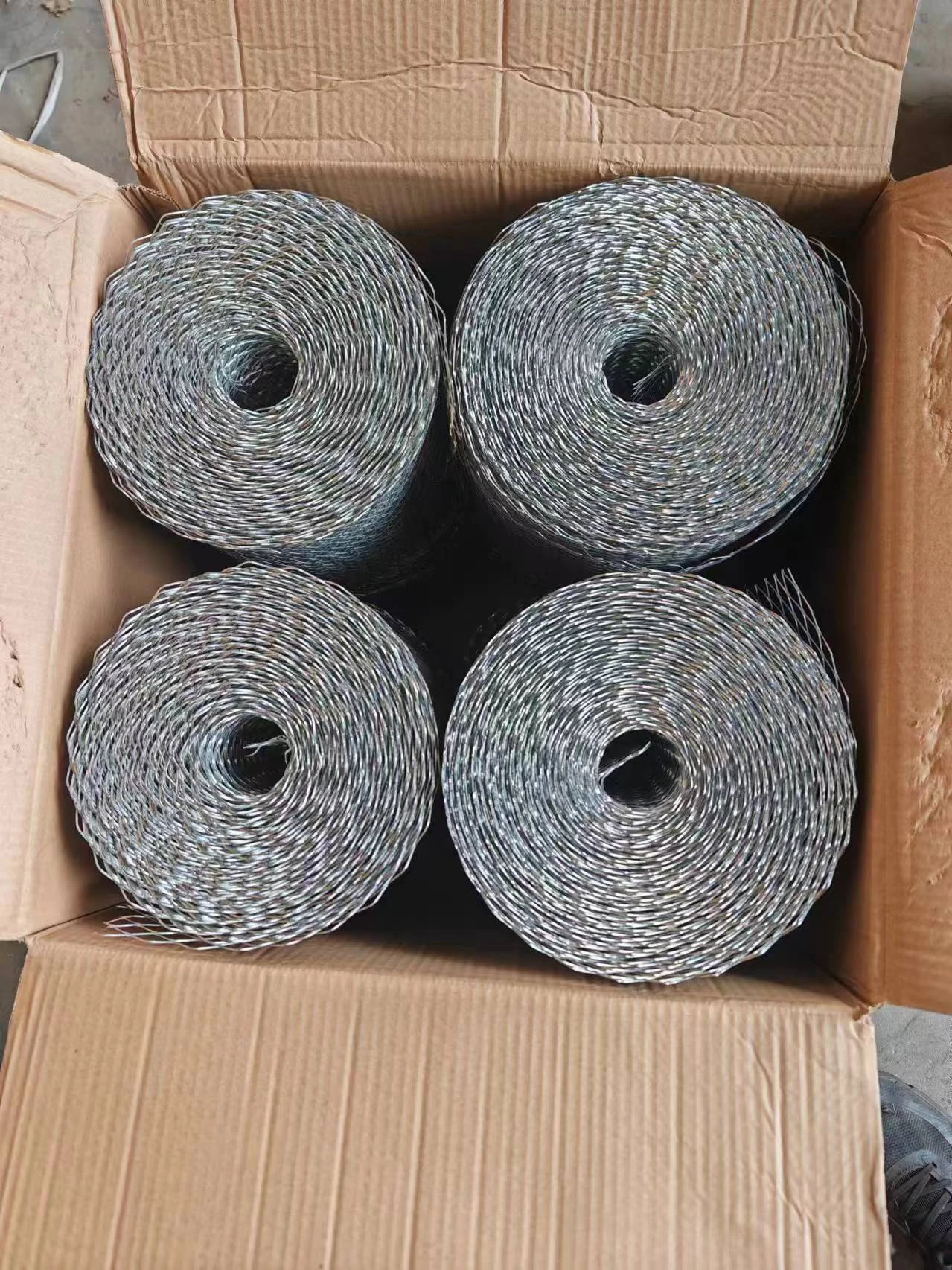
19 gauge chicken wire, formally known as woven wire mesh, is a ubiquitous construction and agricultural material. Characterized by its open hexagonal weave, it serves primarily as an exclusion barrier for poultry, livestock, and garden protection. Its designation "19 gauge" refers to the wire diameter, a critical parameter defining its tensile strength and overall durability. Within the broader wire mesh industry, 19 gauge chicken wire represents a balance between cost-effectiveness and functional performance, positioned as a common grade for applications where extreme load-bearing or security isn't paramount. Its manufacturing process, typically involving galvanization, provides a degree of corrosion resistance, extending its service life in outdoor environments. The core performance characteristics – mesh size, wire gauge, and coating type – directly influence its suitability for specific applications and are therefore key considerations for procurement and engineering.
Material Science & Manufacturing
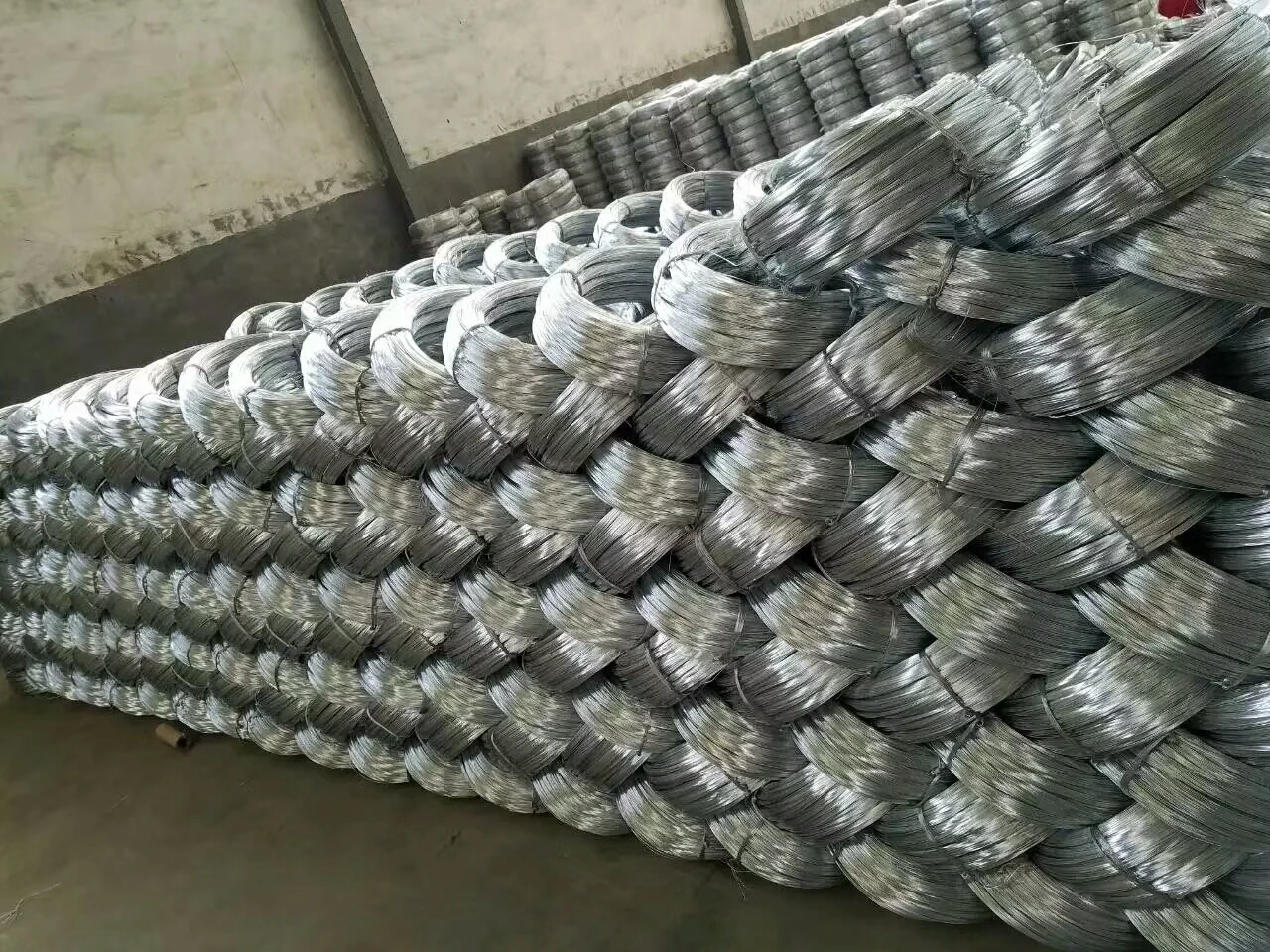
The primary raw material for 19 gauge chicken wire is low-carbon steel wire. This steel typically contains a carbon content ranging from 0.05% to 0.15% by weight, providing sufficient ductility for the weaving process. Other constituent elements, such as manganese, sulfur, and phosphorus, are present in controlled quantities to refine the mechanical properties. Manufacturing begins with the drawing of steel rods into the desired 19 gauge (approximately 1.07 mm diameter) wire. This drawing process work-hardens the steel, increasing its tensile strength but reducing its ductility. Subsequent annealing may be employed to restore ductility. The core manufacturing process is a specialized form of weaving. Wires are twisted around each other in a hexagonal pattern, utilizing a series of rotating spools and shuttles. Precise control of wire tension and twist pitch is crucial to achieving a consistent mesh size and structural integrity. Following weaving, the chicken wire undergoes galvanization, typically hot-dip galvanization. This involves immersing the woven mesh in molten zinc, creating a protective zinc coating. The zinc acts as a sacrificial anode, corroding preferentially to the steel and preventing rust formation. The quality of the galvanization is determined by the zinc coating thickness, measured in grams per square meter (g/m²). Parameter control during galvanization – including zinc bath temperature, immersion time, and cooling rate – directly impacts coating adhesion and longevity. Alternative coatings, such as PVC coating, are also applied to enhance corrosion resistance and provide color coding.
Performance & Engineering
The performance of 19 gauge chicken wire is governed by its mechanical properties, particularly tensile strength and elongation. Tensile strength, typically in the range of 350-450 MPa for galvanized steel wire, dictates the load the wire can withstand before breaking. Elongation, a measure of ductility, indicates the amount of deformation the wire can undergo before fracturing. Environmental resistance is paramount, especially in outdoor applications. The galvanization process significantly enhances corrosion resistance, but exposure to saltwater or acidic environments can accelerate corrosion. The rate of corrosion depends on the zinc coating thickness and the ambient conditions. Engineering considerations involve determining the appropriate mesh size for the intended application. Smaller mesh sizes provide greater containment but reduce visibility and increase material cost. The selection of the appropriate gauge (wire diameter) is critical for ensuring sufficient strength to withstand anticipated loads, such as wind pressure or animal impact. Force analysis must account for both static and dynamic loads. Compliance requirements vary depending on the application. For example, poultry housing applications may necessitate compliance with specific biosecurity standards, dictating mesh size and material properties to prevent disease transmission. Similarly, agricultural fencing may be subject to local regulations regarding fence height and construction.
Technical Specifications
| Parameter | Specification | Testing Standard | Typical Value |
|---|---|---|---|
| Wire Gauge | 19 Gauge (1.07 mm) | ASTM A641 | 1.07 mm ± 0.03 mm |
| Mesh Size | 1 inch, 1/2 inch, 1/4 inch | ASTM E203 | 1 inch (25.4 mm) |
| Tensile Strength | Minimum 350 MPa | ASTM A641 | 400 MPa |
| Elongation | Minimum 12% | ASTM A641 | 15% |
| Zinc Coating Weight | Class 3 (160 g/m²) | ASTM A646 | 170 g/m² |
| Wire Material | Low Carbon Steel (e.g., SAE 1008) | ASTM A641 | SAE 1008 |
Failure Mode & Maintenance
The primary failure modes of 19 gauge chicken wire include corrosion, fatigue cracking, and mechanical damage. Corrosion, particularly in the absence of adequate galvanization or with damaged coatings, leads to wire weakening and eventual breakage. Saltwater environments accelerate this process. Fatigue cracking can occur due to repeated bending or flexing, especially in areas of high stress concentration, such as wire junctions. Mechanical damage, such as cuts, tears, or punctures, can compromise the structural integrity of the mesh. Overstretching during installation can also induce stress and promote premature failure. Maintenance involves regular inspection for signs of corrosion, damage, or sagging. Damaged sections should be repaired promptly by replacing the affected wire or patching the mesh. Re-galvanization can extend the service life of the wire, but may be impractical for extensive installations. Application of a protective coating, such as paint or sealant, can provide an additional barrier against corrosion. Proper installation techniques – avoiding overstretching and ensuring adequate support – are crucial for preventing premature failure. Routine cleaning to remove dirt, debris, and corrosive substances can also prolong service life. When storing chicken wire, it should be kept dry and protected from the elements.
Industry FAQ
Q: What is the impact of mesh size on the overall strength of the 19 gauge chicken wire?
A: Smaller mesh sizes generally result in increased overall strength. While the individual wire gauge remains constant, a tighter weave distributes stresses more evenly across the material, increasing its resistance to tearing and deformation. However, this comes at the cost of reduced visibility and potentially increased material cost.
Q: How does the galvanization process affect the long-term performance of the chicken wire in coastal environments?
A: While galvanization provides significant corrosion resistance, coastal environments with high salt concentrations present a challenging service condition. The salt accelerates the corrosion of the zinc coating. Thicker zinc coatings (higher class galvanization) offer longer protection, but eventual corrosion is inevitable. Consideration should be given to alternative coatings like PVC or stainless steel for prolonged service life in such environments.
Q: What is the difference between hot-dip galvanization and electro-galvanization and which is preferable for chicken wire?
A: Hot-dip galvanization provides a thicker, more durable zinc coating and superior corrosion protection compared to electro-galvanization. This makes it the preferred method for chicken wire applications, especially those exposed to harsh outdoor conditions. Electro-galvanization results in a thinner, more uniform coating but offers less resistance to corrosion.
Q: Can 19 gauge chicken wire be used for load-bearing applications, such as retaining walls?
A: Generally, 19 gauge chicken wire is not suitable for primary load-bearing applications like retaining walls. While it can provide some containment, its tensile strength is insufficient to withstand significant lateral earth pressures. It may be used as a secondary reinforcement element within a more robust retaining wall structure, but should not be relied upon as the primary support.
Q: What are the typical failure mechanisms observed in PVC-coated 19 gauge chicken wire?
A: While PVC coating enhances corrosion resistance, failure mechanisms can include UV degradation of the PVC, leading to brittleness and cracking. The PVC coating can also become detached from the underlying steel wire, exposing it to corrosion. Mechanical damage can also compromise the integrity of the coating, allowing corrosion to initiate at the exposed steel.
Conclusion
19 gauge chicken wire remains a widely utilized material due to its cost-effectiveness and adequate performance for a range of non-critical applications. Its manufacturing process, rooted in established wire weaving and galvanization techniques, provides a practical balance between material properties and production costs. Understanding the interplay between material science – specifically steel composition and coating selection – and engineering principles, such as force analysis and environmental considerations, is critical for ensuring proper specification and longevity.
Continued advancements in coating technologies and alternative materials may lead to the development of more durable and corrosion-resistant alternatives, but 19 gauge chicken wire is likely to remain a staple in the construction, agricultural, and containment industries for the foreseeable future. Proactive maintenance, regular inspections, and adherence to proper installation techniques are essential for maximizing its service life and minimizing the risk of premature failure.