



Introduction
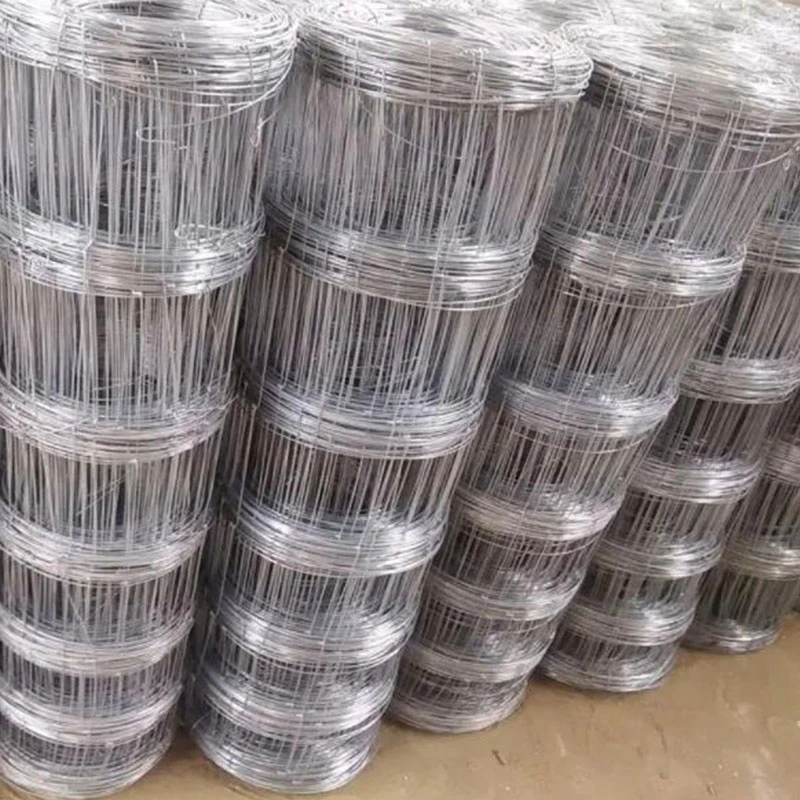
1mm garden wire, typically constructed from low-carbon steel, occupies a critical niche within horticultural and light industrial applications. Positioned within the broader wire products industry chain, it functions as a versatile binding and support material. Its primary performance characteristics revolve around tensile strength, ductility, and corrosion resistance, all impacting its longevity and usability in outdoor environments. Core industry pain points relate to inconsistent zinc coating quality leading to rapid corrosion, variations in wire diameter impacting strength and ease of use, and the prevalence of substandard materials offering reduced lifespan and increased breakage rates. This guide provides an in-depth technical assessment of 1mm garden wire, covering material science, manufacturing processes, performance parameters, failure modes, and relevant industry standards.
Material Science & Manufacturing
The predominant raw material for 1mm garden wire is low-carbon steel (typically SAE 1008 or similar), selected for its balance of cost, ductility, and tensile strength. Key physical properties include a density of approximately 7.87 g/cm³, a Young's modulus around 200 GPa, and a yield strength varying from 220-350 MPa depending on processing. The steel undergoes hot rolling to achieve the initial wire diameter, followed by wire drawing – a process of pulling the wire through a series of progressively smaller dies – to attain the final 1mm dimension. Crucially, die lubrication is critical during wire drawing to minimize friction and prevent surface defects. Post-drawing, the wire is typically annealed to relieve internal stresses induced by the deformation process. Following annealing, galvanization is applied to provide corrosion resistance. This is commonly achieved via hot-dip galvanization, where the wire is immersed in a molten zinc bath. The zinc coating thickness is a key parameter, influencing the long-term corrosion protection. Chemical compatibility with common garden chemicals (fertilizers, pesticides) must be considered; certain formulations can accelerate zinc corrosion. Quality control throughout manufacturing includes diameter measurements using laser micrometers, tensile testing to verify strength specifications, and zinc coating thickness assessment via eddy current testing.
Performance & Engineering
The primary engineering function of 1mm garden wire is to provide tensile support for plant stems, vines, and other garden elements. Force analysis dictates that the wire must withstand static loads (weight of the plant) and dynamic loads (wind gusts, rain). The allowable tensile load is directly related to the wire's cross-sectional area and yield strength. Environmental resistance is paramount, particularly regarding corrosion. The zinc coating acts as a sacrificial anode, corroding preferentially to the steel substrate. The rate of zinc corrosion is influenced by atmospheric humidity, salt spray (coastal environments), and the presence of acidic pollutants. Compliance requirements, while not typically subject to stringent regulatory oversight, often involve adherence to general product safety standards and, increasingly, sustainability considerations relating to material sourcing and manufacturing processes. The bending radius of the wire is also a critical performance parameter; excessive bending can lead to fatigue cracking, particularly in galvanized coatings. Furthermore, the wire’s ductility directly impacts its ability to be shaped and tied without fracturing. Long-term creep deformation under sustained load must be accounted for in applications requiring prolonged support.
Technical Specifications
| Parameter | Units | Typical Value | Testing Standard |
|---|---|---|---|
| Nominal Diameter | mm | 1.0 | ISO 288-1 |
| Tensile Strength | MPa | 300-400 | ASTM A653 |
| Yield Strength | MPa | 220-350 | ASTM A653 |
| Elongation at Break | % | 15-25 | ASTM A653 |
| Zinc Coating Thickness | µm | 40-60 | ASTM B693 |
| Corrosion Resistance (Salt Spray Test) | hours | 72-144 | ASTM B117 |
Failure Mode & Maintenance
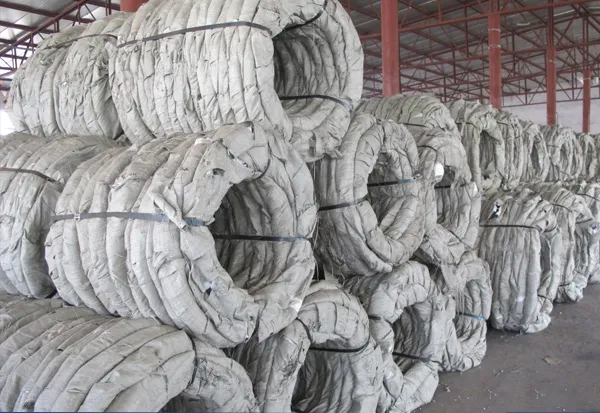
Common failure modes for 1mm garden wire include: 1) Corrosion: The most prevalent failure mechanism, initiated by the breakdown of the zinc coating exposing the steel to the environment. This leads to rust formation and ultimately, wire fracture. 2) Fatigue Cracking: Repeated bending or flexing, especially at points of contact with plant stems or supports, can induce fatigue cracks in the wire, eventually causing breakage. 3) Overloading: Exceeding the wire's tensile strength through excessive weight or wind load results in immediate fracture. 4) Hydrogen Embrittlement: Exposure to acidic environments (certain fertilizers) can promote hydrogen absorption into the steel, leading to embrittlement and reduced ductility. 5) Galvanic Corrosion: If the wire is in contact with dissimilar metals in a moist environment, galvanic corrosion can occur, accelerating the corrosion process. Maintenance primarily focuses on preventative measures. Regularly inspecting the wire for signs of corrosion (white rust or reddish-brown discoloration) is crucial. Applying a protective coating (e.g., a light oil film) can enhance corrosion resistance. Avoiding excessive bending and ensuring proper support to distribute loads minimizes fatigue cracking. Replacing corroded or damaged wire promptly prevents catastrophic failure and ensures the continued safety of plants and structures. Proper storage in a dry environment prevents premature corrosion.
Industry FAQ
Q: What is the significance of the zinc coating thickness, and how does it relate to the wire’s lifespan?
A: The zinc coating thickness is directly proportional to the wire’s corrosion resistance and, consequently, its lifespan. A thicker coating provides a greater sacrificial barrier, delaying the onset of steel corrosion. However, there’s a point of diminishing returns; excessively thick coatings can be brittle and prone to cracking. The optimal thickness typically falls within the 40-60 µm range as defined by ASTM B693, providing a balance between corrosion protection and coating durability.
Q: We’ve experienced premature breakage in some batches of wire. What could be the root cause?
A: Premature breakage can stem from several factors. Common causes include: 1) Substandard steel quality with lower tensile strength; 2) Inconsistent zinc coating application leading to areas with insufficient protection; 3) Hydrogen embrittlement due to exposure to acidic environments; 4) Manufacturing defects such as micro-cracks introduced during wire drawing. A thorough material analysis and coating inspection are recommended to identify the specific cause.
Q: What is the impact of saltwater exposure on the longevity of the wire?
A: Saltwater exposure significantly accelerates the corrosion process. Chloride ions penetrate the zinc coating, creating localized corrosion cells and promoting the breakdown of the protective layer. In coastal environments, the lifespan of the wire can be reduced by up to 50% without additional protective measures. Using a heavier zinc coating or applying a supplementary corrosion inhibitor is advisable in such locations.
Q: How does the wire’s ductility affect its performance in tying applications?
A: Ductility is critical for tying applications. Highly ductile wire can be easily bent and shaped around plant stems or supports without fracturing. Low ductility increases the risk of breakage during tying, especially with tightly curved applications. The elongation at break percentage specified in ASTM A653 is a key indicator of ductility.
Q: Are there alternative corrosion protection methods besides galvanization?
A: Yes, alternatives include: 1) Polymer coating (PVC or polyethylene) – provides a physical barrier against corrosion, but can be less durable than galvanization; 2) Aluminum coating – offers excellent corrosion resistance but is more expensive; 3) Zinc-aluminum alloy galvanizing (Galvalume) – provides superior corrosion protection compared to standard galvanization. The choice depends on the specific application requirements and budget constraints.
Conclusion
1mm garden wire, while seemingly simple, is a product governed by fundamental material science principles and manufacturing controls. Its performance relies critically on the quality of the steel, the integrity of the zinc coating, and the understanding of potential failure modes. Addressing industry pain points – inconsistent coating quality, variations in diameter, and substandard materials – demands rigorous quality assurance throughout the production process.
Future developments may focus on enhancing corrosion resistance through advanced coating technologies and exploring more sustainable material options. Optimizing the balance between strength, ductility, and corrosion protection will remain paramount, alongside adherence to evolving environmental regulations. Ultimately, informed selection and proper application are key to maximizing the lifespan and effectiveness of this versatile horticultural tool.