



Introduction
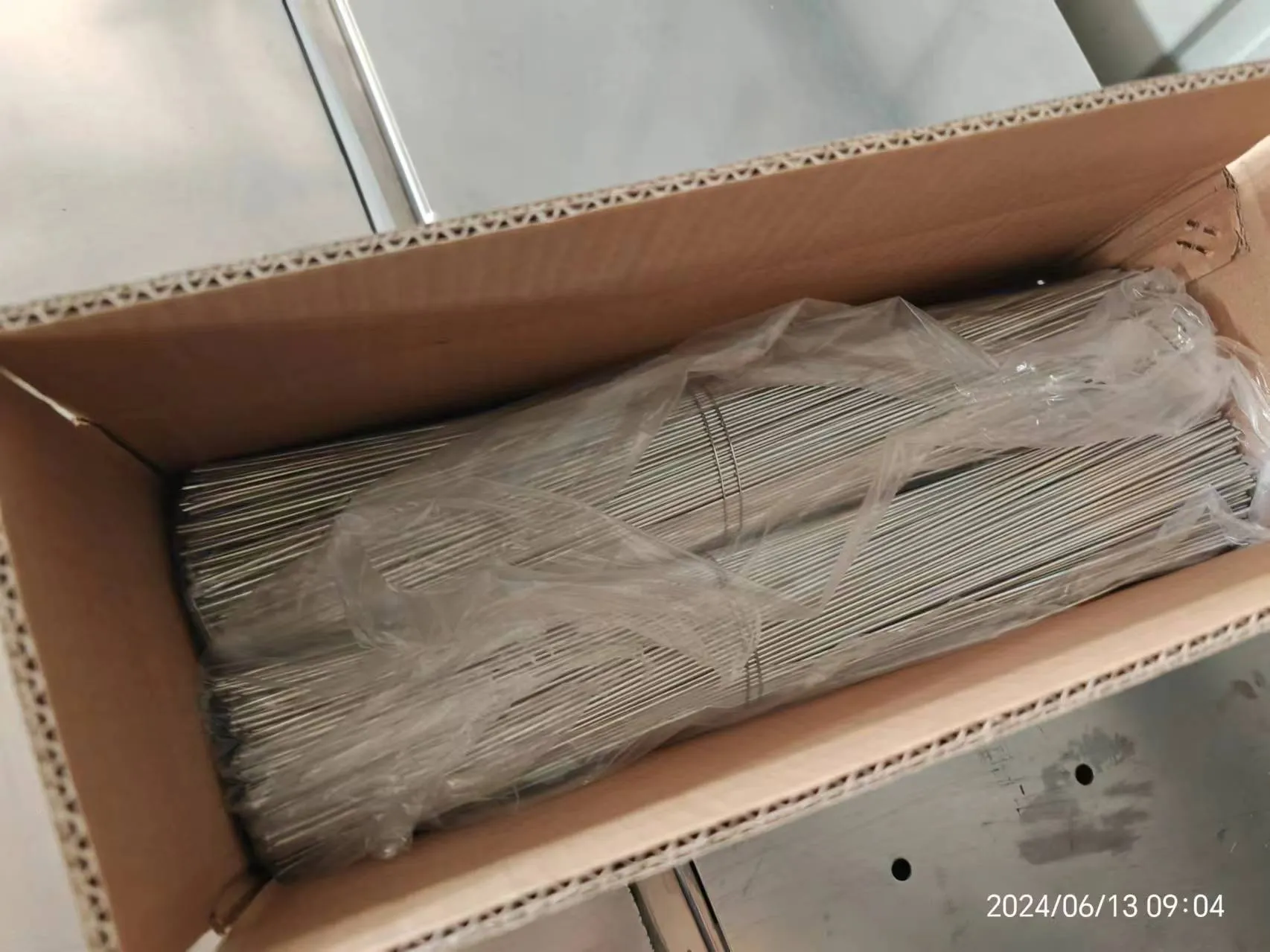
2.5 mm galvanised wire is a ubiquitous fastening and construction material, predominantly composed of carbon steel core wire coated with a protective layer of zinc. Its position within the industry chain spans raw material sourcing (iron ore, zinc), steel production, wire drawing, and finally, the galvanisation process. The core performance characteristics – tensile strength, ductility, corrosion resistance, and formability – dictate its suitability for diverse applications including fencing, construction reinforcement, cable armouring, agricultural support, and general purpose binding. Galvanisation provides a critical barrier against corrosion, extending the service life of the steel and mitigating costly replacements, especially in harsh environmental conditions. The 2.5mm diameter represents a common balance between strength, flexibility, and cost-effectiveness, making it a widely adopted standard in many sectors. Understanding the nuances of its material science, manufacturing processes, and performance parameters is critical for engineers and procurement professionals to ensure optimal application and long-term reliability.
Material Science & Manufacturing
The foundation of 2.5 mm galvanised wire lies in its constituent materials. Typically, the core wire is low-carbon steel (e.g., SAE 1008, 1018), selected for its balance of tensile strength and ductility. Key physical properties of the steel include a tensile strength ranging from 370-550 MPa, yield strength of approximately 250 MPa, and elongation at break between 15-25%. The zinc coating, crucial for corrosion protection, is usually applied via hot-dip galvanisation. This process involves immersing the cleaned steel wire into a bath of molten zinc (98% purity or higher). The zinc metallurgically bonds with the steel surface, forming a series of zinc-iron alloy layers, followed by an outer layer of pure zinc. Manufacturing tolerances for wire diameter are typically +/- 0.02 mm, demanding precise control during the wire drawing process. Critical parameters in galvanisation include bath temperature (450-460°C), immersion time (several seconds to a minute depending on wire speed and coating thickness), and cooling rate. Variations in these parameters significantly impact coating thickness, uniformity, and adherence. Chemical composition control is also vital; impurities in the steel, such as sulphur and phosphorus, can hinder zinc adhesion. Pre-treatment of the steel wire – pickling (acid cleaning), fluxing – is essential to remove surface oxides and promote proper zinc bonding. Post-galvanisation treatments, such as passivation, can further enhance corrosion resistance.
Performance & Engineering
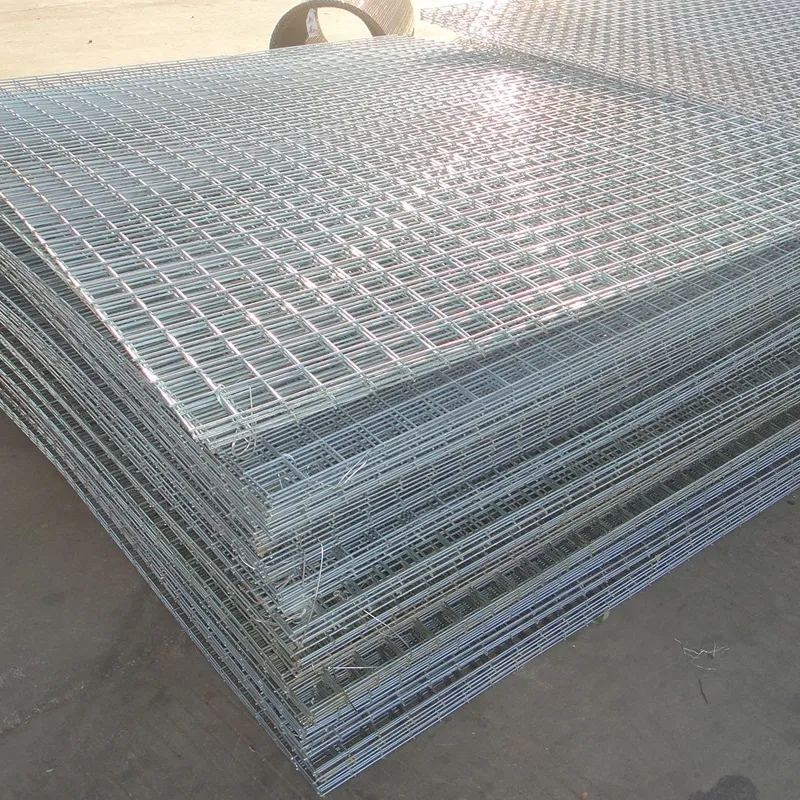
The performance of 2.5 mm galvanised wire is largely governed by its mechanical properties and corrosion resistance. Force analysis in applications like fencing requires consideration of tensile load, wind load, and potential impact forces. The wire must withstand these stresses without permanent deformation or fracture. Finite element analysis (FEA) can be employed to model stress distribution and optimize wire gauge selection for specific load scenarios. Environmental resistance is paramount. Galvanisation provides cathodic protection: the zinc corrodes preferentially to the steel, even if the coating is scratched or damaged. However, the rate of zinc corrosion is influenced by environmental factors – salinity, humidity, temperature, and exposure to industrial pollutants. In marine environments, for example, the corrosion rate is significantly higher. Compliance requirements vary by industry and region. Agricultural applications may require wire with specific tensile strength to support plant growth, while construction applications must adhere to building codes and safety standards. The zinc coating thickness is a key performance parameter, typically measured in grams per square meter (g/m²). Higher coating weights provide increased corrosion protection but also increase cost. Formability – the wire's ability to be bent, twisted, and shaped without fracturing – is important in applications involving wire fabrication. This property is affected by steel composition, wire drawing process, and zinc coating characteristics. Long-term creep performance, particularly under sustained tensile loads, must also be considered for certain applications.
Technical Specifications
| Parameter | Typical Value | Test Method | Tolerance |
|---|---|---|---|
| Nominal Diameter | 2.5 mm | Micrometer | ±0.02 mm |
| Tensile Strength | 450 MPa | ASTM A6 / EN 10002-1 | ±30 MPa |
| Yield Strength | 280 MPa | ASTM A6 / EN 10002-1 | ±20 MPa |
| Elongation at Break | 18% | ASTM A6 / EN 10002-1 | ±3% |
| Zinc Coating Weight | 60 - 80 g/m² | ASTM B693 / EN 10244-2 | ±10 g/m² |
| Zinc Coating Thickness | 8 - 12 µm | ASTM B693 / EN 10244-2 | ±1 µm |
Failure Mode & Maintenance
Several failure modes can affect the service life of 2.5 mm galvanised wire. Hydrogen embrittlement, occurring during the pickling process, can reduce ductility and lead to premature fracture under tensile stress. White rust (zinc oxide corrosion) can form in humid environments, depleting the zinc layer and accelerating steel corrosion. Crevice corrosion can occur in areas where moisture and contaminants accumulate, such as under fasteners or in bent sections. Fatigue cracking can develop under cyclic loading, especially in applications involving repeated bending or vibration. Galvanisation coating defects – porosity, inclusions, non-uniformity – can create localized corrosion initiation points. Maintenance strategies include regular visual inspection for signs of corrosion (red rust, white rust, coating damage). Damaged areas can be addressed with zinc-rich paint or localized re-galvanisation. For applications exposed to harsh chemicals, periodic cleaning and application of protective coatings may be necessary. Avoiding bending the wire excessively, especially at sharp angles, can minimize stress concentration and prevent fatigue cracking. Proper storage – dry, ventilated environment – is crucial to prevent white rust formation. In cases of significant corrosion, replacement of the wire is the most reliable solution. Failure analysis, including microscopic examination of fracture surfaces, can help identify the root cause of failures and prevent recurrence.
Industry FAQ
Q: What is the impact of varying zinc coating weights on the long-term corrosion resistance of 2.5mm galvanised wire?
A: Increasing the zinc coating weight directly correlates with enhanced corrosion resistance, up to a certain point. A heavier coating provides a larger sacrificial barrier, extending the time before the underlying steel is exposed to corrosive elements. However, the relationship isn't linear; doubling the coating weight doesn't necessarily double the service life. Factors such as the environment (salinity, pollution) and the quality of the galvanisation process play significant roles. Beyond a certain thickness, the incremental benefit diminishes, while the cost increases. ASTM B693 and EN 10244-2 specify different coating classes based on anticipated exposure conditions.
Q: How does the steel's carbon content influence the formability and weldability of 2.5 mm galvanised wire?
A: Higher carbon content generally increases the steel’s tensile strength but reduces its ductility and weldability. Low-carbon steel, commonly used for 2.5mm galvanised wire, provides a better balance between strength and formability. Welding galvanised wire requires special considerations, as the zinc coating can produce harmful fumes. The carbon content affects the heat-affected zone during welding and can influence the formation of brittle microstructures. Pre-grinding to remove the zinc coating is often necessary for reliable welding.
Q: What are the primary differences between hot-dip galvanisation and electrogalvanisation in terms of coating quality and corrosion protection?
A: Hot-dip galvanisation, as typically used for 2.5mm wire, produces a thicker, more robust coating with superior metallurgical bonding to the steel. It offers excellent barrier protection and sacrificial corrosion resistance. Electrogalvanisation, while providing a smoother and more uniform coating, generally results in a thinner coating with less sacrificial protection. It’s often used for applications requiring precise coating thickness and aesthetic appearance. Hot-dip galvanisation is generally preferred for applications demanding long-term corrosion resistance in harsh environments.
Q: Can 2.5mm galvanised wire be used in direct contact with concrete, and what potential corrosion issues should be considered?
A: While galvanised wire can be used in contact with concrete, it's not ideal without appropriate precautions. Concrete is alkaline, which can accelerate zinc corrosion. The presence of chlorides (from de-icing salts or marine environments) further exacerbates the problem. Using a high-zinc coating weight, employing a passivated coating, or providing a physical barrier (e.g., epoxy coating) between the wire and concrete can mitigate corrosion. Regular monitoring for signs of corrosion is also crucial.
Q: What is the significance of the annealing process following wire drawing, and how does it affect the wire's properties?
A: Annealing is a heat treatment process applied after wire drawing to relieve internal stresses induced during the deformation process. These stresses can reduce ductility and increase the risk of fracture. Annealing restores the wire’s ductility, improves its formability, and enhances its overall toughness. The annealing temperature and cooling rate are carefully controlled to achieve the desired microstructure and mechanical properties. Without annealing, the wire would be brittle and prone to cracking during bending or twisting.
Conclusion
2.5 mm galvanised wire remains a vital component across numerous industries due to its combination of strength, corrosion resistance, and cost-effectiveness. The quality of the final product is intrinsically linked to the careful control of material selection, manufacturing parameters, and adherence to industry standards. A thorough understanding of the material science underpinning its performance – particularly the interplay between the steel core and the zinc coating – is crucial for engineers and procurement professionals.
Future advancements may focus on refining galvanisation techniques, exploring alternative coating materials (e.g., zinc-aluminium alloys), and developing more sophisticated corrosion monitoring systems. Continued research into the long-term performance of galvanised wire in diverse environments will be essential to optimize its applications and ensure its continued relevance as a foundational engineering material.