



Introduction
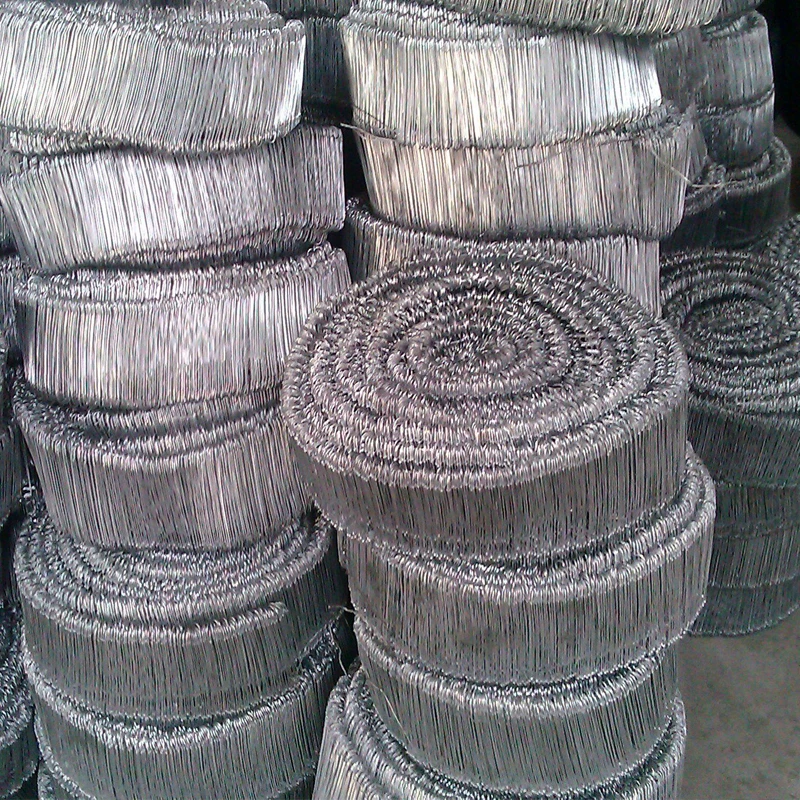
2.5 mm Galvanized Iron (GI) wire is a carbon steel wire coated with a protective layer of zinc. Its primary function is to provide corrosion resistance, enhancing durability and extending service life in a wide range of applications. Positioned within the broader metal products industry, GI wire serves as a critical component in construction, agriculture, telecommunications, and various manufacturing processes. The 2.5 mm diameter represents a common size offering a balance between tensile strength and flexibility, making it suitable for applications such as fencing, binding, cabling, and reinforcement. Core performance characteristics include tensile strength, yield strength, elongation, zinc coating thickness, and resistance to corrosive environments. The industry's key pain points involve consistent zinc coating quality, ensuring adequate ductility to prevent breakage during forming, and minimizing hydrogen embrittlement during the galvanizing process.
Material Science & Manufacturing
The raw material for 2.5 mm GI wire is typically low-carbon steel, possessing a carbon content between 0.08% and 0.15% by weight. This grade ensures sufficient ductility for wire drawing while maintaining adequate strength. Key physical properties of the steel include a density of approximately 7.85 g/cm³, a Young's modulus of 200 GPa, and a Poisson’s ratio of 0.3. The zinc used for coating is commonly 99.995% pure zinc ingot. Manufacturing commences with hot rolling of steel billets into wire rod. This is followed by pickling to remove mill scale and surface impurities. The wire rod undergoes several stages of cold drawing through progressively smaller dies to achieve the desired 2.5 mm diameter. Critical parameters during drawing include die angle, drawing speed, and lubrication to minimize friction and prevent breakage. Galvanization is typically achieved via the hot-dip process, where the wire is passed through a bath of molten zinc. The steel-zinc metallurgical reaction forms a series of zinc-iron alloy layers, providing cathodic protection to the steel substrate. Process control is vital, focusing on bath temperature (450-460°C), immersion time, and cooling rate to achieve uniform coating thickness and minimize the formation of defects such as dross or uneven coating. A post-treatment, often involving passivation, may be applied to enhance corrosion resistance.
Performance & Engineering
The performance of 2.5 mm GI wire is dictated by its mechanical and corrosion resistance properties. Tensile strength typically ranges from 380 to 550 MPa, depending on the steel grade and drawing process. Yield strength is approximately 250-350 MPa. Elongation at break usually falls between 12% and 20%. Force analysis in typical applications, such as fencing, considers the tensile load imposed by wind, snow, and physical contact. The wire must withstand these forces without permanent deformation or fracture. Environmental resistance is directly correlated with the zinc coating thickness. A minimum coating thickness of 60 g/m² is generally required for moderate corrosion environments, while more aggressive environments necessitate coatings exceeding 275 g/m². Compliance requirements vary by region but generally adhere to standards such as ASTM A641 (US), EN 10244-2 (Europe), and GB/T 12706 (China). These standards specify requirements for chemical composition, mechanical properties, coating thickness, and adhesion. Hydrogen embrittlement, induced during the pickling and galvanizing stages, is a critical concern. This phenomenon reduces ductility and can lead to premature failure, especially under tensile stress. Post-treatment baking can be implemented to mitigate hydrogen embrittlement.
Technical Specifications
| Parameter | Typical Value (Units) | Test Method | Application Relevance |
|---|---|---|---|
| Diameter | 2.5 mm | Micrometer | Dimensional compatibility with fittings & supports |
| Tensile Strength | 400-500 MPa | ASTM A641 | Load-bearing capacity, resistance to breakage |
| Yield Strength | 280-350 MPa | ASTM A641 | Resistance to permanent deformation |
| Elongation | 15-20 % | ASTM A641 | Ductility, formability |
| Zinc Coating Thickness | 60-275 g/m² | ASTM B693 | Corrosion protection level |
| Zinc Coating Adhesion | Pass (No Separation) | ASTM A780 | Long-term corrosion protection reliability |
Failure Mode & Maintenance
Common failure modes for 2.5 mm GI wire include corrosion, mechanical fatigue, and breakage. Corrosion occurs when the zinc coating is depleted, exposing the steel substrate to the environment. This can manifest as red rust, leading to weakening and eventual failure. Mechanical fatigue arises from repeated bending or tensile stress, leading to crack initiation and propagation. Breakage can result from overloads, brittle fracture (often linked to hydrogen embrittlement), or defects in the wire. Failure analysis should begin with visual inspection to identify the type and location of the damage. Microscopic examination can reveal the presence of corrosion products, cracks, or metallurgical defects. Regular maintenance involves inspecting the wire for signs of corrosion or damage. Damaged sections should be replaced promptly. Periodic cleaning to remove dirt and debris can help to maintain the integrity of the zinc coating. In heavily corrosive environments, supplemental protective coatings, such as epoxy or paint, can be applied to extend the service life. Preventive measures include selecting the appropriate zinc coating thickness for the application environment and minimizing exposure to harsh chemicals or abrasive materials. Careful handling and installation practices are also crucial to avoid damage during assembly.
Industry FAQ
Q: What is the impact of chloride exposure on the lifespan of 2.5 mm GI wire?
A: Chloride ions, commonly found in marine environments or de-icing salts, accelerate corrosion of galvanized steel. Chlorides penetrate the zinc coating and promote localized corrosion, leading to pitting and ultimately reducing the wire's lifespan. In high-chloride environments, thicker zinc coatings or supplemental protective coatings are recommended.
Q: How does the hot-dip galvanizing process affect the ductility of the wire?
A: The hot-dip galvanizing process can introduce hydrogen into the steel, causing hydrogen embrittlement, which reduces ductility and increases the risk of brittle fracture. This is particularly a concern with high-strength steels. Post-treatment baking at a specific temperature (typically 150-200°C) helps to drive out the hydrogen and restore ductility.
Q: What is the difference between Class 1 and Class 3 galvanizing, and when should each be used?
A: Class 1 galvanizing offers a lighter zinc coating (approximately 60 g/m²), providing moderate corrosion protection suitable for indoor or relatively benign environments. Class 3 galvanizing (approximately 275 g/m²) provides a heavier coating, offering superior corrosion protection for outdoor applications or harsh environments.
Q: Can 2.5 mm GI wire be used in direct contact with concrete?
A: Prolonged direct contact with concrete can lead to corrosion due to the alkaline nature of concrete and the presence of chlorides. It's recommended to isolate the wire from direct contact with concrete using a barrier material, such as epoxy coating or polyethylene wrapping.
Q: What are the key considerations when specifying 2.5 mm GI wire for fencing applications?
A: Key considerations include tensile strength to withstand wind and other loads, zinc coating thickness for corrosion resistance, and wire diameter for compatibility with fence fittings. Selecting the appropriate wire gauge and coating class is crucial for ensuring the long-term performance and durability of the fence.
Conclusion
2.5 mm GI wire represents a versatile and cost-effective solution for numerous applications requiring moderate strength and corrosion resistance. Its manufacturing process, dependent on precise control of steel quality, drawing parameters, and galvanizing conditions, directly influences its performance characteristics. Understanding the potential failure modes – corrosion, fatigue, and hydrogen embrittlement – is crucial for specifying the appropriate wire for a given environment and implementing effective maintenance strategies.
Future advancements in GI wire technology will likely focus on developing more durable zinc alloy coatings, optimizing galvanizing processes to minimize hydrogen embrittlement, and incorporating corrosion inhibitors into the zinc bath. These improvements will further extend the service life and reliability of 2.5 mm GI wire, solidifying its position as a vital component in a wide range of industries.