



Introduction
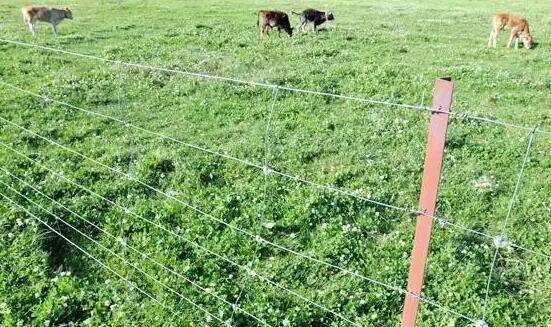
2.5 mm Galvanized Iron (GI) wire represents a common specification within the broader wire products industry, primarily functioning as a foundational material in fencing, construction, agriculture, and various industrial applications. Its technical position in the supply chain is as a semi-finished product, derived from hot-rolled steel wire which undergoes a galvanization process. Core performance characteristics are defined by its tensile strength, corrosion resistance (directly linked to zinc coating thickness), ductility, and its ability to be further processed – cut, bent, welded, and formed – into finished components. Pricing fluctuates based on steel billet costs, zinc prices, manufacturing volume, and regional demand. The critical industry pain point centers around maintaining consistent zinc coating quality, avoiding hydrogen embrittlement during the galvanization process, and achieving optimal balance between cost and long-term corrosion protection. This guide provides an in-depth technical analysis of 2.5 mm GI wire, covering material science, manufacturing processes, performance parameters, failure modes, and relevant industry standards.
Material Science & Manufacturing
The base material for 2.5 mm GI wire is typically low-carbon steel, ranging from SAE 1008 to 1018, selected for its weldability and ductility. Chemical composition is critical; typical specifications include carbon (0.08-0.18%), manganese (0.30-0.60%), phosphorus (≤0.040%), and sulfur (≤0.035%). Impurities directly impact the galvanization process and the final coating adhesion. The manufacturing process begins with the drawing of steel rod into 2.5 mm wire diameter. This drawing process induces work hardening, which is often mitigated through annealing to restore ductility. The core manufacturing step is hot-dip galvanization. This involves cleaning the wire (acid pickling to remove mill scale and rust), fluxing (typically with zinc ammonium chloride to promote adhesion), and immersion in molten zinc (typically 98% pure zinc with minor additions of aluminum and silicon to refine the coating structure). The zinc coating thickness is a key parameter, typically ranging from 60-180 g/m2, determined by withdrawal speed from the zinc bath and bath composition. Critical process control parameters include bath temperature (450-460°C), iron content in the zinc bath (maintained below 0.2%), and cooling rate to prevent condensation of zinc vapor and formation of a brittle 'spangle' structure. Post-galvanization treatments such as passivation (chromate conversion coating, now largely replaced by non-chromate alternatives due to environmental concerns) enhance corrosion resistance.
Performance & Engineering
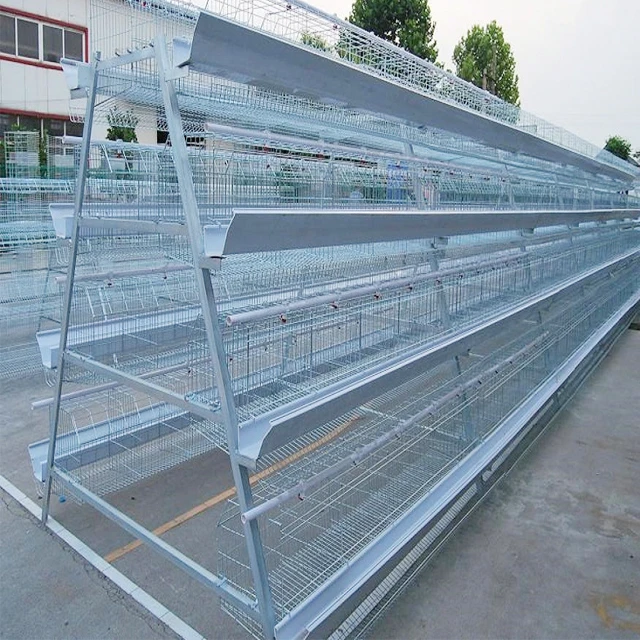
The performance of 2.5 mm GI wire is largely dictated by its mechanical properties and corrosion resistance. Tensile strength, typically ranging from 380-550 MPa, dictates its load-bearing capacity in fencing or structural applications. Yield strength, around 250-350 MPa, determines its resistance to permanent deformation. Ductility, measured by elongation percentage (typically 10-20%), is crucial for forming and bending operations without cracking. Corrosion resistance is primarily a function of the zinc coating, which acts as a sacrificial anode, protecting the steel substrate. The rate of zinc corrosion, and thus the lifespan of the wire, is affected by environmental factors such as humidity, salt spray, and pollutants (sulfur dioxide, etc.). Engineering calculations for applications involving 2.5 mm GI wire require consideration of these mechanical properties alongside environmental exposure. For fencing, wind load calculations are paramount, determining the required wire gauge and post spacing. In construction, the wire’s capacity to withstand bending moments and shear forces must be evaluated. Galvanization thickness also needs to be specified based on the anticipated corrosive environment, referencing standards like ASTM B117 (salt spray testing) and ISO 9227 (corrosion testing). Hydrogen embrittlement, a potential issue during acid pickling, can reduce ductility and lead to premature failure; baking after pickling is often employed to mitigate this risk.
Technical Specifications
| Parameter | Unit | Typical Value (Range) | Test Method |
|---|---|---|---|
| Wire Diameter | mm | 2.50 ± 0.05 | Micrometer |
| Tensile Strength | MPa | 380-550 | ASTM A370 |
| Yield Strength | MPa | 250-350 | ASTM A370 |
| Elongation | % | 10-20 | ASTM A370 |
| Zinc Coating Thickness | g/m2 | 60-180 | ASTM B693 / ISO 9227 |
| Zinc Coating Uniformity | % | ≥95 | ASTM B693 |
| Adhesion of Coating | Qualitative | No Visible Separation | ASTM A780 |
Failure Mode & Maintenance
Common failure modes for 2.5 mm GI wire include uniform corrosion (gradual reduction in zinc coating thickness), localized corrosion (pitting, crevice corrosion due to defects in the coating), and mechanical failure (fracture due to tensile overload or fatigue). Hydrogen embrittlement, as previously mentioned, can lead to brittle failure, particularly in highly stressed applications. Galvanic corrosion can occur if the GI wire is in contact with a dissimilar metal in the presence of an electrolyte. The rate of corrosion is significantly accelerated in marine environments (salt spray) or industrial atmospheres containing sulfur compounds. Maintenance strategies focus on preventative measures. Periodic inspection for corrosion is crucial, especially in harsh environments. Damaged coatings should be repaired using zinc-rich paint or metallizing. Avoid bending the wire at sharp angles, which can induce stress concentrations and cracking. For fencing applications, ensure proper tensioning to prevent sagging and fatigue. In applications involving welding, use appropriate welding techniques to minimize heat-affected zones and avoid damaging the zinc coating. Consider applying a protective coating (e.g., paint, powder coating) over the galvanized surface for enhanced long-term protection. Cleaning the wire periodically to remove dirt and debris can also slow down corrosion rates.
Industry FAQ
Q: What is the impact of spangle size on corrosion resistance?
A: Spangle size refers to the crystalline structure of the zinc coating. While a larger spangle is often aesthetically preferred, it doesn’t necessarily correlate directly with improved corrosion resistance. A tightly adhered, uniform coating is more critical. However, excessively large spangles can indicate rapid cooling during galvanization, potentially leading to a more brittle coating with reduced adhesion. Smaller, more uniform spangles generally indicate a more controlled galvanization process and superior coating integrity.
Q: How does the sulfur content in the steel substrate affect the galvanization process?
A: Higher sulfur content in the steel substrate can lead to the formation of iron sulfide (FeS) during the galvanization process. FeS is detrimental because it inhibits zinc adhesion, creating a brittle interface that reduces corrosion resistance. Steel specifications typically limit sulfur content to minimize this issue. Special fluxing agents can also be used to mitigate the effects of sulfur.
Q: What are the advantages of using a zinc-aluminum alloy coating over pure zinc?
A: Zinc-aluminum alloy coatings (like Galvalume) offer superior corrosion resistance compared to pure zinc coatings. Aluminum forms a protective oxide layer that enhances barrier protection. The addition of aluminum also improves high-temperature oxidation resistance. However, Galvalume coatings can be more expensive than pure zinc galvanization.
Q: How can I determine if hydrogen embrittlement has occurred in the GI wire?
A: Hydrogen embrittlement is difficult to detect visually. Symptoms include reduced ductility and increased susceptibility to cracking under stress. Non-destructive testing methods like ultrasonic testing can sometimes identify internal flaws. Destructive testing, such as bend tests and tensile tests, can confirm hydrogen embrittlement. Baking the wire after pickling is a preventative measure.
Q: Is chromate conversion coating still a viable option for corrosion protection?
A: While chromate conversion coatings provide excellent corrosion resistance, their use is increasingly restricted due to environmental concerns regarding hexavalent chromium. Non-chromate alternatives, such as trivalent chromium treatments and organic coatings, are now widely used, although they may offer slightly lower levels of protection. Research into more environmentally friendly and effective alternatives is ongoing.
Conclusion
2.5 mm GI wire remains a critical material in numerous industries, valued for its combination of strength, durability, and cost-effectiveness. Understanding the material science behind its manufacture, specifically the galvanization process and the factors influencing coating quality, is paramount for ensuring optimal performance. Consistent adherence to relevant industry standards and diligent implementation of preventative maintenance strategies are essential for maximizing service life and mitigating potential failure modes.
Ultimately, the selection of 2.5 mm GI wire should be based on a comprehensive assessment of the application’s specific requirements, including the anticipated environmental exposure, mechanical loads, and budgetary constraints. Further advancements in coating technologies and corrosion-resistant alloys will continue to refine the performance characteristics of GI wire and expand its range of applications in the future.