



Introduction
2 mm Galvanized Iron (GI) wire is a versatile steel wire coated with a layer of zinc through a galvanization process. This coating provides corrosion resistance, making it suitable for a wide array of industrial and commercial applications. Positioned within the broader metallic materials supply chain, it serves as a fundamental component in construction, agriculture, manufacturing, and telecommunications. Its core performance characteristics—tensile strength, ductility, and corrosion protection—are critical parameters dictating its suitability for specific end uses. The increasing demand for durable, long-lasting infrastructure and products necessitates a thorough understanding of the material science, manufacturing processes, and performance limitations of 2 mm GI wire. This guide provides an in-depth technical analysis for engineers, procurement specialists, and industry professionals seeking to optimize the application and lifecycle management of this essential material.
Material Science & Manufacturing
The base material for 2 mm GI wire is typically low-carbon steel, characterized by its high ductility and weldability. Common steel grades include SAE 1008 and similar formulations, offering a balance between strength and formability. The zinc coating is applied through several processes, the most prevalent being hot-dip galvanizing. In this process, the steel wire is immersed in a molten zinc bath, creating a metallurgical bond. The reaction forms layers of zinc-iron alloys and a final outer layer of pure zinc. The thickness of the zinc coating is a critical parameter, typically measured in grams per square meter (g/m²) and directly impacts corrosion resistance. Other galvanizing methods include electrogalvanizing and zinc-spray coating, each offering varying coating thicknesses and properties. Wire drawing is the primary manufacturing process to achieve the 2 mm diameter. This involves pulling the steel rod through a series of progressively smaller dies, imparting significant plastic deformation. Annealing is often performed after wire drawing to relieve residual stresses and restore ductility. Key parameter control during manufacturing includes maintaining consistent wire diameter tolerances, ensuring adequate zinc coating thickness and uniformity, and minimizing surface defects. Chemical composition of the steel, bath temperature during galvanizing, and drawing speed all significantly impact final product quality. Impurities in the steel, such as sulfur and phosphorus, can negatively affect the galvanizing process and coating adhesion.
Performance & Engineering
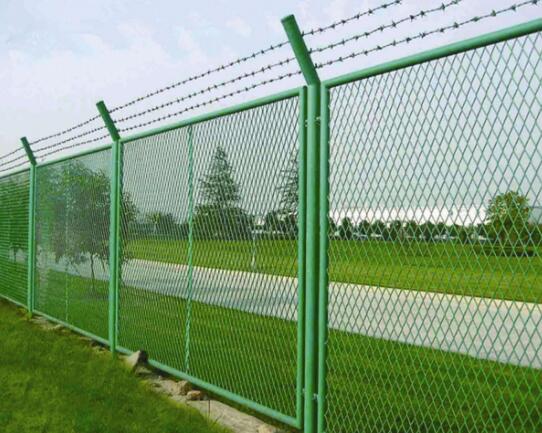
The performance of 2 mm GI wire is governed by its mechanical properties and environmental resistance. Tensile strength, typically ranging from 350-500 MPa depending on steel grade and zinc coating, dictates its load-bearing capacity. Ductility, measured by elongation at break, ensures the wire can withstand deformation without fracturing. Corrosion resistance, the primary benefit of galvanization, is determined by the zinc coating thickness and the surrounding environment. Zinc acts as a sacrificial anode, corroding preferentially to the steel, thus protecting it from rust. However, in highly corrosive environments (e.g., saltwater, acidic conditions), the zinc coating will eventually deplete. Engineering applications require careful consideration of these parameters. For example, in fencing applications, tensile strength and ductility are paramount to withstand wind loads and accidental impacts. In agricultural applications, corrosion resistance is crucial due to exposure to moisture, fertilizers, and pesticides. Force analysis, using finite element methods (FEM), can accurately predict wire stress under various loading conditions. Environmental resistance testing, including salt spray testing (ASTM B117) and cyclic corrosion testing, are used to assess long-term durability. Compliance requirements, such as RoHS (Restriction of Hazardous Substances) and REACH (Registration, Evaluation, Authorisation and Restriction of Chemicals), dictate permissible levels of hazardous substances in the wire and its manufacturing process.
Technical Specifications
| Parameter | Typical Value (Units) | Testing Standard | Tolerance |
|---|---|---|---|
| Diameter | 2.0 mm | ISO 288 | ±0.02 mm |
| Tensile Strength | 400-500 MPa | ASTM A641 | ±30 MPa |
| Elongation at Break | 15-20 % | ASTM A641 | ±2 % |
| Zinc Coating Thickness | 20-60 g/m² | ASTM A641 | ±5 g/m² |
| Zinc Coating Uniformity | >95 % Coverage | ASTM A641 | N/A |
| Hydrogen Embrittlement | < 3 ppm | ASTM A641 | N/A |
Failure Mode & Maintenance
2 mm GI wire is susceptible to several failure modes. Corrosion, despite the zinc coating, remains a primary concern, especially in aggressive environments. Crevice corrosion can occur in areas where moisture and contaminants accumulate, accelerating localized corrosion. Mechanical failure can result from fatigue cracking due to repeated loading, particularly in applications involving bending or flexing. Hydrogen embrittlement, a phenomenon where hydrogen atoms diffuse into the steel, reducing its ductility and promoting cracking, can occur during the galvanizing process. Galvanic corrosion can occur when the GI wire is in contact with dissimilar metals in the presence of an electrolyte. Physical damage, such as abrasion or cutting, can compromise the zinc coating, exposing the underlying steel to corrosion. Maintenance strategies include regular inspection for signs of corrosion, cleaning to remove contaminants, and the application of protective coatings (e.g., paint, epoxy) to enhance corrosion resistance. Damaged sections should be repaired or replaced promptly. For applications in harsh environments, periodic re-galvanizing or the use of more corrosion-resistant alloys (e.g., stainless steel) may be necessary. Implementing proper storage procedures, avoiding exposure to moisture and corrosive chemicals, is crucial to prolong wire lifespan.
Industry FAQ
Q: What is the typical lifespan of 2 mm GI wire in an outdoor fencing application?
A: The lifespan is highly dependent on the environmental conditions. In mild climates, a properly installed and maintained fence can last 15-20 years. However, in coastal areas with high salt content or industrial environments with acid rain, the lifespan may be reduced to 5-10 years. Regular inspection and protective coatings are crucial for extending service life.
Q: How does the manufacturing process affect the corrosion resistance of 2 mm GI wire?
A: The galvanizing process is paramount. Consistent coating thickness, proper surface preparation before galvanizing (removal of rust and scale), and control of bath temperature all influence corrosion resistance. Slow cooling rates after galvanizing generally lead to a more durable coating. The presence of impurities in the steel can also negatively affect coating adhesion.
Q: What is the difference between hot-dip galvanizing and electrogalvanizing?
A: Hot-dip galvanizing provides a thicker zinc coating and a superior metallurgical bond with the steel, resulting in better corrosion protection. Electrogalvanizing produces a thinner, more uniform coating, often preferred for applications requiring precise tolerances. However, electrogalvanized coatings generally offer less corrosion resistance.
Q: Can 2 mm GI wire be welded? What precautions should be taken?
A: Yes, 2 mm GI wire can be welded, but it requires specific techniques to avoid damaging the zinc coating and preventing weld defects. Using low-heat welding processes (e.g., MIG, TIG) is recommended. The zinc coating should be removed from the weld area before welding to prevent the formation of zinc fumes. Post-weld, the exposed steel should be re-galvanized to restore corrosion protection.
Q: What are the key considerations when specifying 2 mm GI wire for agricultural applications?
A: Corrosion resistance is paramount. Selecting wire with a thicker zinc coating (e.g., 60 g/m²) is advisable. The wire should also be resistant to the chemicals commonly used in agriculture, such as fertilizers and pesticides. Consider using wire with a polymer coating for enhanced protection in particularly aggressive environments.
Conclusion
2 mm GI wire represents a foundational material in numerous industries, offering a cost-effective balance of strength, ductility, and corrosion resistance. A thorough understanding of its material science, manufacturing processes, and potential failure modes is essential for ensuring optimal performance and longevity. The selection of appropriate galvanizing methods, adherence to stringent quality control measures during manufacturing, and implementation of proper maintenance practices are critical for maximizing service life and minimizing life-cycle costs.
Future advancements in protective coatings, such as nanotechnology-based zinc coatings with enhanced barrier properties, and the development of high-strength, low-alloy steel substrates will further improve the performance of GI wire. Continued research into corrosion mechanisms and mitigation strategies is vital to addressing the challenges posed by increasingly aggressive environmental conditions. By integrating these advancements, industries can rely on 2 mm GI wire as a durable and sustainable material for a wide range of applications.