



Introduction
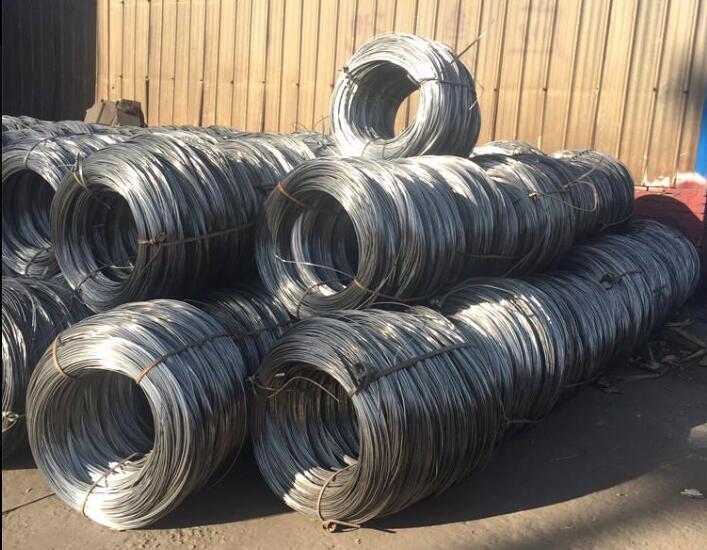
20 gauge galvanized wire represents a foundational material in numerous industrial and commercial applications. Defined by its 0.812mm diameter (corresponding to the 20 gauge designation), this wire consists of a ferrous metal core coated with a protective layer of zinc through a galvanization process. This process imparts corrosion resistance, extending the service life of the wire in challenging environments. Within the wire products industry chain, 20 gauge galvanized wire occupies a critical position, serving as a base material for fencing, cable armoring, binding, springs, and a multitude of fabricated components. Its core performance characteristics – tensile strength, ductility, corrosion resistance, and formability – dictate its suitability for diverse applications. The industry frequently grapples with maintaining consistent zinc coating thickness and adhesion, managing hydrogen embrittlement during processing, and ensuring long-term corrosion protection in specific environments, issues this guide will address in detail.
Material Science & Manufacturing
The raw material for 20 gauge galvanized wire is typically low-carbon steel, conforming to specifications such as ASTM A824 or EN 10218-1. The steel’s composition influences its ductility and weldability, crucial factors during wire drawing. Common steel grades include SAE 1008 and 1010, selected for their balance of strength and formability. The galvanization process itself is pivotal. Hot-dip galvanizing is the most prevalent method, immersing the steel wire in a molten zinc bath (typically 98% pure zinc) maintained around 450°C (842°F). This creates a metallurgical bond between the zinc and steel, forming a series of zinc-iron alloy layers culminating in an outer layer of pure zinc. Key parameters in hot-dip galvanizing include bath temperature, immersion time, steel surface preparation (cleaning and pickling to remove oxides), and cooling rate. Electrogalvanizing offers tighter control over coating thickness but generally provides lower corrosion resistance. Wire drawing, the process of reducing the diameter of the steel rod through a series of dies, introduces work hardening. Annealing, a heat treatment process, restores ductility after wire drawing. Maintaining precise die lubrication during drawing and controlled annealing temperatures are vital for consistent wire quality. Chemical composition of the steel and the cooling rate directly affect the microstructure of the final galvanized product. Residual stresses from wire drawing, if not properly relieved through annealing, can lead to premature failure.
Performance & Engineering
The performance of 20 gauge galvanized wire is primarily dictated by its tensile strength, yield strength, elongation, and corrosion resistance. Tensile strength, typically ranging from 480-550 MPa, determines the wire’s ability to withstand pulling forces. Yield strength, around 300-370 MPa, indicates the point at which permanent deformation occurs. Elongation, generally 10-20%, reflects the wire’s ductility. Corrosion resistance is directly related to the zinc coating thickness. The zinc coating sacrificially corrodes, protecting the underlying steel. Environmental factors like salt spray, humidity, and industrial pollutants influence the rate of corrosion. Engineering applications demand consideration of these factors. For fencing applications, wind load and impact resistance are critical, necessitating proper wire gauge and post spacing. In cable armoring, flexibility and resistance to fatigue are paramount. Furthermore, the galvanization process can induce hydrogen embrittlement, a phenomenon where hydrogen atoms diffuse into the steel, reducing its ductility and potentially leading to brittle fracture. Post-galvanizing baking (heat treatment) is often employed to mitigate hydrogen embrittlement. Compliance with standards like ASTM B6 for zinc coating weight and ASTM A36 for steel properties is essential for ensuring performance consistency.
Technical Specifications
| Parameter | Typical Value (Units) | Test Method | Industry Standard |
|---|---|---|---|
| Diameter | 0.812 mm | Micrometer | ASTM A938 |
| Tensile Strength | 480-550 MPa | ASTM A370 | ASTM A824 |
| Yield Strength | 300-370 MPa | ASTM A370 | ASTM A824 |
| Elongation | 10-20% | ASTM A370 | ASTM A824 |
| Zinc Coating Weight | 80-260 g/m² | ASTM B6 | ASTM B6 |
| Zinc Coating Thickness | 8-15 μm | Microscopic Cross-Section | ASTM B6 |
Failure Mode & Maintenance
20 gauge galvanized wire is susceptible to several failure modes. Corrosion, despite the zinc coating, is a primary concern, particularly in aggressive environments. Crevice corrosion can occur in confined spaces where moisture and contaminants accumulate. Localized pitting corrosion can initiate at imperfections in the zinc coating. Mechanical failure can manifest as tensile overload leading to fracture, bending fatigue causing cracks, or abrasion damaging the coating. Hydrogen embrittlement, as previously mentioned, contributes to brittle fracture. Galvanic corrosion can occur when the wire is in contact with dissimilar metals in the presence of an electrolyte. Maintenance strategies focus on preventing or mitigating these failures. Regular inspection for corrosion damage is crucial. Applying a protective coating, such as paint or epoxy, over the galvanized wire can enhance corrosion resistance. For fencing applications, ensuring proper grounding can minimize galvanic corrosion. In cable armoring, avoiding sharp bends and providing adequate support prevents fatigue cracking. For minor corrosion, cleaning and re-coating with a zinc-rich primer can extend the service life. If significant corrosion is observed, replacement of the wire is typically necessary. Proper storage of the wire in a dry environment is crucial to prevent pre-emptive corrosion.
Industry FAQ
Q: What is the impact of zinc coating uniformity on the long-term corrosion performance of 20 gauge galvanized wire?
A: Zinc coating uniformity is paramount. Non-uniform coatings create localized areas of thinner protection, accelerating corrosion at those points. Thin spots act as preferential sites for initiation of corrosion cells, leading to premature failure. Consistent coating thickness, achieved through careful control of the galvanizing process, significantly extends the wire's service life.
Q: How does the steel’s carbon content affect the galvanizing process and the resulting coating quality?
A: Higher carbon content in the steel increases the reactivity of the steel surface with molten zinc, leading to a thicker, potentially more brittle zinc-iron alloy layer. This can improve initial corrosion resistance but may reduce coating ductility and adhesion. Low-carbon steel, like SAE 1008, is preferred for optimal galvanizing results.
Q: What are the common methods for verifying the zinc coating thickness and adhesion?
A: Common methods include magnetic thickness measurement (non-destructive), chemical dissolution tests (destructive), and microscopic cross-section analysis (destructive). Adhesion is typically assessed through bend tests or pull-off tests, applying a force to detach the coating from the substrate.
Q: Can 20 gauge galvanized wire be welded, and if so, what precautions need to be taken?
A: Yes, 20 gauge galvanized wire can be welded, but it requires careful consideration. The zinc coating vaporizes during welding, releasing harmful fumes that require adequate ventilation. The weld area will also lose its zinc protection. Post-weld zinc coating repair (e.g., zinc spraying) is often necessary to restore corrosion resistance.
Q: What is the effect of passivation treatments on galvanized wire?
A: Passivation treatments, such as chromate conversion coatings, can further enhance the corrosion resistance of galvanized wire by creating a protective layer over the zinc coating. However, chromate-based treatments are increasingly restricted due to environmental concerns. Alternative, environmentally friendly passivation treatments are being developed.
Conclusion
20 gauge galvanized wire serves as a critical component across a broad spectrum of industrial applications, its value stemming from the synergistic combination of steel’s inherent strength and zinc’s sacrificial corrosion protection. The manufacturing process, particularly the galvanization stage, demands meticulous control to ensure consistent coating quality and adhesion. Understanding the material science, potential failure modes, and appropriate maintenance strategies is crucial for maximizing the service life and reliability of this widely utilized material.
Future developments in galvanized wire technology will likely focus on environmentally friendly coatings to replace chromates, advancements in process control to minimize coating defects, and innovative alloys to enhance both strength and corrosion resistance. Continued research and adherence to evolving industry standards are essential for ensuring the long-term viability and performance of 20 gauge galvanized wire in demanding applications.