



Introduction
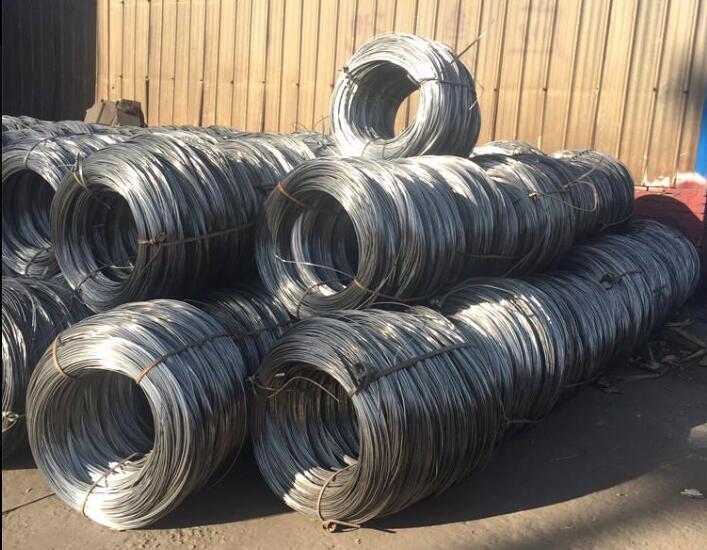
21 gauge galvanized wire is a widely utilized material in construction, agriculture, manufacturing, and various industrial applications. Defined by its 0.028 inch (0.711 mm) diameter, this wire consists of a low carbon steel core coated with a protective layer of zinc. This zinc coating is critical, providing cathodic protection which significantly enhances the steel’s resistance to corrosion. Its position within the materials supply chain is as a semi-finished product, adaptable for numerous fabrication processes including weaving, twisting, cutting, and forming. Core performance characteristics center around tensile strength, ductility, formability, and, crucially, its longevity in corrosive environments. Compared to bare steel wire of similar gauge, galvanized wire offers a substantial performance advantage, reducing maintenance and replacement costs over the lifespan of the application.
Material Science & Manufacturing
The primary raw material for 21 gauge galvanized wire is low carbon steel, typically containing 0.05% to 0.25% carbon. This lower carbon content imparts increased ductility and weldability, essential for wire drawing and subsequent forming operations. The steel often includes manganese (0.30-0.90%) to improve strength and hardness, and phosphorus (0.040% max) which, while contributing to machinability, must be carefully controlled as higher levels can reduce weldability. The zinc used for coating is typically of 99.995% purity (Special High Grade Zinc - SHG).
Manufacturing commences with hot rolling of steel billets into wire rod. This rod is then pickled to remove mill scale, a surface oxide layer formed during hot rolling. Crucially, the wire is then drawn through a series of progressively smaller dies, a process known as wire drawing. This reduces the diameter to the final 21 gauge (0.711mm) and work hardens the steel, increasing its tensile strength. The final stage is galvanization. The most common method is hot-dip galvanizing, where the wire is passed through a molten zinc bath (maintained at approximately 450°C). The metallurgical reaction forms a series of zinc-iron alloy layers, culminating in a final outer layer of pure zinc. Critical parameters include bath temperature, wire speed, and cooling rate, all influencing coating thickness and adhesion. Other galvanization methods, like electrogalvanizing, are less common for this gauge due to thinner coating thicknesses and lower corrosion resistance. Post-galvanizing, the wire may undergo further processing, such as spooling, straightening, or cutting to length.
Performance & Engineering
The performance of 21 gauge galvanized wire is governed by several key engineering principles. Tensile strength, typically ranging from 450-550 MPa, dictates the load-bearing capacity. The zinc coating’s effectiveness relies on its ability to provide sacrificial protection. Zinc corrodes preferentially to the steel, preventing rust formation. This is achieved through the electrochemical potential difference between zinc and iron. The coating thickness, typically 20-60 μm for hot-dip galvanized wire, directly impacts the longevity of corrosion protection.
Environmental resistance is paramount. Exposure to chlorides (marine environments, de-icing salts) accelerates corrosion; therefore, thicker coatings are recommended in these applications. Temperature fluctuations induce thermal expansion and contraction, creating stress within the coating. Proper coating adhesion, achieved through optimized galvanizing processes, mitigates cracking and delamination. Compliance requirements vary by application. For example, wire used in fencing must meet relevant ASTM standards regarding coating weight and adhesion. Similarly, agricultural applications may require compliance with specific environmental regulations regarding zinc content and runoff. Force analysis is critical in applications involving bending or forming. Excessive bending radius can induce cracking and reduce the wire's structural integrity. The ductility of the steel core plays a crucial role in resisting such failures.
Technical Specifications
| Parameter | Typical Value | Testing Standard | Unit |
|---|---|---|---|
| Diameter | 0.711 | ASTM A641 | mm |
| Tensile Strength | 450-550 | ASTM A641 | MPa |
| Zinc Coating Weight | 20-60 | ASTM B693 | g/m² |
| Zinc Coating Thickness | 5-15 | ASTM B693 | μm |
| Elongation | 15-25 | ASTM A641 | % |
| Yield Strength | 250-350 | ASTM A641 | MPa |
Failure Mode & Maintenance
21 gauge galvanized wire is susceptible to several failure modes. The most common is corrosion, manifesting as red rust formation despite the zinc coating. This typically occurs when the zinc coating is depleted, exposing the underlying steel to the environment. This depletion can be accelerated by galvanic corrosion if the wire is in contact with more noble metals. Hydrogen embrittlement, a less frequent but critical failure mode, can occur during the galvanizing process if the steel contains significant amounts of hydrogen. This can lead to delayed cracking under stress. Mechanical failures include fatigue cracking, especially in applications involving repeated bending or tensile loading. Coating delamination, often caused by poor adhesion during galvanizing or mechanical damage, reduces corrosion protection.
Maintenance strategies focus on preventing or mitigating these failures. Regular inspection for signs of corrosion is crucial. For minor corrosion, cleaning and application of a zinc-rich coating can provide localized protection. Damaged coatings should be repaired promptly. Avoiding contact with dissimilar metals can minimize galvanic corrosion. In high-chloride environments, periodic washing with fresh water can remove corrosive salts. Proper storage is also essential – storing wire in a dry environment prevents rust formation before use. For applications where wire is subject to significant abrasion, consider using thicker gauge wire or incorporating a protective sleeve.
Industry FAQ
Q: What is the difference between hot-dip galvanizing and electrogalvanizing for 21 gauge wire?
A: Hot-dip galvanizing provides a thicker, more robust zinc coating with superior corrosion resistance due to the metallurgical bonding of zinc-iron alloy layers. Electrogalvanizing results in a thinner, smoother coating, primarily consisting of pure zinc, and generally offers lower corrosion protection. For demanding applications, hot-dip galvanizing is preferred for 21 gauge wire.
Q: How does the carbon content in the steel core affect the wire's performance?
A: Lower carbon content (0.05%-0.25%) improves ductility and formability, making the wire easier to bend and shape without cracking. Higher carbon content increases strength but reduces ductility, making it more brittle. The typical low-carbon steel used in 21 gauge wire balances strength and ductility for optimal performance.
Q: What are the implications of exceeding the specified bending radius for this wire?
A: Exceeding the recommended bending radius can induce stress concentrations and micro-cracking within the steel, reducing the wire’s tensile strength and potentially leading to premature failure. This is particularly critical in applications involving cyclic loading.
Q: How can I determine if the zinc coating has been compromised?
A: Visual inspection is the first step. Look for areas of exposed steel (red rust) or blistering/flaking of the zinc coating. More precise measurements can be obtained using non-destructive coating thickness gauges. Salt spray testing (ASTM B117) can simulate accelerated corrosion and assess the coating’s protective effectiveness.
Q: What is the role of manganese in the steel composition?
A: Manganese acts as a deoxidizer during steelmaking, improving the steel’s strength and hardness. It also counteracts the embrittling effects of sulfur, enhancing the steel’s weldability and overall toughness. Typically, levels are maintained between 0.30 and 0.90% by weight.
Conclusion
21 gauge galvanized wire represents a versatile and cost-effective solution across a broad spectrum of applications. Its performance is intrinsically linked to the interplay between material science – specifically the properties of the low carbon steel core and the zinc coating – and the precision of the manufacturing process. Understanding the critical parameters governing corrosion resistance, tensile strength, and ductility is paramount for ensuring longevity and reliability.
Future advancements may focus on developing more environmentally friendly galvanizing processes, enhancing coating adhesion through surface pretreatment technologies, and exploring alternative coating materials to further improve corrosion protection and extend the service life of this widely used wire product. Continued adherence to established standards and meticulous quality control will remain essential for maintaining the integrity and performance of 21 gauge galvanized wire in demanding industrial environments.