



Introduction
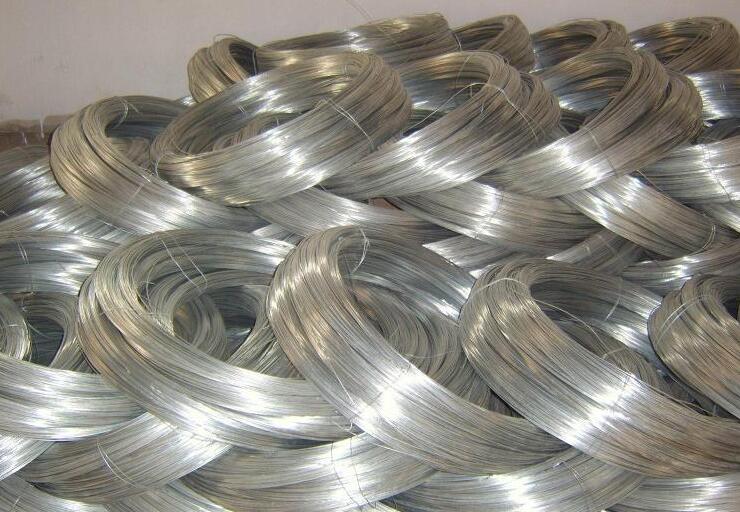
22 gauge galvanized wire is a cold-drawn steel wire coated with a protective layer of zinc. Designated as AWG 22, it possesses a diameter of 0.646 mm (0.0254 inches). Its primary application lies in securing, binding, and general wirework across diverse industrial and commercial sectors. This guide will detail the material science, manufacturing processes, performance characteristics, potential failure modes, and relevant industry standards pertaining to 22 gauge galvanized wire. A critical application driver is corrosion resistance, provided by the zinc coating, extending service life in challenging environments. Compared to bare steel wire of the same gauge, galvanized wire exhibits significantly improved resistance to rust and oxidation, a key differentiator in outdoor and humid applications. The zinc coating acts as a sacrificial anode, protecting the underlying steel from corrosion. This specification is crucial for applications requiring durability and longevity, offering a cost-effective alternative to more expensive alloy wires.
Material Science & Manufacturing
The core material for 22 gauge galvanized wire is typically low-carbon steel, such as SAE 1008, selected for its ductility and weldability. The steel composition consists primarily of iron, with controlled amounts of carbon (typically <0.10%), manganese, phosphorus, and sulfur. These alloying elements influence the steel's mechanical properties. The zinc coating is applied through a hot-dip galvanization process. Steel wire is continuously passed through a molten zinc bath, creating a metallurgical bond between the zinc and steel. Prior to galvanization, the wire undergoes a rigorous cleaning process including pickling with hydrochloric acid to remove mill scale and oxides, followed by fluxing to promote adhesion. The thickness of the zinc coating is a critical parameter, typically ranging from 0.0005 to 0.001 inches (12.7 to 25.4 μm) depending on the desired corrosion protection level. Controlling the bath temperature (around 830-850°F or 443-454°C) and wire speed is vital for consistent coating thickness and adherence. After galvanization, the wire is typically cooled and may receive a chromate conversion coating for enhanced corrosion resistance, although this practice is declining due to environmental concerns. The microstructure of the steel wire consists of ferrite and pearlite, influencing its tensile strength and elongation. Material properties are further refined through cold drawing, increasing strength but reducing ductility.
Performance & Engineering
The performance of 22 gauge galvanized wire is primarily characterized by its tensile strength, elongation, and corrosion resistance. Tensile strength, typically between 80,000 to 90,000 psi (550-620 MPa), dictates its load-bearing capacity. Elongation, usually around 10-15%, indicates its ductility and ability to deform before fracture. The zinc coating provides cathodic protection; even if the coating is scratched or damaged, the zinc will corrode preferentially, protecting the underlying steel. Engineering considerations include determining the appropriate safety factor based on the intended application. For example, in fencing applications, the wire must withstand wind loads and potential impacts. The long-term performance is also impacted by environmental factors like exposure to salt spray, humidity, and temperature fluctuations. The galvanization process creates a series of metallurgical layers – the gamma, delta, zeta, and eta phases – each contributing to the coating’s protective qualities. The zinc coating’s effectiveness diminishes over time due to oxidation and the formation of zinc oxides and carbonates. However, the corrosion rate is significantly slower than that of bare steel. Fatigue resistance is also a consideration in applications involving repetitive bending or flexing. Cyclic loading can lead to crack initiation and propagation, particularly at stress concentration points.
Technical Specifications
| Parameter | Unit | Typical Value | Test Standard |
|---|---|---|---|
| Gauge (AWG) | - | 22 | ASTM F694 |
| Diameter | mm (inches) | 0.646 (0.0254) | ASTM A967 |
| Tensile Strength | MPa (psi) | 550-620 (80,000-90,000) | ASTM F694 |
| Elongation | % | 10-15 | ASTM F694 |
| Zinc Coating Weight | g/m² (oz/ft²) | 84-275 (2.5-8.0) | ASTM B117 |
| Minimum Coating Thickness | μm (mils) | 12.7-25.4 (0.5-1.0) | ASTM B117 |
Failure Mode & Maintenance
Common failure modes for 22 gauge galvanized wire include corrosion, fatigue cracking, and breakage due to overstress. Corrosion manifests as localized pitting or uniform rusting, particularly in harsh environments. The zinc coating provides protection, but once it’s depleted, the underlying steel becomes susceptible to corrosion. Fatigue cracking can occur in applications involving cyclic bending, often initiating at surface imperfections or kinks in the wire. Brittle fracture can result from impact loads or exposure to low temperatures. Overstressing the wire beyond its tensile strength will cause immediate breakage. Maintenance primarily involves regular inspection for signs of corrosion or damage. If corrosion is detected, localized treatment with zinc-rich coatings can slow down the process. Worn or damaged wire should be replaced promptly to prevent catastrophic failure. Avoiding sharp bends and kinks during installation and use will minimize the risk of fatigue cracking. Regular cleaning to remove contaminants such as dirt, salt, and chemicals can also extend the wire's service life. For applications in marine environments, a thicker zinc coating or the use of stainless steel wire should be considered. Monitoring the tension applied to the wire is crucial to prevent overstressing and premature failure.
Industry FAQ
Q: What is the difference between Class 1, Class 2, and Class 3 galvanization, and which is most appropriate for 22 gauge wire?
A: These classes refer to the zinc coating weight and, therefore, the level of corrosion protection. Class 1 has the lightest coating, Class 3 the heaviest. For 22 gauge wire used in general applications, Class 1 or Class 2 galvanization is typically sufficient. Class 3 is generally reserved for more severe environments, such as marine or industrial settings, and might add unnecessary cost for standard applications.
Q: How does the annealing process affect the properties of 22 gauge galvanized wire?
A: Annealing, a heat treatment process, is often performed before galvanization to increase the wire’s ductility. This makes it easier to form and bend without fracturing. However, annealing reduces the tensile strength slightly. The balance between ductility and strength is crucial and depends on the intended application.
Q: Is white rust a sign of coating failure, and how can it be prevented?
A: White rust is a corrosion product formed on galvanized surfaces when exposed to moisture and certain contaminants. It's not necessarily a sign of complete coating failure, but it indicates a breakdown of the protective passivation layer. Prevention involves proper storage, avoiding contact with corrosive substances, and potentially applying a chromate conversion coating (though environmental regulations are shifting away from this).
Q: Can 22 gauge galvanized wire be welded? If so, what precautions should be taken?
A: Yes, 22 gauge galvanized wire can be welded, but the zinc coating poses challenges. When heated, the zinc vaporizes, releasing fumes that are harmful and can create porosity in the weld. Proper ventilation and the use of a zinc-specific welding electrode are essential. The weld area will require post-weld treatment to re-establish corrosion protection.
Q: What is the impact of hydrogen embrittlement on the long-term performance of galvanized wire?
A: Hydrogen embrittlement can occur during the pickling process prior to galvanization, where hydrogen atoms diffuse into the steel. These atoms can reduce the wire’s ductility and lead to premature failure under stress. A baking process after pickling can help drive out the hydrogen and mitigate this risk.
Conclusion
22 gauge galvanized wire represents a versatile and cost-effective solution for numerous binding, securing, and general wirework applications. Its performance hinges on the interplay between the mechanical properties of the low-carbon steel core and the protective attributes of the zinc coating. Understanding the galvanization process, potential failure modes, and relevant industry standards is critical for ensuring long-term reliability and safety. The key to optimal performance lies in selecting the appropriate coating class for the intended environment, proper installation practices, and consistent monitoring for signs of corrosion or damage.
Future developments may focus on alternative coating materials to zinc, addressing environmental concerns associated with chromate conversion coatings and exploring enhanced corrosion protection technologies. Innovations in steel alloying and cold-drawing processes could further optimize the wire’s mechanical properties. Furthermore, advancements in non-destructive testing methods will enable more precise quality control and predictive maintenance, enhancing the overall lifespan and reliability of 22 gauge galvanized wire in demanding applications.