



Introduction
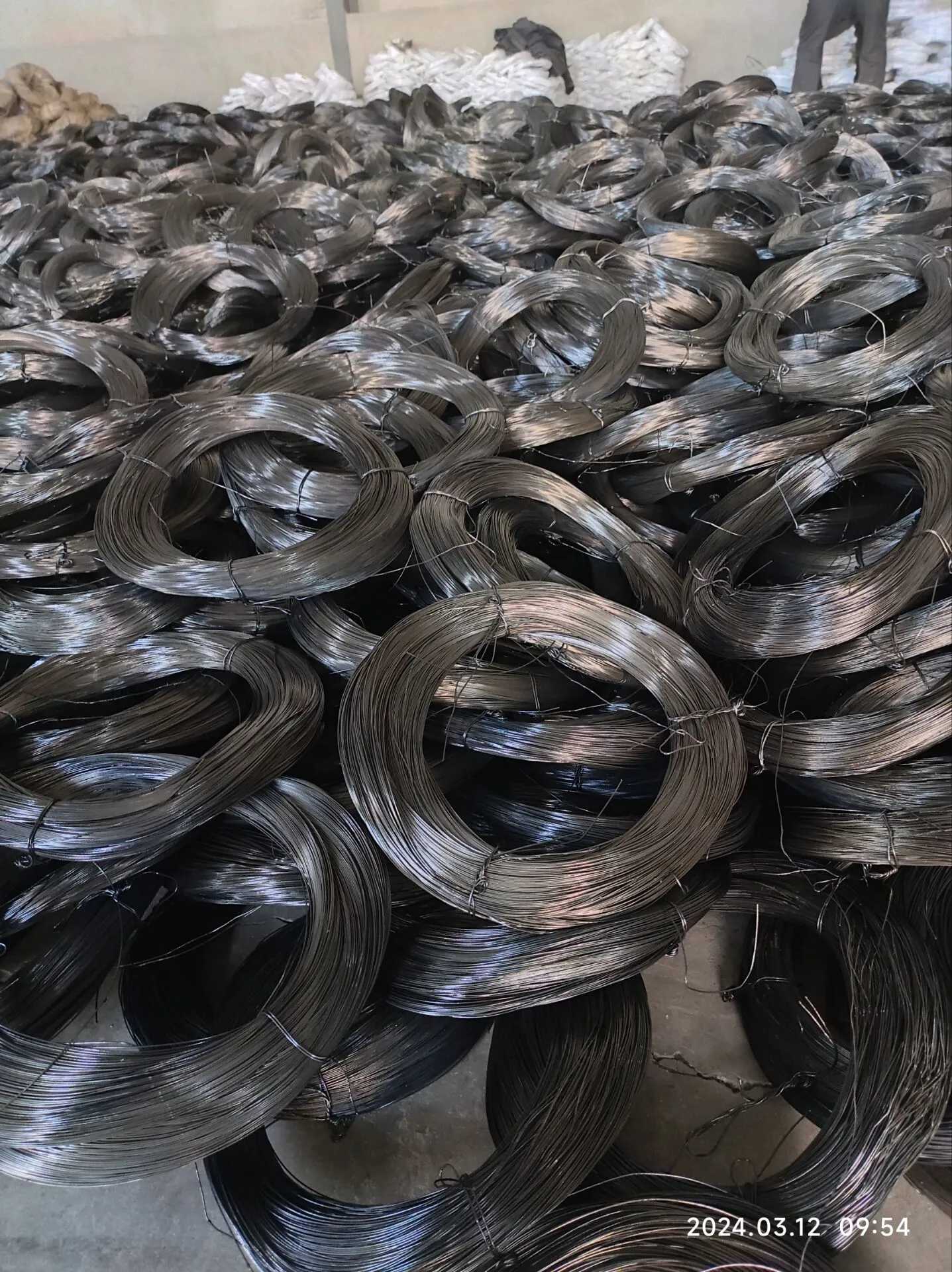
2mm galvanised garden wire is a widely utilized fastening and support material in horticulture, agriculture, and general landscaping. Its primary function revolves around providing tensile strength for training plants, securing fencing, creating plant supports, and undertaking light-duty tying applications. Technically, it is a low-carbon steel wire that undergoes a galvanisation process – typically hot-dip galvanising – to impart corrosion resistance. This process involves coating the steel with a protective layer of zinc. Positioned within the broader materials supply chain, it represents a downstream product of steel manufacturing, relying on the availability of steel billets or wire rod as its core input. The critical performance characteristics of this wire are its tensile strength, elongation, zinc coating thickness, and resistance to environmental degradation. Its widespread adoption stems from a balance of cost-effectiveness, adequate strength, and reasonable longevity in typical outdoor applications. A key industry pain point centers on inconsistent zinc coating quality impacting long-term corrosion resistance and, subsequently, product lifespan, leading to frequent replacement and increased operational costs for end-users. Another concern revolves around wire ductility - insufficient ductility leads to brittleness and breakage during manipulation.
Material Science & Manufacturing
The base material for 2mm galvanised garden wire is typically low-carbon steel, specifically SAE 1008 or similar grades. This steel possesses a carbon content of approximately 0.08%, providing a balance between ductility and strength. The steel's primary constituents, beyond iron, include manganese, phosphorus, and sulfur, present in controlled quantities to influence its mechanical properties. The manufacturing process begins with the production of steel wire rod through continuous casting and rolling. This rod is then subjected to drawing, a process where the wire is pulled through a series of progressively smaller dies, reducing its diameter to the desired 2mm specification. During drawing, lubrication is critical to minimise friction and prevent die wear. Post-drawing, the wire undergoes a cleaning process to remove any residual lubricants or surface contaminants. The galvanisation process, most commonly hot-dip galvanising, is then applied. This involves immersing the cleaned wire into a bath of molten zinc (typically 98% pure zinc) at a temperature of around 450-460°C. The zinc metallurgically bonds with the steel surface, forming a protective alloy layer. Critical parameters in the galvanising process include bath temperature, immersion time, and the cooling rate. Precise control of these parameters is essential to achieve a uniform and adherent zinc coating. The typical zinc coating thickness for garden wire ranges from 40-60 μm, as defined by relevant standards. Post-galvanising, the wire may undergo passivation treatment to enhance corrosion resistance further.

Performance & Engineering
The performance of 2mm galvanised garden wire is intrinsically linked to its mechanical and environmental resistance properties. Tensile strength, typically ranging from 380-550 MPa, defines the wire’s ability to withstand pulling forces before breaking. Elongation, measured as a percentage of original length, indicates the wire's ductility – its ability to deform plastically before fracture. A higher elongation value (typically 15-25%) signifies greater ductility and reduces the risk of brittle failure. Force analysis in typical applications involves calculating the load-bearing capacity of the wire based on its cross-sectional area and tensile strength, considering safety factors to account for dynamic loads and environmental conditions. Environmental resistance is predominantly governed by the zinc coating. The zinc layer acts as a barrier, preventing corrosive elements from reaching the steel substrate. However, the zinc coating degrades over time through electrochemical corrosion. Factors accelerating this degradation include salt spray, humidity, and acidic environments. Compliance requirements for garden wire often relate to zinc coating thickness and adherence, ensuring the wire meets specified corrosion resistance levels. The wire's performance can also be impacted by bending and forming. Repeated bending can induce work hardening, reducing ductility and increasing the risk of fracture. The manufacturing process parameters, particularly the drawing and annealing steps, are crucial in optimising the wire's mechanical properties to withstand typical application stresses.
Technical Specifications
| Parameter | Unit | Typical Value | Testing Standard |
|---|---|---|---|
| Diameter | mm | 2.0 ± 0.05 | ISO 9352 |
| Tensile Strength | MPa | 450-550 | ASTM A641 |
| Elongation at Break | % | 18-25 | ASTM A641 |
| Zinc Coating Thickness | µm | 40-60 | ASTM B693 |
| Zinc Coating Adhesion | N/mm² | >50 | ASTM B693 |
| Galvanisation Method | - | Hot-Dip | ISO 2089 |
Failure Mode & Maintenance
Common failure modes for 2mm galvanised garden wire include corrosion-induced breakage, fatigue cracking, and plastic deformation. Corrosion, particularly in chloride-rich environments (e.g., coastal areas), leads to the formation of zinc corrosion products that eventually expose the underlying steel to rust. Fatigue cracking can occur under cyclic loading, especially when the wire is repeatedly bent or subjected to fluctuating tensile stresses. This is accelerated by surface defects or stress concentrators. Plastic deformation arises from exceeding the wire's yield strength, resulting in permanent elongation or distortion. Oxidation of the zinc coating can also contribute to gradual degradation over time. Failure analysis typically involves examining the fracture surface using microscopy to determine the root cause of failure – whether it's corrosion, fatigue, or overload. Maintenance primarily focuses on preventing premature failure through appropriate storage and application practices. Storing the wire in a dry environment protects it from corrosion. Avoiding excessive bending or kinking during use minimizes the risk of fatigue cracking. For applications where extended durability is critical, periodically inspecting the wire for signs of corrosion or damage is recommended. Applying a protective coating (e.g., a zinc-rich paint) to areas prone to corrosion can extend the wire’s lifespan. Regular replacement of the wire is necessary in harsh environments, particularly those with high humidity or exposure to salt spray.
Industry FAQ
Q: What is the significance of the zinc coating thickness, and how does it correlate to the wire's lifespan?
A: The zinc coating thickness is a primary indicator of corrosion resistance. A thicker coating provides a longer barrier against corrosive elements. Generally, a coating of 40-60 µm offers adequate protection for typical garden applications. However, in more aggressive environments (e.g., coastal areas, industrial zones), a thicker coating – potentially exceeding 60µm – is recommended. The correlation isn’t linear, but as a rule of thumb, doubling the zinc thickness significantly extends the time to corrosion initiation.
Q: How does the steel grade affect the overall performance of the wire?
A: The steel grade dictates the wire’s mechanical properties, namely its tensile strength and ductility. Low-carbon steel, like SAE 1008, provides a good balance between strength and formability. Higher carbon steels would offer greater strength but are more prone to brittleness. The steel’s composition also influences its susceptibility to hydrogen embrittlement during the galvanising process, which can degrade its ductility.
Q: What is the impact of passivation treatment after galvanising?
A: Passivation treatment, typically involving chromate conversion coating, creates a thin, protective film on the zinc surface. This film further enhances corrosion resistance by slowing down the rate of zinc oxidation and preventing the formation of white rust. While passivation adds cost, it significantly improves the wire’s long-term durability, particularly in humid environments.
Q: Can 2mm galvanised garden wire be used in direct contact with treated lumber?
A: Prolonged direct contact with treated lumber, particularly lumber treated with alkaline copper quaternary (ACQ) or copper azole, can accelerate corrosion of the zinc coating. The chemicals in these treatments can form galvanic couples with the zinc, promoting its dissolution. It’s recommended to use a non-conductive barrier, such as plastic sheeting or tape, between the wire and treated lumber.
Q: What testing methods are used to verify the quality of the galvanised coating?
A: Common testing methods include uniform coating thickness measurements using non-destructive eddy current testing, adhesion tests (e.g., salt spray testing as per ASTM B117, bend test per ASTM B693) and metallurgical examination to assess the zinc-steel interface. Additionally, chemical composition analysis of the zinc coating verifies the zinc purity.
Conclusion
2mm galvanised garden wire represents a foundational material in a range of applications, offering a cost-effective solution for light-duty fastening and support. Its performance is critically dependent on the interplay between the properties of the low-carbon steel substrate and the quality of the zinc coating. Controlling the manufacturing parameters during wire drawing and galvanising, alongside adherence to established industry standards, is essential for ensuring consistent product quality and longevity.
Ongoing advancements in galvanising technologies, such as the development of more environmentally friendly passivation treatments, promise to further enhance the corrosion resistance and sustainability of this widely used product. Understanding the potential failure modes – primarily corrosion and fatigue – and implementing appropriate maintenance practices will maximise the service life and minimise the total cost of ownership for end-users. Further research into alloy coatings beyond pure zinc could unlock even greater levels of durability in challenging environments.