



Introduction
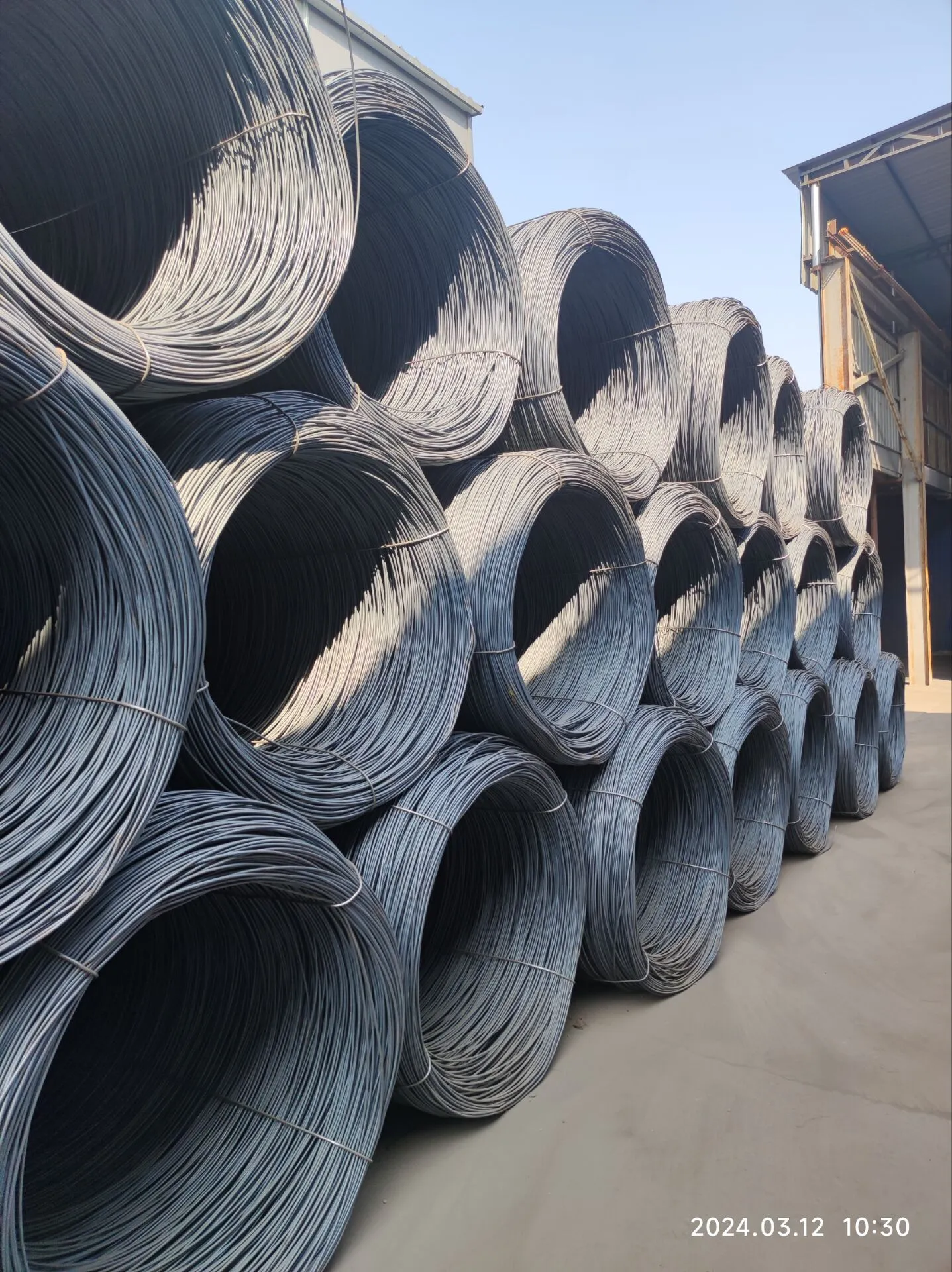
2mm iron wire, often categorized as low-carbon steel wire, is a foundational material across a diverse range of industrial applications. Its position within the broader metallic materials supply chain is as a semi-finished product, derived from hot rolling or wire drawing processes performed on iron billets or rods. Core performance characteristics center around its tensile strength, ductility, weldability, and cost-effectiveness. While susceptible to corrosion, its inherent mechanical properties and relatively low cost make it a preferred choice in applications where high strength-to-weight ratios aren't paramount, and corrosion mitigation strategies are implemented. Understanding its material properties, manufacturing nuances, and potential failure modes is critical for ensuring reliable performance in demanding engineering contexts. This guide provides an in-depth technical overview of 2mm iron wire, addressing material science, manufacturing processes, performance parameters, failure analysis, and relevant industry standards.
Material Science & Manufacturing
The primary raw material for 2mm iron wire is low-carbon steel, typically containing between 0.05% and 0.25% carbon by weight. Other alloying elements present in trace amounts can include manganese (0.20-0.90%), silicon (0.05-0.30%), phosphorus (≤0.04%), and sulfur (≤0.05%). The carbon content dictates the wire's hardness and tensile strength; higher carbon levels increase strength but reduce ductility. Iron’s crystalline structure is body-centered cubic (BCC), influencing its magnetic and mechanical behavior. Manufacturing typically involves the following steps: 1) Hot Rolling: Iron billets are passed through a series of rollers to reduce their diameter. 2) Acid Pickling: The hot-rolled wire is immersed in an acid solution (typically hydrochloric acid) to remove mill scale and surface impurities. 3) Wire Drawing: The pickled wire is then drawn through progressively smaller dies, reducing its diameter to 2mm and increasing its tensile strength through work hardening. Key parameters controlled during wire drawing include die angle, drawing speed, and lubrication. Lubricants (typically soaps or metallic stearates) minimize friction and prevent die wear. 4) Annealing (Optional): To restore ductility after significant cold working, the wire may undergo annealing – a heat treatment process involving heating to a specific temperature followed by controlled cooling. 5) Coating (Optional): Galvanization or other protective coatings can be applied to enhance corrosion resistance. Accurate control of cooling rates during annealing is vital to prevent the formation of undesirable microstructures which can compromise material properties.
Performance & Engineering
The performance of 2mm iron wire is heavily influenced by its mechanical properties and environmental resistance. Tensile strength, typically ranging from 350-500 MPa, determines its ability to withstand tensile loads without fracture. Ductility, measured by percentage elongation, reflects its ability to deform plastically before breaking. Yield strength (around 250-350 MPa) represents the stress at which permanent deformation begins. Force analysis in applications such as fencing or binding requires accurate calculation of tensile loads and appropriate safety factors. Environmental resistance is a critical consideration. Iron wire is susceptible to corrosion, particularly in humid or corrosive environments. Corrosion manifests as rust (iron oxide), which weakens the wire and reduces its load-bearing capacity. Mitigation strategies include galvanization (zinc coating), painting, or the use of corrosion inhibitors. Compliance requirements vary depending on the application. For example, wire used in construction may need to meet specific standards for load-bearing capacity and corrosion resistance outlined by local building codes. Furthermore, applications involving electrical conductivity require consideration of the wire’s electrical resistivity and adherence to relevant safety standards.
Technical Specifications
| Parameter | Typical Value | Testing Standard | Unit |
|---|---|---|---|
| Nominal Diameter | 2.00 | ISO 286 | mm |
| Tensile Strength | 400-500 | ASTM A82 | MPa |
| Yield Strength | 280-380 | ASTM A82 | MPa |
| Elongation at Break | 15-25 | ASTM A82 | % |
| Hardness (Brinell) | 120-180 | ASTM E10 | HB |
| Density | 7.87 | ASTM E933 | g/cm³ |
Failure Mode & Maintenance
2mm iron wire is susceptible to several failure modes in practical applications. Fatigue cracking can occur under cyclic loading, initiating at surface defects or stress concentrations. This is particularly common in applications involving repeated bending or tension. Corrosion is a significant contributor to failure, leading to material degradation and reduced tensile strength. Rust formation creates pits and weakens the wire's cross-section. Overload – exceeding the wire’s tensile strength – results in immediate fracture. Hydrogen embrittlement, while less common, can occur in acidic environments, reducing ductility and increasing susceptibility to cracking. Creep, a time-dependent deformation under constant load, is generally not a significant concern for 2mm iron wire at ambient temperatures. Maintenance strategies to prolong service life include: regular inspection for signs of corrosion or damage; applying protective coatings (e.g., paint, galvanization) to prevent corrosion; and avoiding exceeding the wire’s load capacity. In corrosive environments, periodic cleaning and re-application of protective coatings are essential. If fatigue cracking is suspected, the wire should be replaced immediately. Preventative maintenance routines that address environmental factors and load conditions are critical for extending the operational lifespan of iron wire installations.
Industry FAQ
Q: What is the impact of manganese content on the mechanical properties of 2mm iron wire?
A: Increasing manganese content within the typical range (0.20-0.90%) generally increases tensile strength and hardenability, while slightly decreasing ductility. Manganese acts as a grain refiner, promoting a finer microstructure which enhances strength. However, excessive manganese can lead to brittleness.
Q: How does the wire drawing process affect the grain structure of the iron wire?
A: Wire drawing introduces significant plastic deformation, leading to work hardening and a change in grain structure. The grains become elongated in the drawing direction and the dislocation density increases. This results in higher tensile strength but reduced ductility. Annealing is often used to restore ductility by reducing the dislocation density and promoting grain growth.
Q: What are the key differences between galvanized and painted coatings for corrosion protection?
A: Galvanization provides a sacrificial protective layer; the zinc coating corrodes preferentially, protecting the iron wire. It offers robust protection even if the coating is scratched. Painting, on the other hand, provides a barrier layer, preventing contact between the iron and the corrosive environment. However, paint is susceptible to chipping and requires periodic re-application. Galvanization generally offers superior long-term corrosion resistance.
Q: What safety factors should be considered when using 2mm iron wire in a load-bearing application?
A: A safety factor of at least 4:1 is generally recommended for static load applications, and a higher safety factor (e.g., 6:1 or greater) is advisable for dynamic or cyclic loading. The safety factor accounts for uncertainties in material properties, load calculations, and potential environmental factors. Regular inspections and maintenance are also crucial for ensuring continued safety.
Q: Is 2mm iron wire suitable for use in seawater environments?
A: Untreated 2mm iron wire is not suitable for prolonged exposure to seawater due to the highly corrosive nature of saltwater. Rapid corrosion will occur, leading to significant strength loss. If use in a seawater environment is unavoidable, a robust corrosion protection system, such as a specialized marine-grade coating or cathodic protection, is essential. Alternatively, using stainless steel wire would be preferable.
Conclusion
2mm iron wire remains a versatile and cost-effective material across diverse industrial sectors, underpinned by its fundamental mechanical properties and ease of manufacturing. However, its susceptibility to corrosion necessitates careful consideration of environmental factors and implementation of appropriate protective measures. Understanding the nuances of material science, manufacturing processes, and potential failure modes is paramount for ensuring reliable performance and maximizing service life.
Future advancements in corrosion-resistant coatings and alloy development will further enhance the durability and applicability of iron wire. Furthermore, optimizing manufacturing processes, particularly wire drawing and annealing, will allow for tighter control of mechanical properties and improved consistency in product quality. The continued evolution of industry standards will also play a crucial role in promoting safe and effective utilization of this essential material.