



Introduction
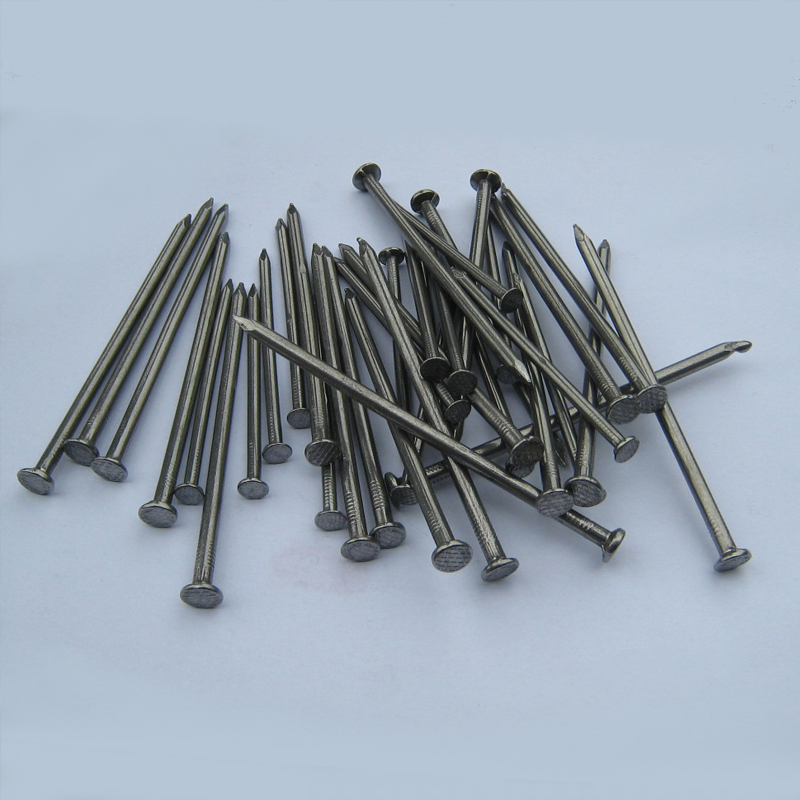
3.15 mm galvanised wire is a cold-drawn steel wire coated with a layer of zinc, offering corrosion resistance and enhanced durability. Its technical positioning within the broader metallic materials industry is as a fundamental component in various fabrication and construction processes. Serving as a precursor to numerous finished products, including fencing, cable armouring, binding wire, and spring manufacture, it bridges the gap between raw steel production and specialized applications. The core performance characteristics defining this wire relate to its tensile strength, ductility, zinc coating thickness, and resistance to environmental degradation. It's a crucial element in infrastructure, agriculture, and numerous manufacturing sectors where preventing rust and maintaining structural integrity are paramount. This guide provides an in-depth technical analysis of 3.15mm galvanised wire, covering material science, manufacturing processes, performance metrics, failure modes, and relevant industry standards.
Material Science & Manufacturing
The primary raw material is low-carbon steel, typically SAE 1006 or similar grades. This steel possesses sufficient ductility for cold drawing but requires the protection of galvanization due to its susceptibility to corrosion. The steel’s composition impacts its mechanical properties; higher carbon content increases tensile strength but reduces ductility. Manufacturing begins with hot rolling steel billets into wire rod. This rod then undergoes a multi-stage cold drawing process, reducing the diameter to 3.15 mm. Critical parameters during cold drawing include die angle, reduction ratio per pass, and drawing speed. Insufficient lubrication or excessive reduction can lead to wire breakage. Following cold drawing, the wire is thoroughly cleaned to remove oils, rust, and mill scale, preparing the surface for zinc adhesion. Galvanization is typically achieved through a continuous hot-dip process. The wire is passed through a bath of molten zinc (typically 98% purity or greater), forming a metallurgical bond. The zinc coating thickness is a critical parameter, influencing corrosion resistance; typical values range from 40-60 μm. The cooling rate post-galvanization affects the microstructure of the zinc coating, influencing its adherence and long-term performance. Post-treatment options include passivation (chromate conversion coating) to further enhance corrosion resistance and create a smooth surface finish, and the application of a thin polymeric coating for added protection and aesthetics. The zinc-iron alloy layers formed during hot-dip galvanizing consist of Zeta (Zn7Fe), Delta (Zn10Fe), Gamma (Zn5Fe), and Alpha (Zn) phases, each contributing differently to the coating's characteristics.
Performance & Engineering
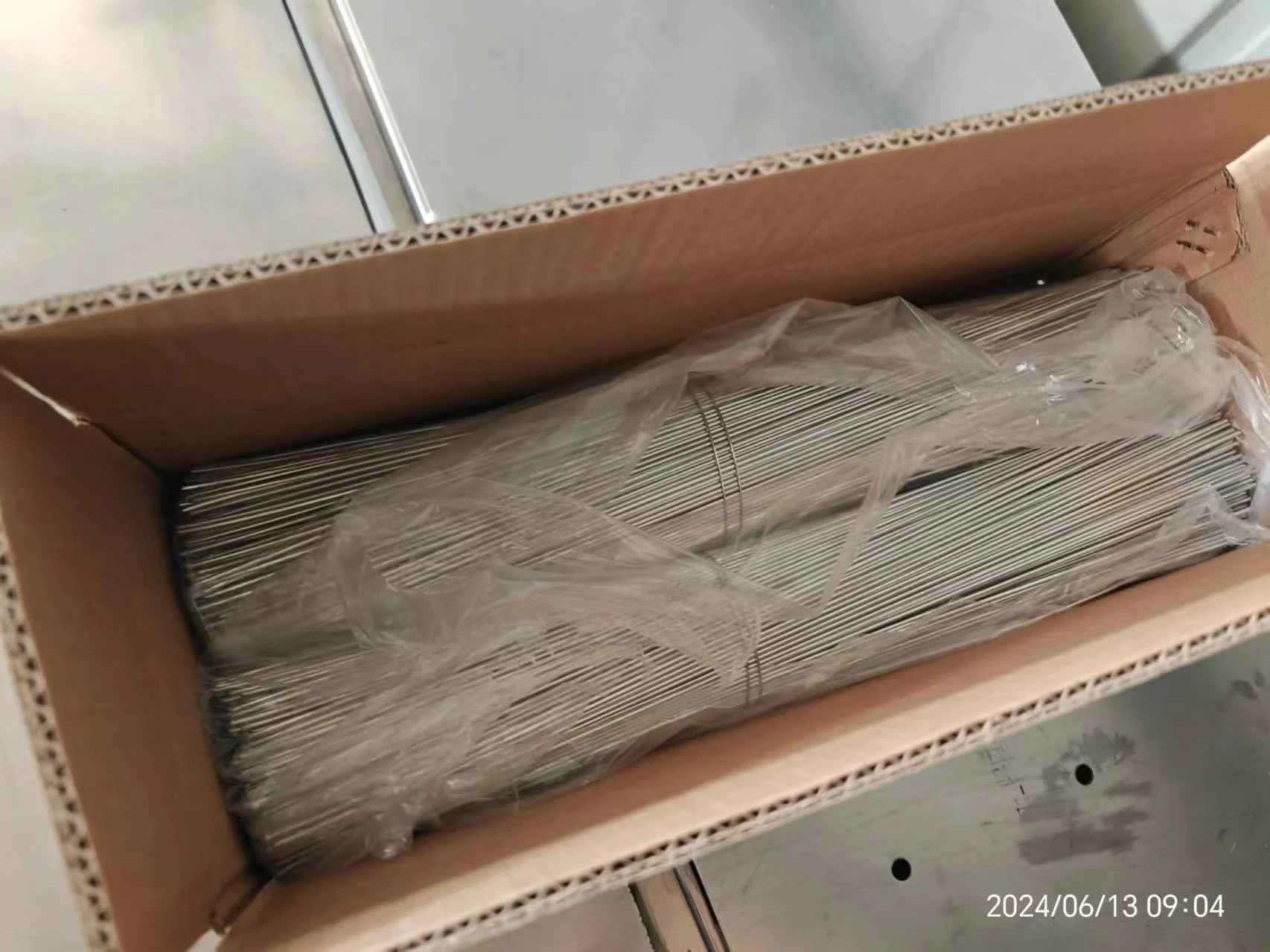
The mechanical performance of 3.15 mm galvanised wire is governed by its tensile strength, yield strength, elongation, and torsion resistance. Tensile strength typically ranges from 400-550 MPa, dependent on the steel grade and cold working. Yield strength is approximately 300-400 MPa. Elongation, a measure of ductility, should be greater than 10% to allow for forming and bending applications. Engineering analysis of applications involving this wire necessitates consideration of load distribution and stress concentration points. In fencing applications, wind loading and impact resistance are key design factors. For cable armouring, fatigue life under cyclic bending is critical. The zinc coating provides galvanic protection, sacrificing itself to corrode before the steel substrate. This protection is most effective in environments with high moisture content and salinity. However, in acidic environments, the zinc coating can dissolve rapidly, reducing its effectiveness. Compliance requirements vary by application. For example, fencing used in agricultural settings may need to comply with specific regional standards regarding animal containment. Wire used in high-stress applications requires rigorous quality control and adherence to relevant manufacturing standards. The environmental resistance is dictated by the coating thickness and the presence of any post-treatment. Accelerated corrosion testing, such as salt spray testing (ASTM B117), is employed to assess the long-term durability of the coating. The galvanisation process introduces residual stresses in the coating; heat treatment can be used to relieve these stresses and improve coating adhesion. The wire’s performance is also affected by the manufacturing process; improper annealing can lead to reduced ductility.
Technical Specifications
| Parameter | Unit | Typical Value | Testing Standard |
|---|---|---|---|
| Diameter | mm | 3.15 ± 0.05 | ISO 287 |
| Tensile Strength | MPa | 400 - 550 | ASTM A610 |
| Yield Strength | MPa | 300 - 400 | ASTM A610 |
| Elongation | % | >10 | ASTM A610 |
| Zinc Coating Thickness | μm | 40 - 60 | ASTM B693 |
| Zinc Coating Weight | g/m2 | 80-120 | ISO 468 |
Failure Mode & Maintenance
Common failure modes for 3.15 mm galvanised wire include corrosion-induced failure, fatigue cracking, and tensile overload. Corrosion occurs when the zinc coating is depleted, exposing the steel substrate to the environment. Uniform corrosion is relatively slow, but localized corrosion, such as pitting, can accelerate failure. Pitting is initiated by defects in the zinc coating or the presence of chloride ions. Fatigue cracking can occur in applications involving cyclic loading, such as springs or cable armouring. This is initiated by microscopic flaws in the wire material and propagated by repeated stress. Tensile overload occurs when the applied load exceeds the wire’s tensile strength, leading to fracture. Maintenance strategies focus on preventing corrosion and mitigating fatigue. Regular inspection for corrosion is crucial, particularly in harsh environments. Damaged or corroded sections should be replaced promptly. For applications subject to cyclic loading, periodic stress relief annealing can extend the wire’s fatigue life. Applying protective coatings, such as epoxy or polyurethane, can provide an additional barrier against corrosion. The presence of bi-metallic corrosion should also be considered when using this wire in conjunction with other metals, such as aluminium. Proper storage conditions are essential; the wire should be stored in a dry, well-ventilated area to prevent premature corrosion. Failure analysis techniques, including metallography and scanning electron microscopy (SEM), can be used to determine the root cause of failure and improve future designs.
Industry FAQ
Q: What is the primary difference between hot-dip galvanizing and electrogalvanizing for 3.15mm wire, and how does it impact corrosion resistance?
A: Hot-dip galvanizing results in a thicker zinc coating with a metallurgical bond to the steel, providing superior corrosion resistance, especially in harsh outdoor environments. Electrogalvanizing produces a thinner, smoother coating that is aesthetically pleasing but offers less robust long-term corrosion protection. The thicker coating in hot-dip galvanizing provides more sacrificial protection.
Q: How does the carbon content in the steel substrate affect the ductility and weldability of the 3.15mm galvanised wire?
A: Higher carbon content increases the tensile strength of the steel, but it significantly reduces its ductility and weldability. Low-carbon steel, like SAE 1006, is preferred for galvanised wire because it offers a good balance of strength and formability, enabling easier bending, twisting, and joining.
Q: What are the key considerations when specifying 3.15mm galvanised wire for use in high-stress applications, such as spring manufacturing?
A: In high-stress applications, focus on the wire’s tensile strength, yield strength, elongation, and fatigue life. Specify a higher tensile strength grade of steel and ensure rigorous quality control during the cold drawing and galvanizing processes. Stress relief annealing post-galvanization is also recommended to minimize residual stresses and improve fatigue performance.
Q: How can I assess the quality of the zinc coating on 3.15mm galvanised wire before it’s used in a project?
A: Visual inspection for uniformity and defects is a first step. More reliable methods include coating thickness measurement using magnetic or eddy current gauges (ASTM B826) and salt spray testing (ASTM B117) to evaluate corrosion resistance. Adhesion testing, such as the bend test (ASTM A780), can also verify the coating’s bond to the steel.
Q: What impact does passivation have on the long-term performance of galvanised 3.15 mm wire, and is it always necessary?
A: Passivation, typically using chromate conversion coatings, creates a protective layer over the zinc coating, enhancing corrosion resistance and providing a smoother surface for subsequent coatings. While not always necessary, it's highly recommended for applications exposed to particularly aggressive environments, such as marine or industrial settings, or where aesthetic appearance is crucial.
Conclusion
3.15 mm galvanised wire is a versatile and essential material in a multitude of industrial applications. Its performance is directly linked to the interplay of material science—specifically the steel grade and zinc coating—and meticulous manufacturing processes, including cold drawing and hot-dip galvanization. Understanding the technical specifications, potential failure modes, and relevant industry standards is critical for ensuring the longevity and reliability of structures and components utilizing this wire.
Future advancements in galvanization technology, such as exploring alternative coating materials and optimizing the coating process for improved adhesion and corrosion resistance, will further enhance the performance of this widely used wire. Continued research into fatigue behavior and the mitigation of localized corrosion will be essential for applications demanding high durability and safety. Ultimately, a comprehensive understanding of the technical aspects discussed herein is indispensable for procurement professionals, engineers, and fabricators alike.