



Introduction
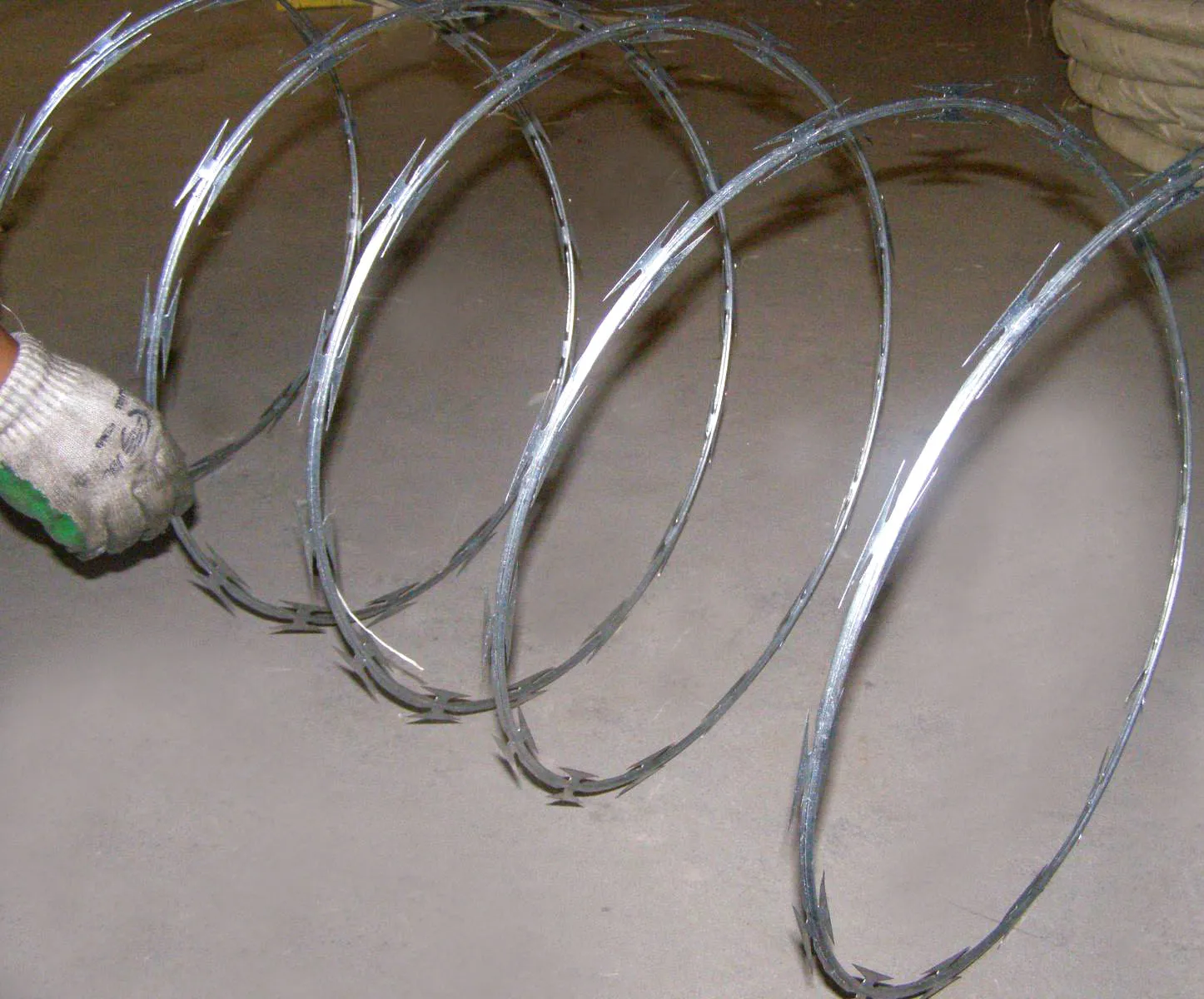
3/16 inch (approximately 4.76 mm) galvanized wire is a carbon steel wire coated with a layer of zinc. This coating provides corrosion resistance, making it a widely used material across numerous industries including construction, agriculture, manufacturing, and telecommunications. Its technical position within the broader wire industry centers on its balance of tensile strength, formability, and cost-effectiveness. Galvanization, typically achieved through hot-dip processing, is a critical factor differentiating this wire from bare steel alternatives. Core performance characteristics include its load-bearing capacity, resistance to environmental degradation, and suitability for fabrication into various components like cables, fences, and structural supports. The increasing demand for durable and cost-effective materials positions galvanized wire as a staple in infrastructure and industrial applications. This guide provides an in-depth examination of 3/16 galvanized wire, covering its material science, manufacturing processes, performance characteristics, potential failure modes, and relevant industry standards.
Material Science & Manufacturing
The base material for 3/16 galvanized wire is typically carbon steel, with a common grade being SAE 1008 or similar low-carbon steel formulations. This steel comprises primarily iron with a small percentage of carbon (typically less than 0.15%) and trace amounts of other elements like manganese, phosphorus, and sulfur. The physical properties of the steel, including tensile strength, yield strength, and ductility, are crucial. Manufacturing begins with the drawing of steel rod through a series of dies to achieve the desired 3/16 inch diameter. Precise control of the drawing process – including die lubrication, reduction ratios, and cooling – is essential to maintain dimensional accuracy and prevent work hardening. The subsequent galvanization process typically utilizes hot-dip galvanizing, where the wire is submerged in a bath of molten zinc (typically 98% pure). The zinc reacts with the steel to form a series of metallurgical layers: Gamma, Zeta, Delta, and Eta, providing both barrier and sacrificial protection against corrosion. Parameters like bath temperature (around 450°C), immersion time, and the steel’s surface condition (pre-cleaning is vital – acid pickling, rinsing, and drying) significantly affect coating thickness and uniformity. Post-galvanization treatments, such as passivating or chromate conversion coatings, can further enhance corrosion resistance, though environmental regulations are increasingly limiting the use of chromates.
Performance & Engineering
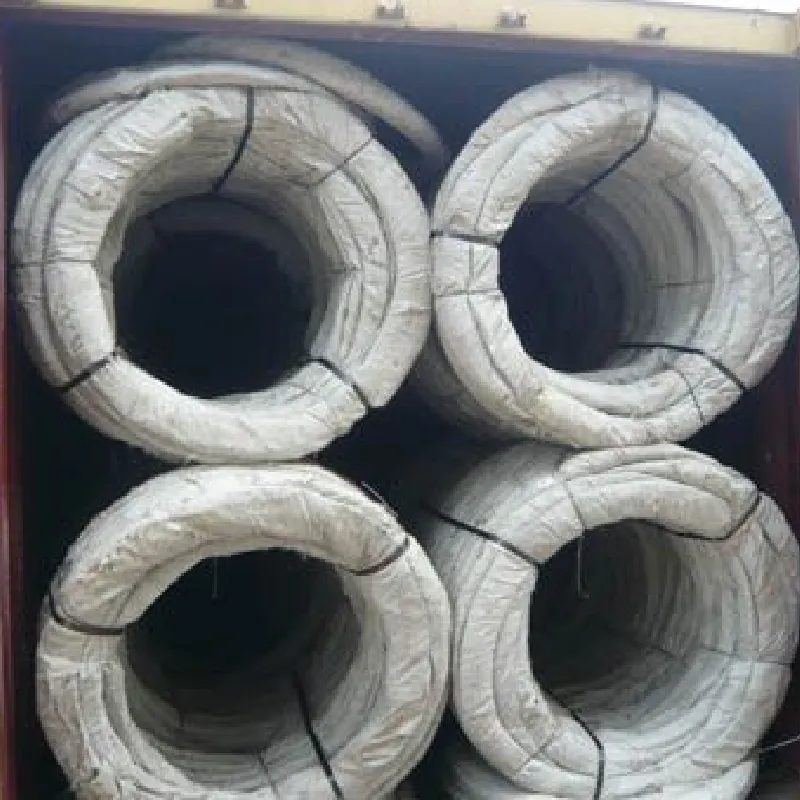
The performance of 3/16 galvanized wire is heavily influenced by its mechanical and environmental resistance properties. Force analysis is critical in applications where the wire is subjected to tensile loads, such as in suspension cables or fencing. The ultimate tensile strength (UTS) typically ranges from 80,000 to 100,000 psi (550-690 MPa), depending on the steel grade and galvanization process. Yield strength, indicating the point at which permanent deformation occurs, is generally around 50,000 to 70,000 psi (345-483 MPa). Environmental resistance is primarily governed by the zinc coating's ability to prevent corrosion. Galvanic protection, where zinc corrodes preferentially to the steel, safeguards the underlying metal even if the coating is scratched or damaged. However, the rate of zinc corrosion is affected by factors such as humidity, salinity, and atmospheric pollutants (e.g., sulfur dioxide). Compliance requirements vary based on the intended application. For example, fencing wire used in agricultural settings may need to meet specific standards for zinc coating weight and tensile strength as defined by governing agricultural bodies. For structural applications, adherence to building codes and relevant engineering standards (e.g., those set by the American Society of Civil Engineers) is essential. Furthermore, the wire's formability – its ability to be bent, twisted, and woven without cracking – is a key engineering consideration during fabrication.
Technical Specifications
| Diameter (inches) | Diameter (mm) | Zinc Coating Weight (g/m2) | Tensile Strength (psi) | Yield Strength (psi) | Elongation (%) |
|---|---|---|---|---|---|
| 3/16 | 4.76 | 40-60 | 80,000 - 100,000 | 50,000 - 70,000 | 15-25 |
| 3/16 | 4.76 | 60-80 | 90,000 - 110,000 | 60,000 - 80,000 | 18-28 |
| 3/16 | 4.76 | 80-100 | 95,000 - 120,000 | 65,000 - 85,000 | 20-30 |
| 3/16 | 4.76 | 120-150 | 100,000 - 130,000 | 70,000 - 90,000 | 22-32 |
| 3/16 | 4.76 | 150-200 | 110,000 - 140,000 | 75,000 - 95,000 | 25-35 |
| 3/16 | 4.76 | 200-250 | 120,000 - 150,000 | 80,000 - 100,000 | 28-38 |
Failure Mode & Maintenance
Several failure modes can affect 3/16 galvanized wire in practical applications. Corrosion, despite the zinc coating, remains a primary concern, especially in harsh environments. Uniform corrosion slowly reduces the wire's cross-sectional area, diminishing its tensile strength. However, localized corrosion, such as pitting corrosion (caused by chloride ions) or crevice corrosion (occurring in shielded areas), can lead to rapid and catastrophic failure. Mechanical fatigue, arising from repeated bending or tension, can induce fatigue cracking, particularly at stress concentration points (e.g., bends, notches). Hydrogen embrittlement, a less common but serious issue, occurs when atomic hydrogen diffuses into the steel during galvanization, reducing its ductility and making it susceptible to cracking. Delamination of the zinc coating, caused by poor adhesion or excessive stress, exposes the underlying steel to corrosion. Maintenance strategies focus on preventative measures. Regular inspections for signs of corrosion (rust spots, white rust) are crucial. Applying protective coatings (e.g., paints, sealants) over the galvanized layer can provide an additional barrier against corrosion. Lubrication of moving wire components can reduce friction and minimize fatigue. For applications involving high stress or corrosive environments, periodic wire replacement is recommended to prevent catastrophic failure. Proper storage of the wire, protected from moisture and contaminants, is also essential.
Industry FAQ
Q: What is the typical lifespan of 3/16 galvanized wire in an outdoor, coastal environment?
A: The lifespan is highly variable, but generally ranges from 5 to 15 years. The high salinity and humidity of coastal environments accelerate corrosion. More frequent inspections and potential supplemental protective coatings are essential in these conditions. A thicker zinc coating will significantly extend service life.
Q: How does the galvanization process affect the wire’s ductility?
A: The hot-dip galvanizing process can slightly reduce ductility due to the formation of brittle intermetallic layers at the steel-zinc interface. However, modern galvanizing techniques and careful process control minimize this effect. Post-treatment options like annealing can restore some ductility if necessary.
Q: What is the difference between Class 1, Class 2, and Class 3 galvanization?
A: These classifications refer to the zinc coating weight (g/m2). Class 1 offers the lightest coating, while Class 3 provides the heaviest. Higher classes provide greater corrosion resistance but also increase cost. Class 1 is typically sufficient for indoor applications, while Class 3 is recommended for severe outdoor environments.
Q: Can 3/16 galvanized wire be welded?
A: Yes, but welding galvanized wire requires specific techniques to avoid releasing toxic zinc fumes. Adequate ventilation is critical, and using a flux specifically designed for galvanized steel is recommended. The weld area will lose its galvanization and may require post-weld protection.
Q: Is there a viable alternative to galvanization for corrosion protection?
A: Yes, alternatives include epoxy coating, powder coating, and stainless steel wire. However, these alternatives typically come at a higher cost. Epoxy and powder coatings provide excellent corrosion resistance but can be susceptible to damage, exposing the underlying steel. Stainless steel offers superior corrosion resistance but is considerably more expensive than galvanized steel.
Conclusion
3/16 galvanized wire remains a vital component across a diverse range of industries due to its favorable combination of strength, corrosion resistance, and cost-effectiveness. The manufacturing process, centered around hot-dip galvanization, is critical in determining the wire’s performance characteristics and longevity. Understanding the potential failure modes – from localized corrosion to fatigue cracking – is essential for implementing effective preventative maintenance strategies and ensuring structural integrity.
Continued advancements in galvanizing technologies, coupled with growing demands for sustainable infrastructure, will likely drive further optimization of this versatile material. Future developments may focus on refining zinc alloy coatings, enhancing adhesion properties, and exploring environmentally friendly alternatives to traditional chromate conversion coatings. Selecting the appropriate wire grade and galvanization class, based on specific application requirements and environmental conditions, remains paramount to maximizing service life and minimizing the risk of premature failure.