



Introduction
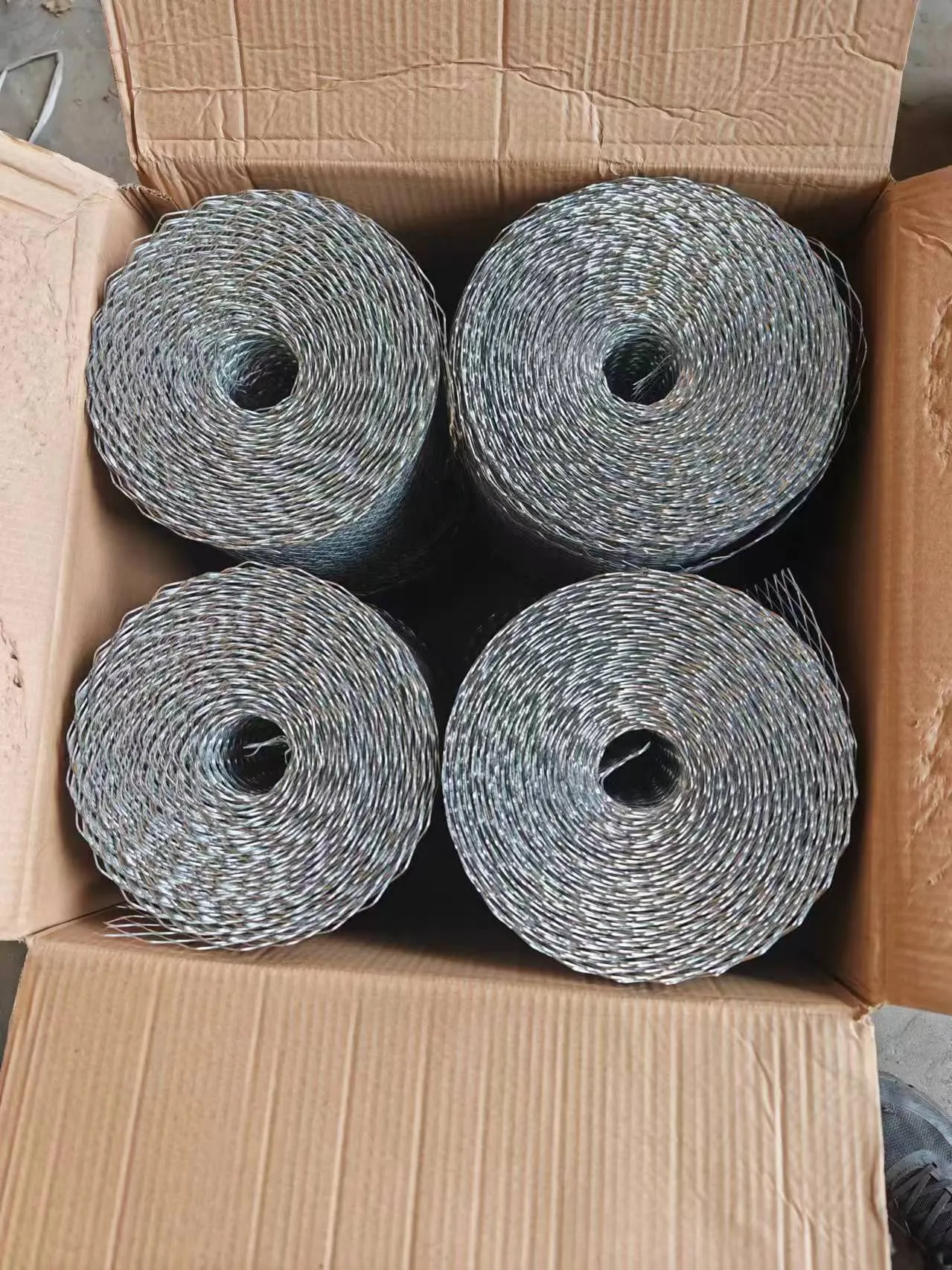
3.5 mm galvanised wire is a carbon steel wire coated with a layer of zinc through a process of hot-dip galvanisation. This coating provides superior corrosion resistance compared to bare steel, making it a widely utilized material across diverse industrial applications. Within the broader wire product landscape, 3.5 mm galvanised wire occupies a crucial niche due to its balance of tensile strength, flexibility, and cost-effectiveness. Its dimensional consistency, defined by its 3.5 mm diameter, allows for precision in applications requiring specific load-bearing or shaping characteristics. Core performance characteristics include yield strength, tensile strength, elongation, and zinc coating thickness, all directly impacting its longevity and suitability for various environments. This guide provides an in-depth technical analysis of 3.5 mm galvanised wire, encompassing its material science, manufacturing processes, performance parameters, potential failure modes, and relevant industry standards.
Material Science & Manufacturing
The base material for 3.5 mm galvanised wire is typically carbon steel, most commonly SAE 1008 or similar grades. These steels are chosen for their weldability, ductility, and moderate tensile strength. The chemical composition primarily consists of iron, with carbon content typically ranging from 0.08% to 0.15% by weight. Manganese, phosphorus, and sulfur are present in controlled quantities to influence steel properties. The manufacturing process begins with wire drawing, where steel rods are pulled through a series of progressively smaller dies to achieve the 3.5 mm diameter. This process work-hardens the steel, increasing its tensile strength but reducing ductility. Annealing follows, a heat treatment process that restores ductility and relieves internal stresses. The crucial step is hot-dip galvanisation. Wire is cleaned to remove surface impurities (pickling with hydrochloric acid is common), fluxed (typically with zinc ammonium chloride) to promote zinc adhesion, and then immersed in a molten zinc bath (maintained at approximately 450-460°C). The zinc metallurgically bonds to the steel surface, forming a protective layer. Post-galvanisation, the wire undergoes cooling, inspection for coating uniformity, and often a passivation treatment (chromate conversion coating) to enhance corrosion resistance further. Parameter control is vital: zinc bath temperature, immersion time, steel cleanliness, and cooling rate all directly impact coating thickness, adhesion, and overall product quality. Variations in carbon content, drawing speed, and annealing temperature affect the mechanical properties of the steel core.
Performance & Engineering
The performance of 3.5 mm galvanised wire is dictated by a combination of the steel core’s mechanical properties and the zinc coating’s protective capabilities. Key engineering considerations include tensile strength (typically 390-550 MPa, dependent on steel grade and drawing process), yield strength (around 240-350 MPa), elongation (10-20%), and corrosion resistance. Force analysis in applications like fencing or cable bracing necessitates accurate calculation of the wire's load-bearing capacity under tensile stress. Environmental resistance is primarily provided by the zinc coating, which acts as a barrier and provides sacrificial corrosion protection (galvanic protection). The rate of zinc consumption depends on environmental factors – humidity, salinity, and the presence of pollutants (sulfur dioxide, for instance). Compliance requirements vary by industry. Agricultural applications may require adherence to standards regarding zinc content in soil. Construction applications necessitate compliance with building codes regarding material strength and safety factors. Electrical applications, if any, mandate adherence to electrical conductivity and insulation standards. Furthermore, the wire's ability to withstand bending and forming without fracture is crucial in many applications. Bend tests and fatigue tests are employed to assess these properties. The zinc coating thickness influences the wire's long-term corrosion resistance; thicker coatings provide longer protection but can reduce ductility and increase cost.
Technical Specifications
| Parameter | Unit | Typical Value | Testing Standard |
|---|---|---|---|
| Diameter | mm | 3.5 ± 0.05 | ISO 289 |
| Tensile Strength | MPa | 450-550 | ASTM A610 |
| Yield Strength | MPa | 280-350 | ASTM A610 |
| Elongation | % | 12-18 | ASTM A610 |
| Zinc Coating Thickness | µm | 45-75 | ASTM B693 |
| Zinc Coating Weight | g/m² | 60-100 | ISO 468 |
Failure Mode & Maintenance
3.5 mm galvanised wire can fail through several mechanisms. One common failure mode is corrosion, particularly in harsh environments. While the zinc coating offers significant protection, it is susceptible to corrosion over time, especially at scratches or defects in the coating. This leads to ‘white rust’ (zinc oxide) and eventually ‘red rust’ (iron oxide). Another failure mode is hydrogen embrittlement, which can occur during the pickling process prior to galvanisation. Hydrogen atoms diffuse into the steel, reducing its ductility and increasing its susceptibility to cracking under stress. Mechanical failure can occur through fatigue cracking, especially in applications involving repeated bending or flexing. Creep, a slow deformation under sustained stress, can also lead to failure over extended periods. Furthermore, coating adhesion failure – where the zinc coating separates from the steel substrate – can occur due to poor surface preparation or improper galvanisation parameters. Maintenance primarily focuses on preventative measures. Regular inspection for coating damage is crucial. If damage is detected, the affected area should be cleaned and re-coated with a zinc-rich paint or subjected to local re-galvanisation. Avoid exposing the wire to excessively corrosive environments whenever possible. For applications involving bending or flexing, periodic inspection for signs of fatigue cracking is recommended. Proper storage in a dry environment prevents premature corrosion.
Industry FAQ
Q: What is the impact of zinc coating thickness on the lifespan of the wire in a marine environment?
A: Increased zinc coating thickness directly correlates with extended lifespan in marine environments. The thicker coating provides a greater sacrificial barrier, slowing down the corrosion rate of the steel substrate. However, beyond a certain thickness, the benefit diminishes, and potential issues with coating adhesion and reduced ductility become more prominent. A coating thickness between 60-100 g/m² is generally recommended for marine applications, balanced against cost and mechanical properties.
Q: How does the steel grade affect the wire’s suitability for high-stress applications, such as suspension cables?
A: Higher carbon steel grades (e.g., SAE 1018) offer increased tensile and yield strength compared to lower carbon grades like SAE 1008. For high-stress applications like suspension cables, a higher strength steel core is crucial to withstand the applied loads without permanent deformation or fracture. However, increased carbon content can reduce ductility, making the wire more brittle. A careful balance between strength and ductility is essential, often achieved through controlled alloy additions and heat treatment.
Q: What measures can be taken to mitigate hydrogen embrittlement during the galvanisation process?
A: Mitigating hydrogen embrittlement involves careful control of the pickling process. Using inhibitors in the pickling solution reduces the rate of hydrogen absorption. Post-pickling heat treatment (baking at low temperatures) allows hydrogen to diffuse out of the steel. Maintaining a clean zinc bath and avoiding contaminants minimizes hydrogen generation during galvanisation. Proper passivation treatment also helps to reduce the risk.
Q: Can 3.5mm galvanised wire be used for welding, and what precautions should be taken?
A: While galvanised wire can be welded, it requires specific precautions due to the presence of zinc. Zinc vaporizes at welding temperatures, producing fumes that are hazardous to health and can affect weld quality. Adequate ventilation is essential. Using a welding process that minimizes heat input, such as MIG or TIG, is recommended. The galvanised coating should be removed in the weld zone before welding to avoid porosity and ensure proper fusion. A de-oxidizer in the welding filler metal is often used to counteract the effects of zinc.
Q: What is the acceptable tolerance for diameter variation in a coil of 3.5mm galvanised wire?
A: The acceptable tolerance for diameter variation is typically ± 0.05 mm, as specified in ISO 289. This ensures that the wire conforms to the dimensional requirements for its intended application. Variations exceeding this tolerance may affect the wire's performance in applications requiring precise dimensions, such as weaving or winding.
Conclusion
3.5 mm galvanised wire represents a versatile and cost-effective material solution across a wide array of industries. Its inherent strength, coupled with the protective benefits of the zinc coating, ensures durability and longevity in diverse environmental conditions. Understanding the intricacies of its material science – from steel composition to galvanisation parameters – is crucial for selecting the appropriate grade and ensuring optimal performance. Careful consideration of potential failure modes, such as corrosion and fatigue, coupled with proactive maintenance strategies, is essential for maximising the service life of this widely used product.
Future advancements in galvanisation technology, including alternative coating materials and optimised process controls, are likely to further enhance the performance and sustainability of 3.5 mm galvanised wire. Continued research into corrosion mechanisms and mitigation strategies will refine existing standards and expand the applications of this fundamental building block in modern engineering. The enduring demand for a robust, reliable, and readily available material guarantees that 3.5 mm galvanised wire will remain a cornerstone of countless industries for years to come.