



Introduction
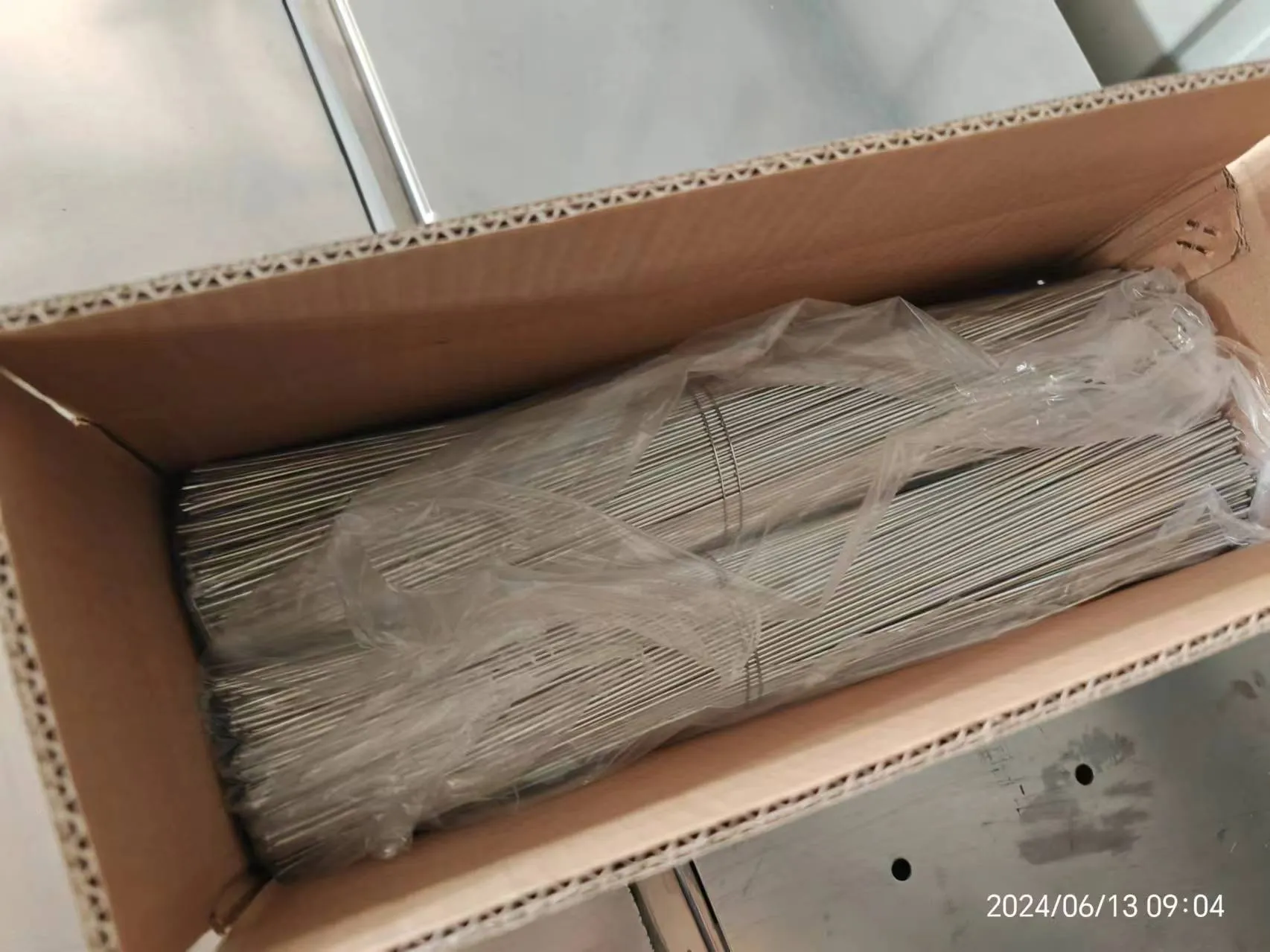
3mm galvanised garden wire is a ubiquitous fastening and support material employed extensively in horticulture, agriculture, and general DIY applications. Technically, it consists of low-carbon steel wire, typically SAE 1008 or similar, that has undergone a galvanization process, most commonly hot-dip galvanizing. Its positioning within the materials supply chain is as a semi-finished product; it represents a refined state of raw steel intended for direct application, unlike steel sheet or billets which require further fabrication. Core performance characteristics revolve around tensile strength, ductility, corrosion resistance, and formability. The primary industry pain point centers on balancing cost-effectiveness with longevity, as the galvanization coating determines the wire’s resistance to environmental degradation, directly impacting its service life. Suboptimal galvanization can lead to premature corrosion and failure, resulting in repeated replacement and increased operational costs. Furthermore, achieving consistent wire diameter and avoiding surface defects are crucial for uniform performance and safe handling.
Material Science & Manufacturing
The foundational material is low-carbon steel, possessing a typical carbon content of 0.08-0.15% by weight. This composition provides adequate ductility for wire drawing without compromising tensile strength. Other elements present in trace amounts include manganese (0.3-0.6%), phosphorus (≤0.04%), and sulfur (≤0.05%). The steel’s metallurgical structure is primarily ferrite with some pearlite, contributing to its balance of strength and ductility. The galvanization process involves immersing the steel wire in a molten zinc bath (typically 98% pure zinc) at temperatures around 450-460°C. This creates a series of zinc-iron alloy layers, forming a metallurgical bond between the coating and the substrate. Hot-dip galvanizing is preferred for garden wire due to its lower cost compared to electrogalvanizing and its thicker coating, providing enhanced corrosion protection. Key manufacturing parameters include wire drawing speed, zinc bath temperature, immersion time, and cooling rate. Precise control of these parameters is vital to ensure a uniform coating thickness and adherence. Post-galvanizing, the wire undergoes cooling and spooling. Surface finish is inspected for uniformity and defects such as lumps, bumps, or un-coated areas. The quality of the steel feedstock directly influences the final product's performance, necessitating stringent quality control procedures at the steel mill.
Performance & Engineering
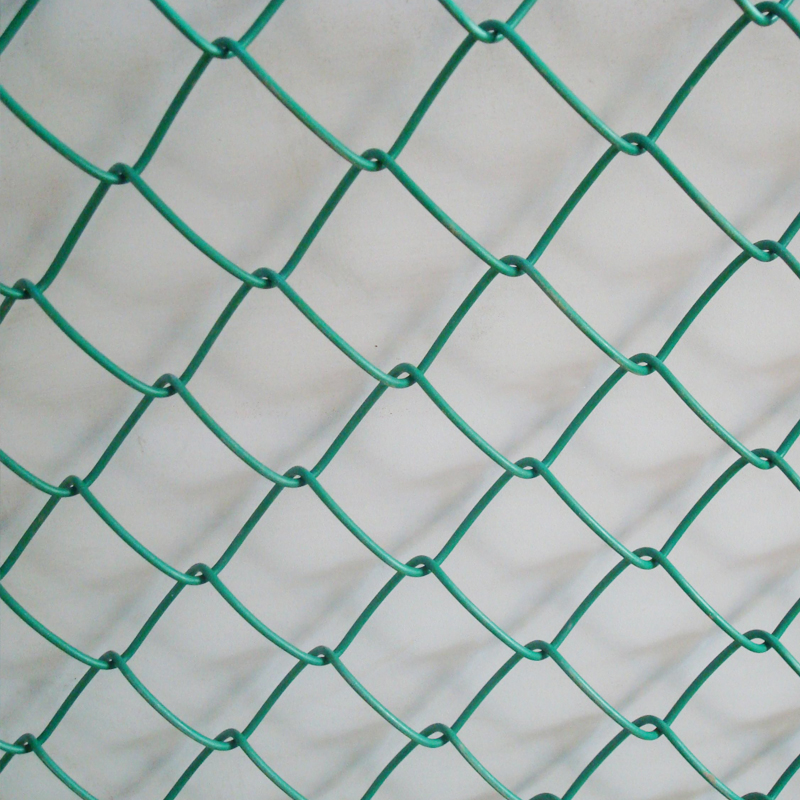
The primary engineering consideration for 3mm galvanised garden wire is its load-bearing capacity and resistance to environmental stresses. Tensile strength, typically ranging from 380-450 MPa, dictates the maximum load the wire can withstand before breaking. Elongation at break, usually between 10-15%, indicates its ductility and ability to deform before failure. The corrosion resistance is directly correlated to the zinc coating thickness, measured in grams per square meter (g/m²). A typical coating thickness for garden wire is 60-80 g/m². The zinc coating provides sacrificial protection; it corrodes preferentially, protecting the underlying steel. Environmental resistance must account for factors such as humidity, temperature fluctuations, salinity (in coastal environments), and exposure to acidic or alkaline conditions. Furthermore, the wire's behaviour under cyclic loading conditions (repeated bending and stretching) must be considered. Fatigue failure can occur at stress levels well below the ultimate tensile strength. Compliance requirements vary by region but generally adhere to standards related to material composition, coating thickness, and mechanical properties. Galvanic corrosion, a potential issue when the wire is in contact with dissimilar metals, needs mitigation through appropriate material selection or isolation techniques.
Technical Specifications
| Parameter | Unit | Typical Value | Test Method |
|---|---|---|---|
| Nominal Diameter | mm | 3.0 | Calipers |
| Tensile Strength | MPa | 400-450 | ASTM A653/A653M |
| Elongation at Break | % | 12-15 | ASTM A653/A653M |
| Zinc Coating Weight | g/m² | 60-80 | ASTM B693 |
| Zinc Coating Uniformity | % | ≥ 95 | Visual Inspection & Weight Loss Testing |
| Carbon Content (max) | % | 0.15 | Spectroscopic Analysis |
Failure Mode & Maintenance
Common failure modes for 3mm galvanised garden wire include corrosion, fatigue cracking, and breakage due to exceeding the tensile strength. Corrosion initiates at scratches or defects in the galvanization coating, accelerating rust formation. Crevice corrosion can occur in areas where moisture and debris accumulate. Fatigue cracking arises from repeated bending and tensioning, particularly in applications involving dynamic loads. This manifests as small cracks that propagate over time, eventually leading to wire failure. Breakage due to overload occurs when the applied force exceeds the wire’s tensile strength. Maintenance primarily focuses on preventative measures. Regular inspection for signs of corrosion or damage is crucial. For minor corrosion, cleaning the affected area and applying a zinc-rich protective coating can extend the wire's lifespan. Avoid exceeding the wire’s recommended load capacity. In areas prone to abrasion, consider using sleeves or protective coverings. Storage should be in a dry environment to prevent premature corrosion. Replacing the wire when significant corrosion or damage is observed is essential to maintain safety and prevent catastrophic failure. In applications involving high salinity or exposure to aggressive chemicals, more robust corrosion-resistant materials, such as stainless steel, should be considered.
Industry FAQ
Q: What is the impact of coating thickness on the wire's lifespan?
A: Coating thickness is the most significant factor determining corrosion resistance and, consequently, lifespan. A thicker coating provides greater sacrificial protection, delaying the onset of rust. Increasing the coating from 60 g/m² to 80 g/m² can realistically extend the serviceable life in moderate environments by 20-30%. However, excessively thick coatings can be brittle and prone to cracking.
Q: How does temperature affect the tensile strength of the wire?
A: While low-carbon steel exhibits relatively stable tensile strength at ambient temperatures, elevated temperatures can reduce it. Above 200°C, a measurable decrease in tensile strength begins to occur, although it's generally not a concern for typical garden wire applications. Conversely, low temperatures can increase brittleness, making the wire more susceptible to fracture under stress.
Q: What causes white rust to form on galvanised wire?
A: White rust (zinc carbonate) appears as a powdery white deposit on the surface of galvanised wire. It's formed by the reaction of zinc with carbon dioxide and moisture in the air. While it's aesthetically unappealing, it doesn’t typically compromise the structural integrity of the wire immediately. However, it can accelerate further corrosion if left untreated.
Q: Is it acceptable to bend the wire repeatedly in the same location?
A: Repeated bending in the same location induces fatigue stress, significantly reducing the wire’s lifespan. Fatigue cracks initiate at the bend and propagate with each cycle. Avoid sharp bends and distribute stress over a larger area whenever possible. If repeated bending is unavoidable, consider using a wire with a higher ductility and thicker galvanization.
Q: What are the implications of using galvanised wire in contact with aluminum?
A: Galvanised steel in direct contact with aluminum creates a galvanic couple, promoting accelerated corrosion of the steel due to aluminum’s more noble electrochemical potential. This is known as galvanic corrosion. To prevent this, isolate the two metals with a non-conductive barrier, such as plastic or rubber.
Conclusion
3mm galvanised garden wire represents a cost-effective solution for a wide range of applications requiring moderate tensile strength and corrosion resistance. The performance of this material is fundamentally dictated by the quality of the steel substrate and, critically, the integrity and thickness of the galvanization coating. Understanding the material science principles governing the galvanization process, coupled with a thorough consideration of environmental factors and potential failure modes, is paramount for ensuring long-term reliability and minimizing life-cycle costs.
Future developments in wire manufacturing may focus on enhancing the galvanization process through techniques like zinc-nickel alloy coatings which offer superior corrosion resistance, or exploring alternative coatings like polymeric materials for specialized applications. Further research into fatigue behaviour under complex loading conditions will be beneficial for optimizing wire designs and predicting service life with greater accuracy. Selecting the appropriate wire gauge and implementing preventative maintenance practices remain the most effective strategies for maximizing its performance and extending its useful life.