




Introduction
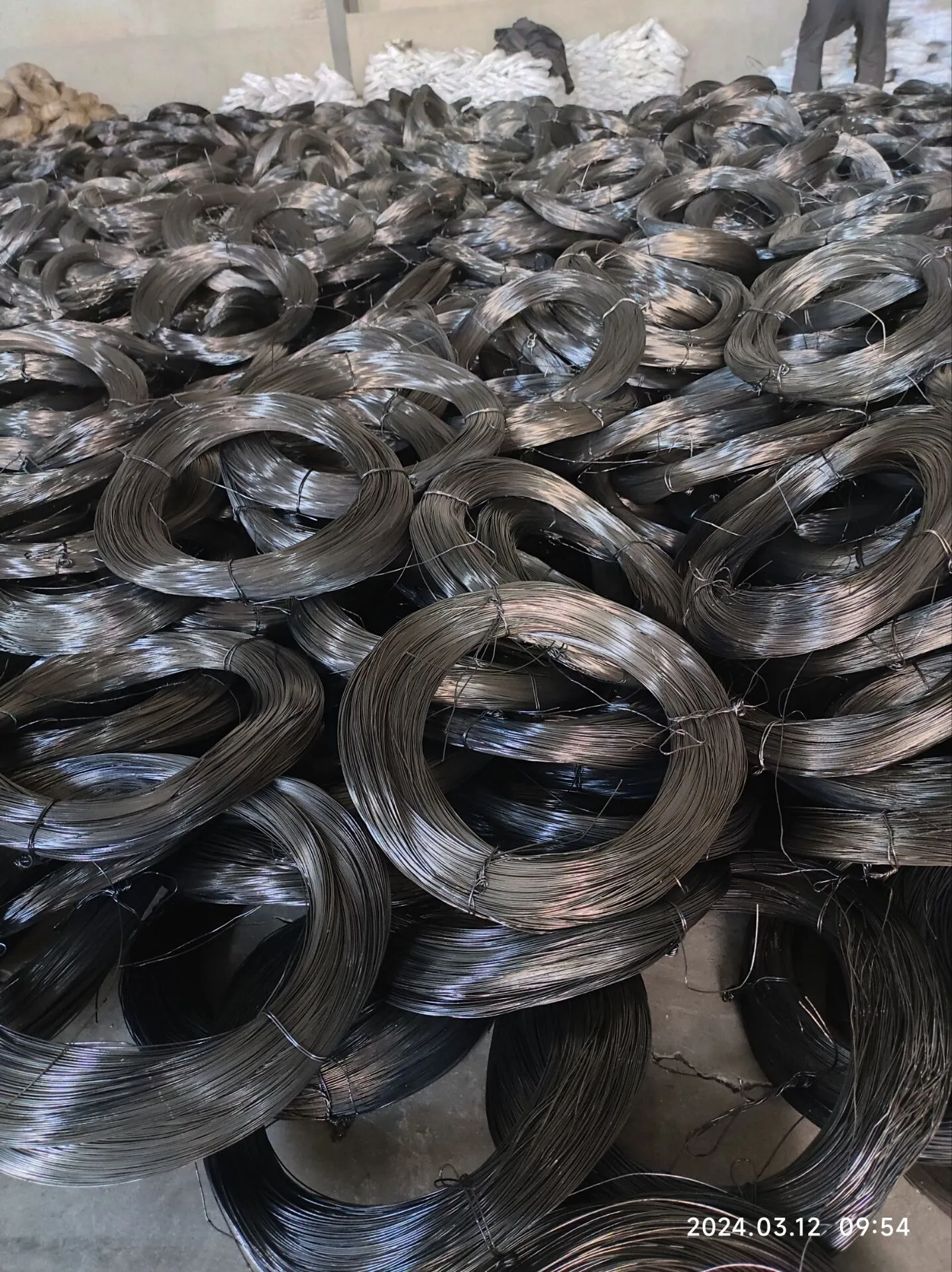
4mm galvanised steel wire is a high-strength, corrosion-resistant material widely utilized across numerous industrial applications including construction, agriculture, fencing, automotive, and manufacturing. Positioned as a fundamental component in wire rope fabrication, spring production, and as a binding/reinforcing element, its properties dictate the performance and longevity of finished products. Galvanisation, a zinc coating applied to the steel, provides crucial protection against oxidation, extending the service life in harsh environmental conditions. Core performance characteristics include tensile strength, yield strength, elongation, and corrosion resistance, all of which are meticulously controlled during manufacturing to meet specific application requirements. The prevalence of this wire stems from its cost-effectiveness and versatility, making it a staple in various engineering and construction projects. Understanding its properties, manufacturing process, and potential failure modes is paramount for ensuring structural integrity and optimizing performance.
Material Science & Manufacturing
The foundational material for 4mm galvanised steel wire is typically low-carbon steel, specifically SAE 1008 or similar grades, chosen for their ductility and weldability. Raw material composition includes iron as the primary element, with controlled levels of carbon (0.08%), manganese (0.30-0.60%), phosphorus (≤0.04%), and sulfur (≤0.05%). These elements influence the steel’s mechanical properties; carbon increases hardness and strength, while manganese improves hardenability and toughness. The manufacturing process begins with hot rolling of steel billets into wire rod. This is followed by pickling to remove mill scale, a surface oxide layer formed during hot rolling. Subsequent drawing through a series of dies reduces the diameter to 4mm, enhancing tensile strength and refining the microstructure. Critical parameters during drawing include die angle, reduction ratio, and lubrication to prevent galling and ensure dimensional accuracy. The galvanisation process is typically performed via hot-dip galvanising, where the wire is immersed in a molten zinc bath (98% pure zinc) at approximately 450°C. The steel-zinc metallurgical reaction forms a series of zinc-iron alloy layers, providing sacrificial corrosion protection. Post-galvanisation, the wire undergoes cooling, passivisation (chromate conversion coating, often replaced with more environmentally friendly alternatives), and winding onto spools. Quality control checks throughout the process include dimensional measurements, tensile testing, and coating thickness assessment using eddy current testing or coulometric titration.
Performance & Engineering
The engineering performance of 4mm galvanised steel wire is fundamentally governed by its mechanical properties and corrosion resistance. Tensile strength, typically ranging from 490-550 MPa, determines its load-bearing capacity. Yield strength (around 350-400 MPa) indicates the point at which permanent deformation begins. Elongation (15-25%) measures ductility and its ability to withstand plastic deformation before fracture. Force analysis in applications like cable systems necessitates calculating the wire's stress under tensile loads, factoring in safety factors to prevent failure. Environmental resistance is paramount. The zinc coating acts as a barrier and provides galvanic protection. However, in highly corrosive environments (e.g., saltwater exposure, industrial pollution), the zinc will corrode preferentially, sacrificing itself to protect the underlying steel. The rate of corrosion depends on factors like humidity, temperature, and the presence of chlorides or sulfates. Compliance requirements vary by industry. Construction applications require adherence to building codes specifying minimum tensile strength and galvanisation standards. Automotive applications necessitate compliance with automotive industry standards related to material properties and corrosion protection. Fatigue performance is critical in cyclical loading scenarios; repeated stress cycles can lead to fatigue cracking, even at stresses below the yield strength. This necessitates careful consideration of stress concentration points and surface finish quality.
Technical Specifications
| Parameter | Typical Value | Testing Standard | Units |
|---|---|---|---|
| Nominal Diameter | 4.0 | ISO 286 | mm |
| Tensile Strength | 490-550 | ASTM A615 | MPa |
| Yield Strength | 350-400 | ASTM A615 | MPa |
| Elongation | 15-25 | ASTM A615 | % |
| Zinc Coating Thickness | 40-60 | ASTM B693 | μm |
| Carbon Content | ≤0.08 | ASTM A615 | % |
Failure Mode & Maintenance
4mm galvanised steel wire can experience several failure modes in service. Corrosion is the most prevalent, manifesting as rust formation and ultimately leading to loss of section and reduced strength. Accelerated corrosion can occur in environments with high chloride content or acidic conditions. Fatigue cracking can initiate at stress concentrators, such as bends, notches, or surface imperfections, particularly under cyclic loading. Hydrogen embrittlement, a less common but potentially catastrophic failure mode, can occur due to the absorption of hydrogen during galvanisation or exposure to corrosive environments, leading to brittle fracture. Mechanical damage, including abrasion, bending, or impact, can compromise the wire's integrity. Creep, the slow and permanent deformation under sustained load, can occur at elevated temperatures. Maintenance strategies focus on preventative measures. Regular inspection for signs of corrosion, cracks, or deformation is crucial. Periodic cleaning to remove dirt, debris, and corrosive contaminants can extend service life. Application of protective coatings, such as paints or sealants, can provide an additional barrier against corrosion. For critical applications, non-destructive testing methods, like ultrasonic testing or magnetic particle inspection, can detect subsurface defects. If significant corrosion or damage is observed, the wire should be replaced to prevent catastrophic failure. Proper storage in a dry environment will mitigate corrosion during periods of non-use.
Industry FAQ
Q: What is the impact of varying zinc coating thickness on corrosion resistance?
A: Increasing the zinc coating thickness provides enhanced corrosion protection, as it increases the amount of sacrificial zinc available to corrode before the steel substrate is exposed. However, there is a diminishing return; beyond a certain thickness (typically around 80-100μm), the improvement in corrosion resistance becomes marginal and may introduce other issues like brittle coating cracking. Compliance with standards like ASTM B693 ensures minimum coating thicknesses for specific environments.
Q: How does the steel’s carbon content affect its galvanisability?
A: Higher carbon content generally reduces the steel’s galvanisability. Carbon forms iron carbide compounds that hinder the diffusion of zinc into the steel during the hot-dip galvanising process, leading to a less uniform and potentially thinner coating. Low-carbon steels, like SAE 1008, are preferred for galvanisation due to their superior reactivity with molten zinc.
Q: What are the limitations of using 4mm galvanised steel wire in highly acidic environments?
A: While galvanisation offers good corrosion resistance, it’s less effective in highly acidic environments. Acids accelerate the dissolution of zinc, depleting the protective layer more rapidly. In such conditions, alternative materials like stainless steel or specialty alloys with superior acid resistance are recommended. Periodic inspection and replacement are also critical in acidic environments.
Q: How does cold working (drawing) influence the mechanical properties of the wire?
A: Cold working increases the tensile and yield strength of the wire due to strain hardening. However, it also reduces ductility and elongation. Controlled annealing processes can be used to restore some of the lost ductility while maintaining the increased strength. The specific drawing schedule and annealing parameters are critical for achieving the desired mechanical properties.
Q: What are the common methods for verifying the quality of the galvanised coating?
A: Common methods include visual inspection for uniformity and defects, coating thickness measurement using eddy current testing or coulometric titration (ASTM B836), and adhesion testing (ASTM A780). Salt spray testing (ASTM B117) can also be used to assess the coating’s corrosion resistance under accelerated conditions.
Conclusion
4mm galvanised steel wire remains a crucial material across a diverse spectrum of industries, valued for its combination of strength, corrosion resistance, and cost-effectiveness. The manufacturing process, from steel selection to galvanisation, necessitates precise control of parameters to achieve optimal performance characteristics. Understanding potential failure modes—corrosion, fatigue, and hydrogen embrittlement—is vital for implementing appropriate preventative maintenance and ensuring structural integrity.
Further advancements in coating technologies, such as the development of more environmentally friendly passivation treatments and innovative zinc alloy coatings, promise to enhance corrosion resistance and extend the service life of this versatile material. Continued adherence to established industry standards (ASTM, ISO) and rigorous quality control procedures will remain essential for maintaining the reliability and safety of structures and products employing 4mm galvanised steel wire.