



Introduction
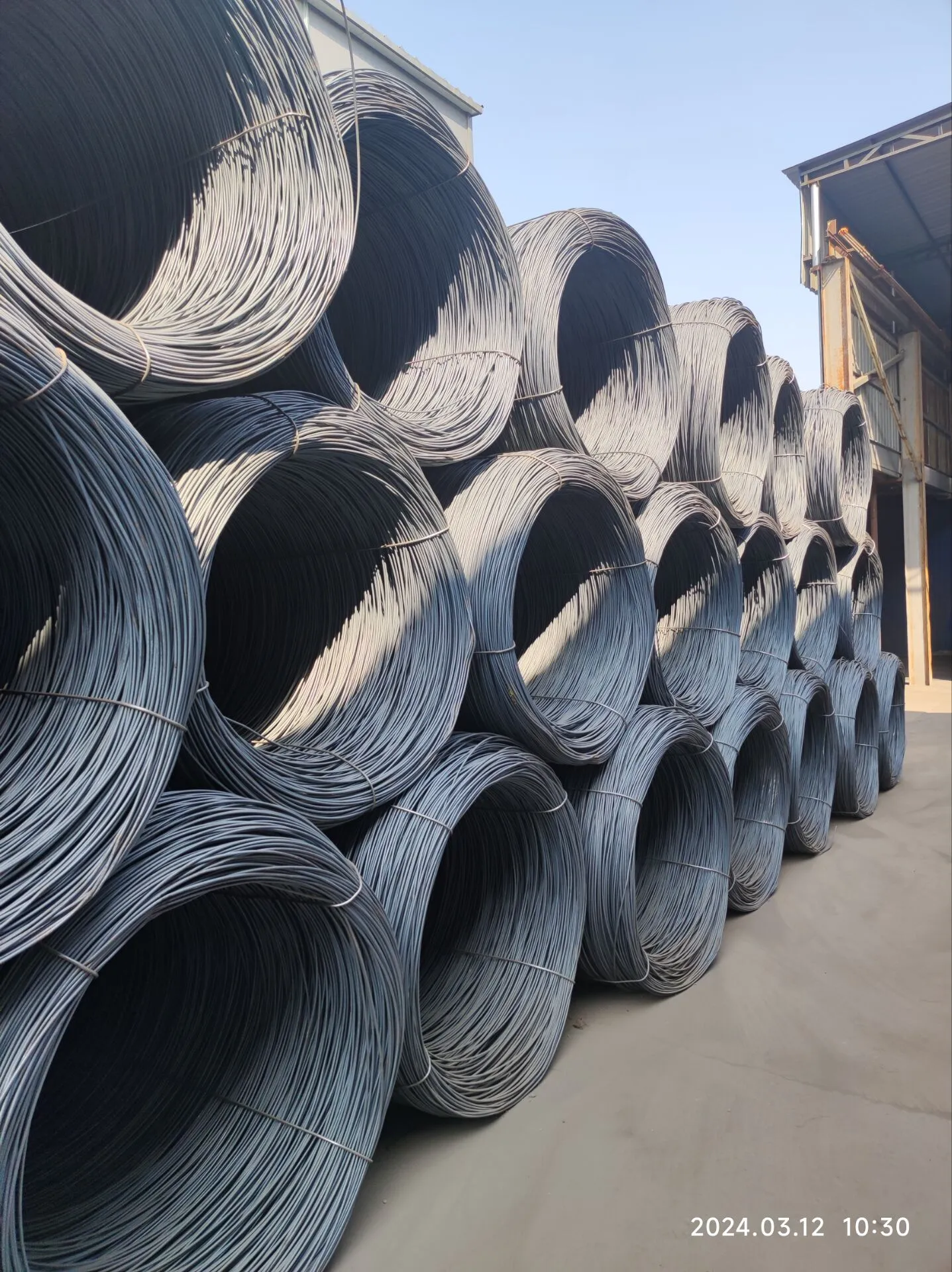
4mm galvanised straining wire is a critical component in a diverse range of applications, primarily within agricultural fencing, vineyard trellising, and general wire rope assembly. Positioned within the materials supply chain, it represents a semi-finished product derived from high-carbon steel wire stock, undergoing a galvanization process for corrosion resistance. Its core performance characteristics are defined by tensile strength, elasticity, corrosion protection, and resistance to deformation under sustained load. This guide provides an in-depth technical overview of 4mm galvanised straining wire, covering material science, manufacturing processes, performance parameters, failure modes, and relevant industry standards. The increasing demand for durable and cost-effective fencing solutions drives the need for a comprehensive understanding of this material’s properties and limitations. A key industry pain point lies in inconsistent galvanization quality, leading to premature corrosion and failures, particularly in harsh environmental conditions. Ensuring optimal zinc coating thickness and adherence is paramount.
Material Science & Manufacturing
The base material for 4mm galvanised straining wire is typically high-carbon steel, specifically grades such as SAE 1018 or similar, chosen for their high tensile strength and ductility. The chemical composition primarily consists of iron (Fe) with carbon content ranging from 0.15% to 0.25% by weight, along with trace elements such as manganese (Mn), silicon (Si), and phosphorus (P). These alloying elements influence the steel’s hardenability and weldability. Manufacturing begins with wire drawing, a process where a larger diameter steel rod is pulled through a series of progressively smaller dies to achieve the 4mm diameter. This process work-hardens the steel, increasing its tensile strength. Following wire drawing, the wire undergoes a cleaning and pickling process to remove any surface contaminants and scale. The galvanization process is then applied, most commonly through hot-dip galvanizing. This involves immersing the steel wire in a bath of molten zinc (Zn) at approximately 450°C. The zinc metallurgically bonds with the steel surface, forming a protective layer. The thickness of this zinc coating is a critical parameter, typically ranging from 60 to 80 μm, and is controlled by factors like immersion time, zinc bath composition, and wire speed. Post-galvanization, the wire is often subjected to passivation treatments to further enhance corrosion resistance. Quality control during manufacturing involves regular tensile testing, zinc coating thickness measurements using eddy current testing, and adherence testing to verify the coating's bond strength. Parameter control is vital: incorrect die lubrication during wire drawing can lead to surface defects; inconsistent zinc bath temperature impacts coating uniformity; and inadequate pickling results in poor zinc adhesion.
Performance & Engineering
The performance of 4mm galvanised straining wire is primarily defined by its mechanical properties and corrosion resistance. Tensile strength, typically ranging from 600-800 MPa, dictates the wire’s load-bearing capacity. Elongation at break, usually around 15-20%, indicates its ductility and ability to withstand deformation before fracture. Modulus of elasticity, approximately 200 GPa, governs its stiffness. Force analysis in applications like fencing necessitates calculating the tensile stress induced by wind loads, animal pressure, and the weight of the supported material. Environmental resistance is crucial, particularly in agricultural settings exposed to varying weather conditions and soil compositions. The galvanization process provides a barrier against corrosion, but the zinc coating can be compromised by scratches, abrasion, or exposure to corrosive chemicals. The rate of corrosion depends on factors such as humidity, salinity, and the presence of pollutants. Compliance requirements often dictate specific performance standards, such as minimum tensile strength and zinc coating thickness as outlined in relevant industry standards (see footer). The engineering design considerations for systems utilizing this wire involve appropriate wire spacing, post spacing, and the use of compatible fittings to avoid galvanic corrosion. For example, using aluminum fittings with galvanised steel can accelerate corrosion due to the potential difference between the metals. The wire's resistance to creep, the tendency to deform permanently under sustained load, is also an important factor in long-term performance.
Technical Specifications
| Parameter | Unit | Typical Value | Testing Standard |
|---|---|---|---|
| Diameter | mm | 4.0 ± 0.05 | ISO 286 |
| Tensile Strength | MPa | 650-750 | ASTM A690 |
| Elongation at Break | % | 16-22 | ISO 6892-1 |
| Zinc Coating Thickness | μm | 60-80 | ASTM B693 |
| Zinc Coating Adherence | Rating (0-5) | 4-5 | ASTM B854 |
| Modulus of Elasticity | GPa | 200 | ISO 6892-2 |
Failure Mode & Maintenance
4mm galvanised straining wire is susceptible to several failure modes. The most common is corrosion-induced failure, manifesting as localized pitting or uniform thinning of the zinc coating, eventually leading to steel substrate corrosion. This is often accelerated by abrasion, particularly in environments with high dust or soil content. Fatigue cracking can occur under cyclic loading, such as wind-induced vibrations, initiating at surface defects or stress concentrations. Hydrogen embrittlement, a less common but critical failure mode, can occur if the galvanization process introduces excessive hydrogen into the steel, reducing its ductility and promoting brittle fracture. Delamination of the zinc coating, caused by poor surface preparation or inadequate coating adhesion, exposes the steel to corrosion. Creep deformation, resulting from prolonged exposure to sustained loads, can lead to sagging or permanent elongation. Maintenance strategies focus on preventative measures. Regular inspection for corrosion, particularly at points of contact and areas exposed to abrasion, is essential. Applying a protective coating, such as a zinc-rich paint, to damaged areas can slow down corrosion. Ensuring proper tensioning of the wire minimizes cyclic loading and reduces fatigue risk. Avoiding contact with dissimilar metals reduces the risk of galvanic corrosion. Periodic retensioning may be necessary to counteract creep. In severe cases of corrosion or fatigue cracking, replacement of the wire is the only effective solution. Implementing a robust corrosion monitoring program and following proper installation practices are crucial for maximizing the service life of the wire.
Industry FAQ
Q: What is the significance of the zinc coating thickness, and how does it affect the lifespan of the wire?
A: The zinc coating thickness is a primary determinant of the wire’s corrosion resistance and, consequently, its lifespan. A thicker coating provides a greater barrier against corrosive elements and sacrificial protection to the steel substrate. Generally, a coating thickness of 60-80 μm provides adequate protection for most agricultural environments. Lower coating thicknesses result in faster corrosion rates and shorter service lives. Exceedingly thick coatings can be brittle and prone to cracking.
Q: How does the steel grade influence the wire’s performance?
A: The steel grade significantly affects the wire’s tensile strength, ductility, and weldability. High-carbon steel grades, such as SAE 1018, are preferred due to their high tensile strength, enabling them to withstand significant loads. Ductility is important to prevent brittle fracture. Low-carbon steel, while cheaper, generally lacks the necessary strength for straining wire applications.
Q: What are the common causes of premature failure in galvanised straining wire?
A: Premature failure is often caused by a combination of factors. Poor galvanization quality (thin or uneven coating), abrasion damaging the zinc layer, corrosion due to exposure to harsh environments, fatigue cracking from cyclic loading, and improper installation techniques (e.g., excessive bending) are the most frequent culprits. Galvanic corrosion from contact with dissimilar metals can also accelerate failure.
Q: Can the wire be welded, and if so, what considerations are necessary?
A: While galvanised steel can be welded, it requires careful consideration. The zinc coating releases hazardous fumes during welding, necessitating adequate ventilation and personal protective equipment. The galvanization process can also affect weldability, potentially creating porosity and reducing weld strength. Pre-welding surface preparation and the use of appropriate welding techniques (e.g., MIG welding) are essential for achieving sound welds.
Q: What are the advantages of hot-dip galvanizing over other coating methods?
A: Hot-dip galvanizing provides superior corrosion protection compared to other coating methods, such as electroplating, due to the thicker zinc coating and its metallurgical bond with the steel. It is also more cost-effective for large-scale applications and requires minimal maintenance. Other methods, while offering aesthetic advantages, typically provide thinner coatings and lower levels of protection.
Conclusion
4mm galvanised straining wire serves as a fundamental component in numerous infrastructure and agricultural applications, demanding a thorough understanding of its material properties, manufacturing processes, and potential failure modes. Optimising performance necessitates careful consideration of steel grade, galvanization quality, and environmental factors. Maintaining consistent zinc coating thickness and adhesion are crucial to combating corrosion and ensuring long-term durability.
Future developments will likely focus on advancements in galvanization techniques, such as utilising zinc-nickel alloy coatings for enhanced corrosion resistance, and exploring alternative corrosion protection methods. Continued research into fatigue behaviour and creep resistance is also vital for improving the wire’s reliability in demanding applications. By adhering to industry standards and implementing proactive maintenance strategies, users can maximise the service life and minimize the lifecycle cost of this essential material.