



Introduction
The 5-inch common nail is a fundamental fastener in construction and woodworking, characterized by its cylindrical shank and flat, broad head. Positioned as a primary fastening solution within the broader building materials supply chain, it finds application in framing, sheathing, roofing, and general carpentry. Its primary performance characteristics revolve around shear strength, withdrawal resistance, and ease of installation. Unlike specialized nails (spiral shank, ring shank, etc.), the common nail relies on friction and displacement for holding power, making understanding its limitations and proper application crucial for structural integrity. The core function is to mechanically join wood components, transferring loads through frictional forces along the nail’s length and at the nail head.
Material Science & Manufacturing
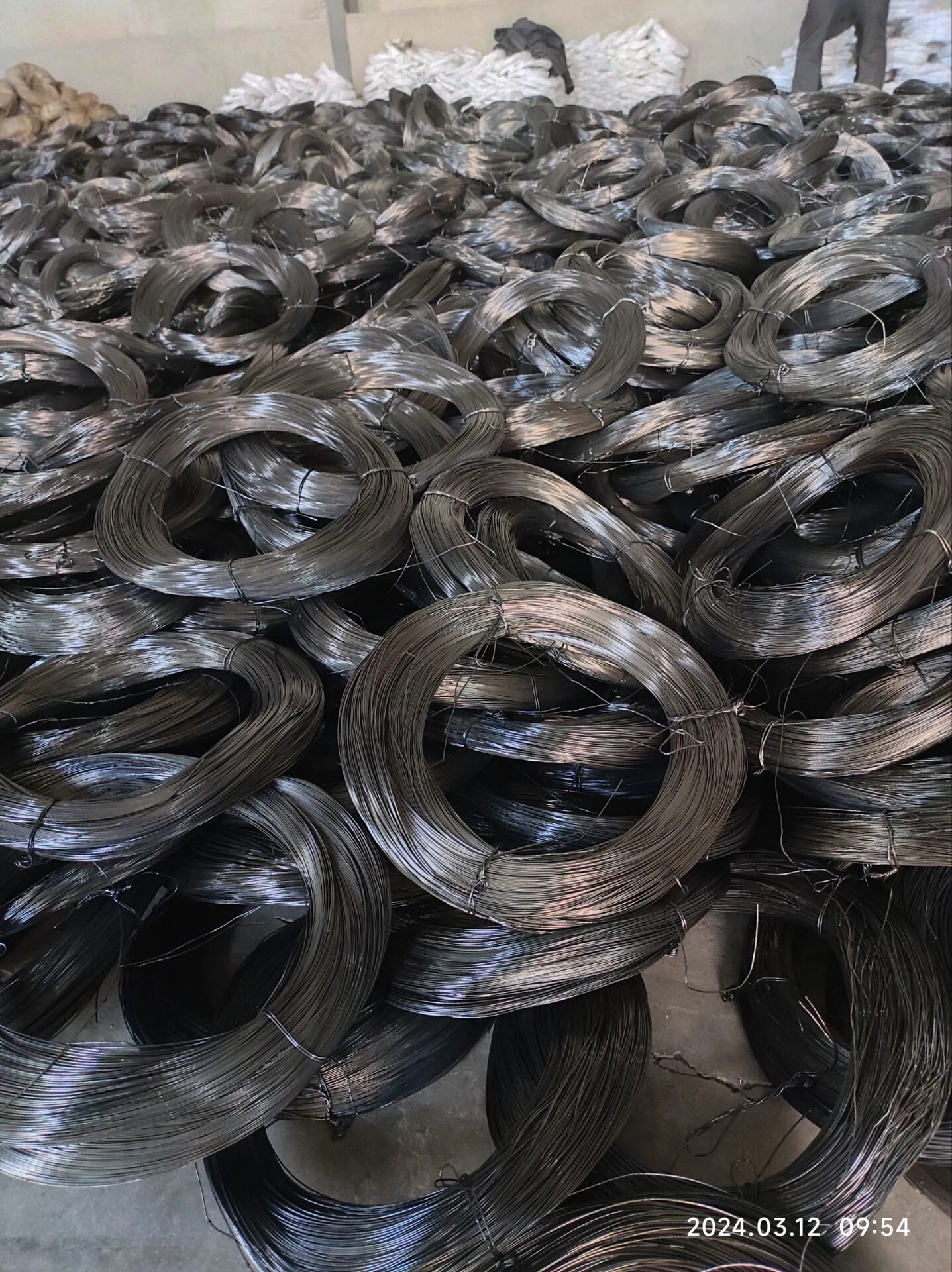
5-inch common nails are predominantly manufactured from carbon steel, typically SAE 1008 or similar low-carbon steels. These steels exhibit sufficient ductility for cold forming but maintain adequate strength for fastening applications. Raw material properties include a tensile strength of approximately 500-600 MPa and a yield strength of around 250-300 MPa. The manufacturing process begins with wire drawing, reducing the steel diameter to the desired nail shank gauge. Following wire drawing, the wire undergoes heading – a cold-forming process where the wire end is compressed to create the nail head. Precise die design is critical for consistent head geometry. The nail shank is then cut to 5 inches in length. Surface treatments, such as galvanization (zinc coating) or electroplating, are applied to enhance corrosion resistance. Galvanization involves immersing the nails in molten zinc, creating a protective layer. Quality control during manufacturing focuses on dimensional accuracy (shank diameter, head size, nail length), surface finish, and coating thickness. Variations in steel composition can affect ductility; higher carbon content increases strength but reduces formability, potentially leading to head splitting during forming. The speed and pressure applied during heading must be carefully controlled to avoid material fatigue and ensure consistent head formation.
Performance & Engineering
The performance of a 5-inch common nail is primarily dictated by its shear strength and withdrawal resistance. Shear strength, the nail’s ability to resist forces acting parallel to its shank, is crucial in structural applications. Withdrawal resistance, the force required to pull the nail out of the wood, depends on friction between the nail shank and the wood fibers. The nail’s holding power is also influenced by the wood species. Softer woods offer less resistance than hardwoods. Engineering considerations include calculating the required nail density (nails per square inch) to withstand specified shear and tensile loads. Load distribution is not uniform; nails near the edge of a board experience lower withdrawal resistance. The angle of nail insertion also impacts performance. Driving nails at a slight angle increases withdrawal resistance but can also introduce bending stresses. Compliance requirements depend on the application. For structural applications, adherence to building codes (e.g., International Building Code - IBC) is mandatory, specifying nail size, spacing, and patterns. Fatigue failure is a critical concern in applications subject to cyclical loading. Repeated stress can lead to micro-cracking and eventual nail breakage. Proper nail selection and installation are vital to prevent premature failure. Consideration must be given to wood moisture content; shrinking or swelling wood can loosen nails over time.
Technical Specifications
| Parameter | Specification | Test Method | Typical Application |
|---|---|---|---|
| Nominal Length | 5 inches (127 mm) | Ruler/Calipers | General construction, framing |
| Shank Diameter | 0.120 inches (3.05 mm) | Calipers | Medium-duty carpentry |
| Head Diameter | 0.375 inches (9.53 mm) | Calipers | Provides a large bearing surface |
| Head Thickness | 0.060 inches (1.52 mm) | Calipers | Resists pull-through |
| Material | SAE 1008 Carbon Steel | Chemical Analysis | Offers a balance of strength and ductility |
| Coating | Bright Galvanized (Zinc Coating) | ASTM B695 | Corrosion resistance in exterior applications |
Failure Mode & Maintenance
Common nail failure modes include bending, shear failure, withdrawal, and corrosion. Bending occurs when the nail is subjected to excessive lateral force, exceeding its yield strength. Shear failure happens when the force parallel to the nail shank exceeds its shear strength, leading to nail breakage. Withdrawal occurs when the frictional forces are overcome, and the nail pulls out of the wood. Corrosion, particularly in untreated nails, leads to material degradation and reduced strength. Fatigue cracking can occur in applications with cyclic loading, initiating at stress concentrations around the nail head or shank surface. Maintenance is limited, as nails are typically inaccessible after installation. Prevention of failure centers around proper nail selection, correct installation techniques (avoiding bending during driving), and utilizing corrosion-resistant coatings in exposed environments. Inspecting for signs of corrosion or loosening is recommended, particularly in critical structural applications. If significant corrosion is detected, replacement of the nails is advised. Prevention of galvanic corrosion (when dissimilar metals are in contact) is also vital; using compatible fasteners and avoiding direct contact with corrosive materials helps extend the nail's service life. Regular inspection of structures for nail pop (nails working their way loose) is a preventative maintenance measure.
Industry FAQ
Q: What is the difference between a common nail and a box nail, and when would I use each?
A: Common nails have a thick shank and are designed for general construction where high shear strength isn’t paramount. Box nails have a thinner shank, making them easier to drive and less likely to split the wood, making them suitable for softer woods like pine and for assembling boxes or trim where minimizing splitting is critical.
Q: How does wood moisture content affect the holding power of a 5-inch common nail?
A: Higher wood moisture content generally increases initial holding power due to the wood fibers swelling around the nail shank, creating a tighter fit. However, as the wood dries and shrinks, the holding power decreases, potentially leading to loosening and failure. Kiln-dried lumber provides more consistent performance than green lumber.
Q: What level of galvanization is sufficient for exterior applications in a coastal environment?
A: For coastal environments with high salt exposure, a hot-dip galvanized coating (ASTM B695 Class 55 or higher) is recommended. This provides a thicker zinc layer for superior corrosion protection compared to electro-galvanized coatings. Stainless steel nails are also an option for highly corrosive environments, though they are considerably more expensive.
Q: How do I calculate the correct nail spacing for a shear wall application according to building codes?
A: Nail spacing calculations depend on the shear wall design, the wood species, and the applicable building code (e.g., IBC). Typically, codes specify maximum nail spacing at the edges of plywood or OSB sheathing and along intermediate supports. Consulting structural engineering tables and local building code requirements is essential.
Q: What causes nail pop, and how can it be prevented?
A: Nail pop is the phenomenon of nails working their way loose over time. It's often caused by wood shrinkage, expansion, and contraction due to moisture changes, or by overloading the connection. Prevention includes using appropriately sized nails, ensuring proper nail penetration, avoiding overdriving nails, and allowing for wood movement in the design.
Conclusion
The 5-inch common nail remains a foundational element in construction despite advancements in fastening technology. Its simplicity, cost-effectiveness, and adequate strength for many applications ensure its continued relevance. A thorough understanding of the nail’s material properties, manufacturing processes, and performance limitations is essential for engineers, builders, and procurement professionals.
Proper application, considering wood species, moisture content, and environmental conditions, is paramount to maximizing its long-term reliability. While specialized fasteners may be required for demanding applications, the 5-inch common nail continues to provide a robust and economical fastening solution for a wide range of construction projects.