



Introduction
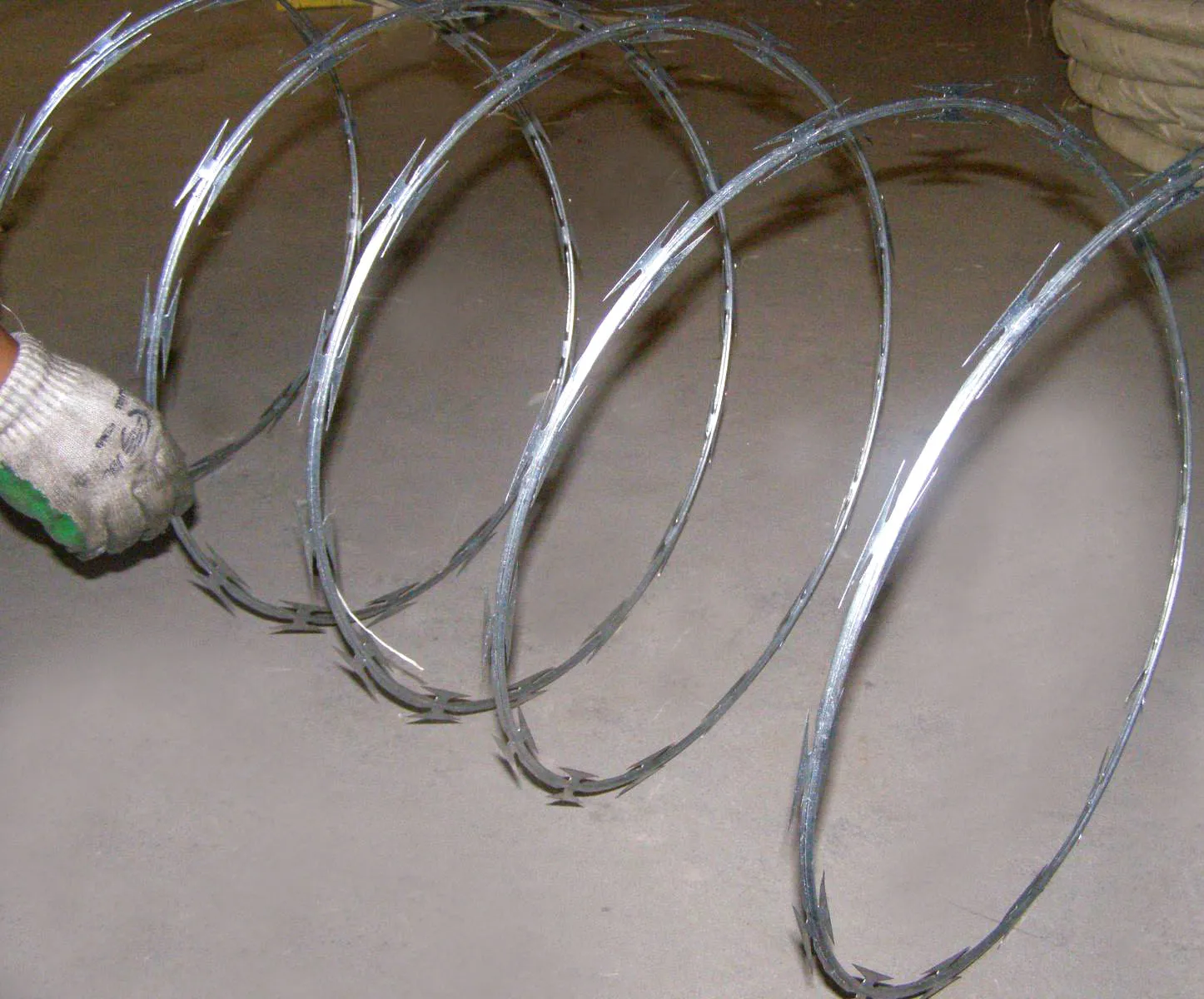
5mm galvanised wire is a carbon steel wire coated with a layer of zinc through a process known as galvanisation. This coating provides protection against corrosion, making it a crucial material in a wide range of industrial and commercial applications. Its primary position within the supply chain lies as a foundational material for fencing, cable armouring, construction reinforcement, agricultural applications, and various manufacturing processes requiring a robust and corrosion-resistant tensile element. The core performance characteristics – tensile strength, ductility, and corrosion resistance – are directly influenced by the steel grade used, the galvanisation process, and subsequent handling. Understanding these characteristics is vital for ensuring long-term performance and structural integrity in end-use applications. The industry faces challenges in maintaining consistent zinc coating thickness, ensuring adequate adhesion of the zinc layer to the steel substrate, and mitigating hydrogen embrittlement during the galvanisation process.
Material Science & Manufacturing
The primary raw material for 5mm galvanised wire is typically high-carbon steel, commonly using grades like SAE 1018 or similar. The steel composition dictates initial mechanical properties such as tensile strength and yield strength. The steel undergoes wire drawing, a process of pulling the metal through a series of progressively smaller dies to achieve the desired 5mm diameter. Critical parameters during wire drawing include die angle, reduction ratio, and lubrication to prevent excessive heat buildup and maintain dimensional accuracy. Following wire drawing, the steel is cleaned to remove oils, scale, and other contaminants, preparing it for galvanisation. The most common galvanisation method is hot-dip galvanising, where the wire is immersed in a bath of molten zinc. The reaction between the iron in the steel and the zinc creates a series of zinc-iron alloy layers, providing excellent corrosion protection. Bath temperature (typically 450-460°C), immersion time, and the composition of the zinc bath (including aluminium and silicon content) are crucial parameters for controlling coating thickness and uniformity. Alternatively, electrogalvanising can be employed, offering greater control over coating thickness but generally providing less corrosion resistance than hot-dip galvanising. Post-galvanisation, the wire is often cooled, dried, and may undergo passivation treatments to further enhance corrosion resistance and surface finish. Hydrogen embrittlement, a potential consequence of the galvanisation process, is mitigated through post-treatment baking.
Performance & Engineering
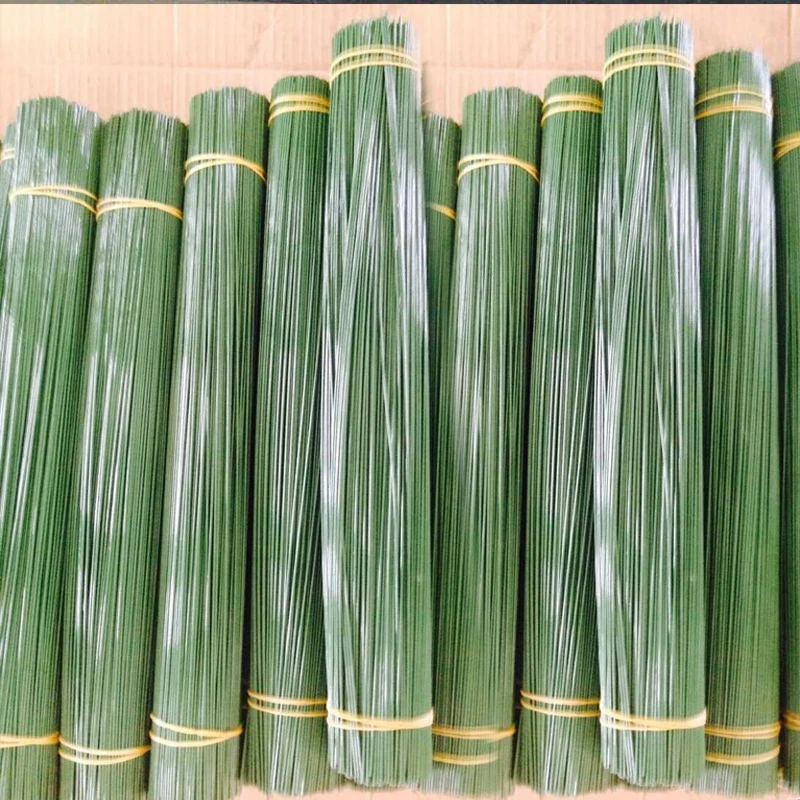
The performance of 5mm galvanised wire is fundamentally governed by its mechanical and corrosion resistance properties. Tensile strength is a critical parameter, typically ranging from 400-600 MPa depending on the steel grade and cold working during wire drawing. Ductility, measured by elongation at break, is equally important, enabling the wire to deform without fracturing under stress. Environmental resistance is primarily determined by the zinc coating thickness and its adherence to the steel substrate. Zinc provides sacrificial protection, corroding preferentially to the steel. Factors influencing corrosion rate include humidity, salt spray exposure, and the presence of pollutants. Engineering considerations involve accurately calculating the load-bearing capacity of the wire based on its tensile strength and safety factors. For fencing applications, wind load and potential impact forces must be accounted for. In cable armouring, the wire’s ability to withstand bending and abrasion is paramount. Compliance requirements vary by region and application. For example, construction applications often require compliance with local building codes regarding material strength and corrosion resistance. Agricultural applications may have specific requirements related to zinc coating durability and resistance to agricultural chemicals. Fatigue analysis is critical in applications involving cyclical loading, assessing the wire's resistance to crack initiation and propagation under repeated stress.
Technical Specifications
| Parameter | Units | Typical Value (SAE 1018 Steel) | Testing Standard |
|---|---|---|---|
| Diameter | mm | 5.0 ± 0.1 | ISO 286 |
| Tensile Strength | MPa | 450-600 | ASTM A854 |
| Yield Strength | MPa | 350-500 | ASTM A854 |
| Elongation at Break | % | 10-20 | ASTM A854 |
| Zinc Coating Thickness | µm | 50-80 | ASTM B693 |
| Zinc Coating Adhesion | N/mm² | >50 | ASTM A780 |
Failure Mode & Maintenance
5mm galvanised wire can experience several failure modes. Corrosion is the most common, manifesting as rust formation and gradual material loss, especially in harsh environments. Coating defects – such as porosity, thin spots, or incomplete coverage – accelerate corrosion. Hydrogen embrittlement, a result of hydrogen absorption during galvanisation, can lead to brittle fracture under tensile stress. Mechanical damage, including bending, abrasion, and impact, can compromise the wire’s integrity. Fatigue cracking occurs under cyclical loading, initiating at stress concentrations and propagating over time. Maintenance involves regular inspection for signs of corrosion or damage. Removing corrosion products and applying a protective coating (e.g., zinc-rich paint) can extend service life. For applications involving significant bending, periodic lubrication can reduce friction and wear. Avoiding excessive bending radii and sharp corners helps prevent fatigue cracking. In areas prone to severe corrosion, sacrificial anodes can be used to provide additional cathodic protection. Proper storage is crucial; wire should be stored in a dry, well-ventilated area to prevent premature corrosion.
Industry FAQ
Q: What is the typical lifespan of 5mm galvanised wire in a coastal environment?
A: The lifespan is heavily dependent on zinc coating thickness and the severity of the salt spray exposure. With a standard 50-80µm coating, a lifespan of 5-10 years can be expected, but this can be significantly reduced in highly corrosive environments. Consider thicker coatings or supplemental corrosion protection for prolonged service.
Q: How does the galvanisation process affect the tensile strength of the wire?
A: While galvanisation itself doesn't significantly decrease tensile strength, the process can induce hydrogen embrittlement, which makes the steel more susceptible to brittle fracture, effectively reducing its load-bearing capacity. Post-galvanisation baking is employed to mitigate this effect.
Q: What is the difference between hot-dip galvanising and electrogalvanising?
A: Hot-dip galvanising provides a thicker, more durable coating with superior corrosion resistance due to the zinc-iron alloy layers formed. Electrogalvanising offers more precise coating thickness control and a smoother finish, but generally provides less corrosion protection.
Q: How can I identify hydrogen embrittlement in galvanised wire?
A: Hydrogen embrittlement is often difficult to detect visually. Symptoms include unexpected brittle fracture during bending or tensile testing. Hydrogen testing can be performed to quantify hydrogen content, but this is typically a specialized laboratory procedure.
Q: What standards govern the quality control of 5mm galvanised wire?
A: Several standards are relevant, including ASTM A854 (Standard Specification for Zinc-Coated Steel Wire), ASTM B693 (Standard Specification for Zinc Coating Applied by Hot-Dip Process), and ISO 286 (Basic geometric product specifications – Tolerances for linear and angular dimensions without individual tolerance indications). ASTM A780 provides a standard practice for repair of damaged galvanized coatings.
Conclusion
5mm galvanised wire represents a critical component in numerous industries due to its robust mechanical properties and excellent corrosion resistance. The manufacturing process, primarily reliant on steel quality and the nuances of galvanisation, dictates the final performance characteristics. Understanding the potential failure modes, such as corrosion and hydrogen embrittlement, is crucial for implementing effective maintenance strategies and ensuring long-term structural integrity.
Future developments in galvanising technology, including advanced zinc alloy coatings and improved passivation treatments, are expected to further enhance the corrosion resistance and lifespan of this essential material. Increased focus on sustainable manufacturing practices will also drive innovation in reducing zinc consumption and minimizing environmental impact. Proper specification, quality control, and diligent maintenance remain paramount for maximizing the value and reliability of 5mm galvanised wire in demanding applications.