



Introduction
The 6d common nail represents a foundational fastening element in construction, woodworking, and general repair applications. Defined by its length – approximately 2.5 inches – and gauge (diameter), it serves as a versatile and economical solution for joining wood materials. Its industry position resides in the realm of commodity fasteners, competing with screws, bolts, and adhesives, yet maintaining dominance in applications prioritizing speed and cost-effectiveness. Core performance characteristics are centered around shear strength, withdrawal resistance, and bend resistance, all intrinsically linked to the nail’s material composition and manufacturing process. Understanding these properties is crucial for appropriate application and ensuring structural integrity. The 6d common nail is characterized by a broad head and a smooth shank, facilitating efficient hammering and providing a large surface area for load distribution. Its prevalence stems from a long history of established manufacturing techniques and readily available materials, making it a staple in the building trades.
Material Science & Manufacturing
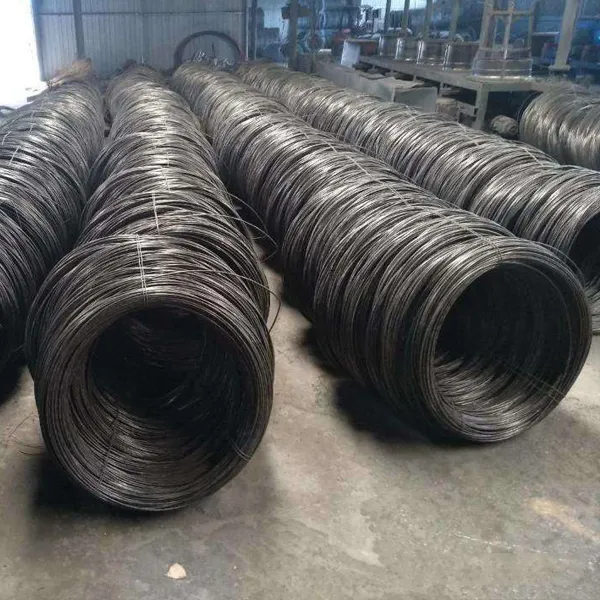
The 6d common nail is predominantly manufactured from low-carbon steel, specifically SAE 1008 or similar grades. This material is chosen for its balance of ductility, tensile strength, and cost. The steel typically contains 0.08% carbon, with trace amounts of manganese, phosphorus, and sulfur. The raw material is initially supplied in wire form, which undergoes a cold heading process. This involves feeding the wire into a heading machine, where it is cut to the correct length and then formed into the nail shape using a series of dies. This cold working process increases the steel’s hardness and tensile strength through strain hardening. Following heading, the nails are subjected to a cleaning process to remove any residual oil or scale from the manufacturing process. Heat treatment, though not always performed, can be implemented to further enhance properties. A common heat treatment involves annealing to improve ductility, or quenching and tempering to increase hardness and toughness. The final stage involves polishing to remove surface imperfections and enhance corrosion resistance, typically achieved through phosphate coating. The quality of the steel, the precision of the heading dies, and the consistency of the heat treatment significantly influence the nail’s performance characteristics, including its resistance to bending and shear forces. Variations in steel composition can affect weldability, should the nail require post-installation modification.
Performance & Engineering
The performance of a 6d common nail is largely dictated by its ability to withstand shear and withdrawal forces. Shear strength, the resistance to forces acting parallel to the nail shank, is critical in applications where lateral loads are present. Withdrawal resistance, the force required to pull the nail out of the wood, is governed by the nail’s shank diameter, length, and the density of the wood. Engineering calculations for nail connections often employ empirical formulas derived from extensive testing, considering factors like wood species, nail angle, and edge distance. The nail’s geometry—specifically the head diameter and shank diameter—plays a vital role in load distribution. A larger head increases the surface area for bearing against the wood, while a smaller shank diameter facilitates easier penetration. The nail’s material properties determine its ductility, influencing its ability to deform under stress without fracturing. Environmental resistance is a key consideration, particularly in outdoor applications. Corrosion is a major concern, leading to weakening of the nail and potential structural failure. Protective coatings, such as zinc plating or phosphate coating, are applied to mitigate corrosion. Compliance requirements vary depending on the application and geographic location. Building codes often specify minimum nail size, type, and spacing for structural connections. Fatigue performance, the nail’s ability to withstand repeated loading and unloading, is also important in applications subject to vibration or dynamic loads. Understanding these engineering principles is essential for ensuring the long-term reliability and safety of nail-based connections.
Technical Specifications
| Parameter | Typical Value (Imperial) | Typical Value (Metric) | Testing Standard |
|---|---|---|---|
| Nominal Length | 2.5 inches | 63.5 mm | ASTM F1578 |
| Shank Diameter (Gauge) | 8d (0.160 inch) | 4.06 mm | ASTM F1578 |
| Head Diameter | 0.375 inch | 9.53 mm | ASTM F1578 |
| Head Thickness | 0.095 inch | 2.41 mm | ASTM F1578 |
| Tensile Strength | 60,000 PSI | 414 MPa | ASTM F1578 |
| Shear Strength | 40,000 PSI | 276 MPa | ASTM F1578 |
Failure Mode & Maintenance
Failure modes for 6d common nails typically fall into several categories. Bending failure occurs when the nail exceeds its yield strength and permanently deforms. Shear failure results from excessive shear stress, leading to the nail shearing along its shank. Withdrawal failure happens when the nail is pulled out of the wood due to insufficient holding power. Corrosion is a significant long-term failure mechanism, particularly in humid or corrosive environments. Rust formation weakens the nail and reduces its load-bearing capacity. Fatigue cracking can occur in applications subject to repeated loading, initiating at stress concentration points, such as the nail head or shank. Delamination of the wood surrounding the nail can also contribute to failure, reducing the effective contact area. Maintenance primarily focuses on preventative measures. Applying protective coatings, such as galvanization or specialized paints, can significantly slow down corrosion. Regular inspection of nail connections is crucial, particularly in critical structural applications. Signs of corrosion, bending, or withdrawal should be addressed promptly. In some cases, replacing deteriorated nails may be necessary to maintain structural integrity. The selection of appropriate wood species and proper nailing techniques can also minimize the risk of failure. Avoiding overdriving or hammering at extreme angles can prevent bending and splitting of the wood.
Industry FAQ
Q: What is the impact of wood density on the withdrawal resistance of a 6d common nail?
A: Wood density is directly proportional to withdrawal resistance. Denser hardwoods, such as oak and maple, provide significantly greater holding power than softer woods like pine or fir. This is because denser wood offers more material for the nail shank to grip, increasing the frictional forces resisting withdrawal. The greater the density, the more force is required to overcome these frictional forces and extract the nail.
Q: How does the coating type affect the corrosion resistance of 6d common nails?
A: Coating type is a primary factor in corrosion resistance. Bright basic steel nails offer minimal protection and are prone to rusting. Galvanized nails, coated with a layer of zinc, provide substantial corrosion protection through sacrificial anode action, where the zinc corrodes preferentially to the steel. Stainless steel nails offer the highest level of corrosion resistance, although they are considerably more expensive. Phosphate coatings offer a moderate level of protection and act as a base for paint.
Q: What are the key differences between a 6d common nail and a 6d box nail?
A: The primary difference lies in the nail head size and shank length. A 6d common nail has a larger, rounded head and a longer shank, designed for general construction applications. A 6d box nail has a smaller, barrel-shaped head and a shorter shank, specifically intended for use in thinner materials like plywood or paneling, where minimizing splitting is crucial. The reduced head size prevents damage to the surface of the material.
Q: What is the recommended nail spacing for structural connections using 6d common nails?
A: Recommended nail spacing varies based on the specific application and building code requirements. Generally, spacing should be no more than 6 times the nail diameter in any direction. For example, with a 6d nail having a diameter of 0.160 inches, the maximum spacing would be approximately 0.96 inches. However, local building codes should always be consulted for specific requirements.
Q: How does the nailing angle impact the shear strength of a 6d common nail connection?
A: Nailing at an angle (typically 30-45 degrees) significantly increases shear strength compared to nailing perpendicular to the wood surface. The angled nail presents a greater shear area and engages more wood fibers, enhancing its resistance to lateral forces. However, angled nailing can also increase the risk of splitting the wood, especially with thinner materials.
Conclusion
The 6d common nail, despite being a relatively simple fastener, embodies a complex interplay of material science, manufacturing precision, and engineering principles. Its continued prevalence in the construction and woodworking industries is a testament to its cost-effectiveness, ease of use, and adequate performance characteristics for a wide range of applications. Understanding its limitations, particularly regarding corrosion and fatigue, is crucial for ensuring the long-term integrity of any structure relying on this fundamental fastening element.
Looking forward, advancements in coating technologies and material compositions will likely focus on enhancing the corrosion resistance and shear strength of common nails, potentially expanding their applicability in more demanding environments. Furthermore, continued research into optimized nailing patterns and connection designs will contribute to maximizing the load-bearing capacity and overall reliability of nail-based structures. The 6d common nail, while seemingly unchanged for decades, remains a vital component of modern construction, demonstrating the enduring value of a well-engineered, readily available fastener.