



Introduction
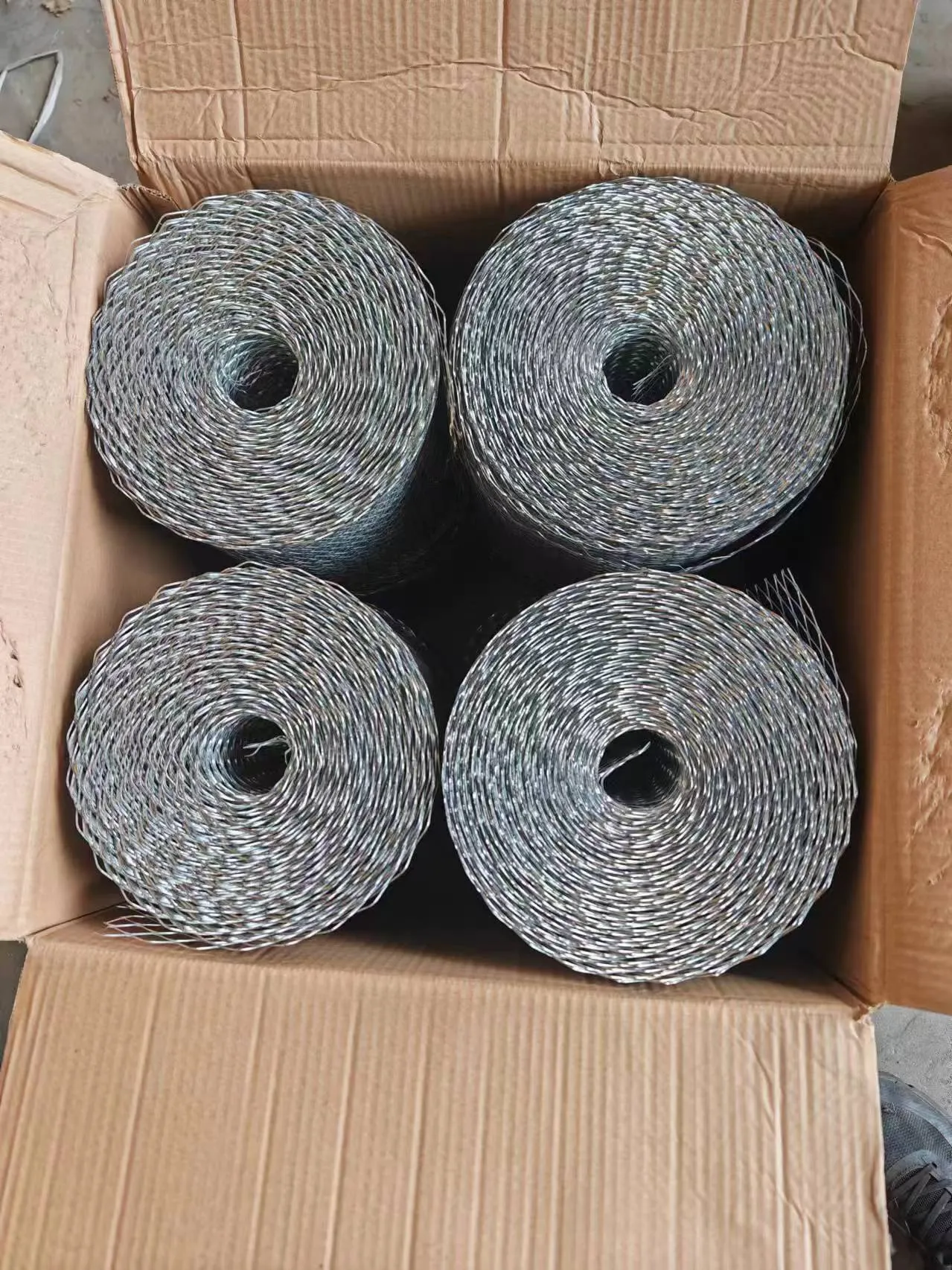
6mm galvanised wire is a carbon steel wire coated with a layer of zinc through a process of hot-dip galvanisation. This coating provides corrosion resistance, making it a vital component in numerous industrial and commercial applications. Positioned within the broader steel wire product family, it bridges the gap between lower-cost, less-protected bare steel wire and more expensive, specialized alloy wires. Its primary function is to provide a durable, tensile element for securing, supporting, and fencing. Core performance characteristics are defined by tensile strength, yield strength, elongation, zinc coating thickness, and adherence to dimensional tolerances. The increasing demand for galvanised wire is driven by infrastructure development, agricultural needs, and the expansion of industries requiring secure fastening and protective barriers. The critical challenge lies in balancing cost-effectiveness with long-term corrosion protection, particularly in aggressive environmental conditions.
Material Science & Manufacturing
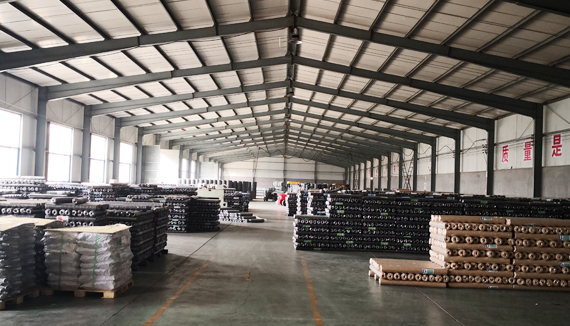
The base material for 6mm galvanised wire is typically carbon steel, commonly SAE 1006 or similar grades, chosen for its balance of strength and ductility. Key physical properties include a density of approximately 7.85 g/cm³, a Young’s modulus of around 200 GPa, and a Poisson’s ratio of 0.3. The chemical composition is predominantly iron (Fe), with carbon content typically ranging from 0.05% to 0.15%, manganese (Mn) between 0.3% and 0.6%, and trace amounts of phosphorus (P) and sulfur (S). Manufacturing begins with wire drawing, reducing the steel rod diameter to 6mm. This process involves pulling the steel through a series of dies, inducing plastic deformation and increasing tensile strength. Critical parameters during wire drawing include die angle, reduction ratio, and drawing speed, all impacting the final mechanical properties. Following wire drawing, the wire undergoes a cleaning process to remove oils and scale. Hot-dip galvanisation is the predominant coating method. The wire is immersed in a molten zinc bath (typically 98% pure zinc) at around 450-460°C. The zinc metallurgically bonds to the steel surface forming a series of zinc-iron alloy layers, followed by a layer of pure zinc. Controlling bath temperature, immersion time, and withdrawal speed is crucial to achieving a uniform and adherent zinc coating. Following galvanisation, the wire is typically cooled, dried, and may undergo further processing like spooling or cutting to length. Post-treatment options include passivation, enhancing corrosion resistance, and coating with a polymer film, providing additional protection.
Performance & Engineering
The mechanical performance of 6mm galvanised wire is governed by its tensile strength, yield strength, and elongation. Typical tensile strength values range from 350-500 MPa, while yield strength is around 250-350 MPa. Elongation, indicating ductility, typically falls between 12-18%. These properties are essential for applications involving load bearing and resistance to deformation. Environmental resistance is primarily dictated by the zinc coating. The zinc acts as a sacrificial anode, corroding preferentially to the steel, thus protecting it from rust. The rate of zinc corrosion depends on factors like humidity, temperature, salt spray exposure, and the presence of pollutants. Galvanised wire's performance in corrosive environments is evaluated using salt spray testing (ASTM B117), which measures the time to corrosion initiation. Engineering considerations include the wire's susceptibility to hydrogen embrittlement, a phenomenon where hydrogen atoms diffuse into the steel lattice during galvanisation, potentially reducing ductility and causing delayed failure. This is mitigated through careful control of the galvanisation process and the use of hydrogen permeation barriers. Compliance requirements are often dictated by industry standards such as EN 10244-2 (Galvanised steel wire) and ASTM A641 (Zinc-coated steel wire), specifying minimum coating thicknesses and mechanical properties. The wire’s capacity to withstand bending, twisting, and impact loads must also be considered in application design, with appropriate safety factors incorporated to prevent premature failure.
Technical Specifications
| Parameter | Typical Value | Testing Standard | Tolerance |
|---|---|---|---|
| Diameter | 6.0 mm | ISO 287 | ±0.05 mm |
| Tensile Strength | 400-500 MPa | EN 10002-1 | ±20 MPa |
| Yield Strength | 280-350 MPa | EN 10002-1 | ±15 MPa |
| Elongation at Break | 12-18% | EN 10002-1 | ±2% |
| Zinc Coating Thickness | 60-80 μm | ISO 9227 | ±10 μm |
| Zinc Coating Weight | 60-80 g/m² | ASTM A641 | ±5 g/m² |
Failure Mode & Maintenance
Common failure modes of 6mm galvanised wire include corrosion-induced failures, mechanical fatigue, and hydrogen embrittlement. Uniform corrosion occurs when the zinc coating is depleted, exposing the underlying steel to the environment. However, localized corrosion, such as pitting corrosion, is more frequent, particularly in chloride-rich environments. Pitting initiates at defects in the zinc coating and can rapidly penetrate the steel. Mechanical fatigue can occur under cyclic loading, leading to crack initiation and propagation, especially at bends or points of stress concentration. Hydrogen embrittlement, as previously mentioned, weakens the steel and promotes brittle failure. Creep, the slow deformation under sustained load, can also occur at elevated temperatures. Failure analysis often involves microscopic examination of fracture surfaces to identify the root cause. Maintenance primarily focuses on preventing or delaying corrosion. Regular inspection for signs of corrosion, such as rust or white corrosion products (zinc oxide), is critical. Applying protective coatings, such as epoxy or polyurethane, over the galvanised layer can significantly extend the wire’s lifespan, particularly in harsh environments. For applications involving bending or flexing, periodic lubrication can reduce friction and wear. Damaged or corroded sections should be replaced promptly. Avoid exposure to strong acids or alkalis, which can accelerate zinc corrosion. In marine environments, regular cleaning with freshwater to remove salt deposits is essential.
Industry FAQ
Q: What is the typical lifespan of 6mm galvanised wire in an outdoor agricultural application?
A: The lifespan is highly variable, dependent on environmental conditions. In a moderate climate with limited salt exposure, 10-15 years is reasonable. However, in coastal areas or regions with heavy industrial pollution, the lifespan can be reduced to 5-8 years. Soil pH also plays a crucial role, with acidic soils accelerating corrosion.
Q: How does the manufacturing process impact the ductility of the wire, and what steps are taken to mitigate loss of ductility?
A: Wire drawing inherently work-hardens the steel, reducing ductility. To restore ductility, annealing is often employed after drawing. Furthermore, controlling the cooling rate during galvanisation and utilizing additives to minimize hydrogen absorption help prevent hydrogen embrittlement, which severely compromises ductility.
Q: What is the difference between hot-dip galvanisation and electrogalvanisation, and which is preferred for 6mm wire?
A: Hot-dip galvanisation provides a thicker, more robust zinc coating with better corrosion resistance due to the metallurgical bond. Electrogalvanisation produces a thinner, more cosmetically appealing coating. For 6mm wire, hot-dip galvanisation is generally preferred due to its superior corrosion protection, essential for most applications.
Q: Can 6mm galvanised wire be welded, and if so, what precautions should be taken?
A: Yes, 6mm galvanised wire can be welded, but requires specific procedures. The zinc coating releases fumes during welding that are hazardous. Adequate ventilation is essential. Additionally, the zinc coating can reduce weld strength and increase porosity. Removing the zinc coating in the weld area before welding is recommended for critical applications.
Q: What is the significance of the ‘spangle’ appearance on galvanised wire, and does it indicate coating quality?
A: The spangle is the crystalline pattern formed on the zinc coating during cooling. While a uniform, well-defined spangle is aesthetically pleasing, it doesn’t necessarily correlate directly with coating quality. However, a lack of spangle or a dull, matte finish can indicate a thin or poorly adhered coating.
Conclusion
6mm galvanised wire remains a cornerstone material in diverse industrial sectors due to its compelling combination of tensile strength, cost-effectiveness, and corrosion resistance. Understanding the intricacies of its material science, manufacturing processes, and potential failure modes is crucial for engineers and procurement professionals alike. The performance of galvanised wire is inextricably linked to the quality of the zinc coating and the adherence to established industry standards.
Moving forward, advancements in coating technologies, such as zinc-nickel alloys and polymer-zinc composite coatings, offer the potential to further enhance corrosion protection and extend the lifespan of galvanised wire. Continued research into mitigating hydrogen embrittlement and optimizing galvanisation processes will be vital in maintaining its relevance and reliability in demanding applications. Rigorous quality control and proactive maintenance remain paramount to ensure long-term performance and minimize life-cycle costs.