



Introduction
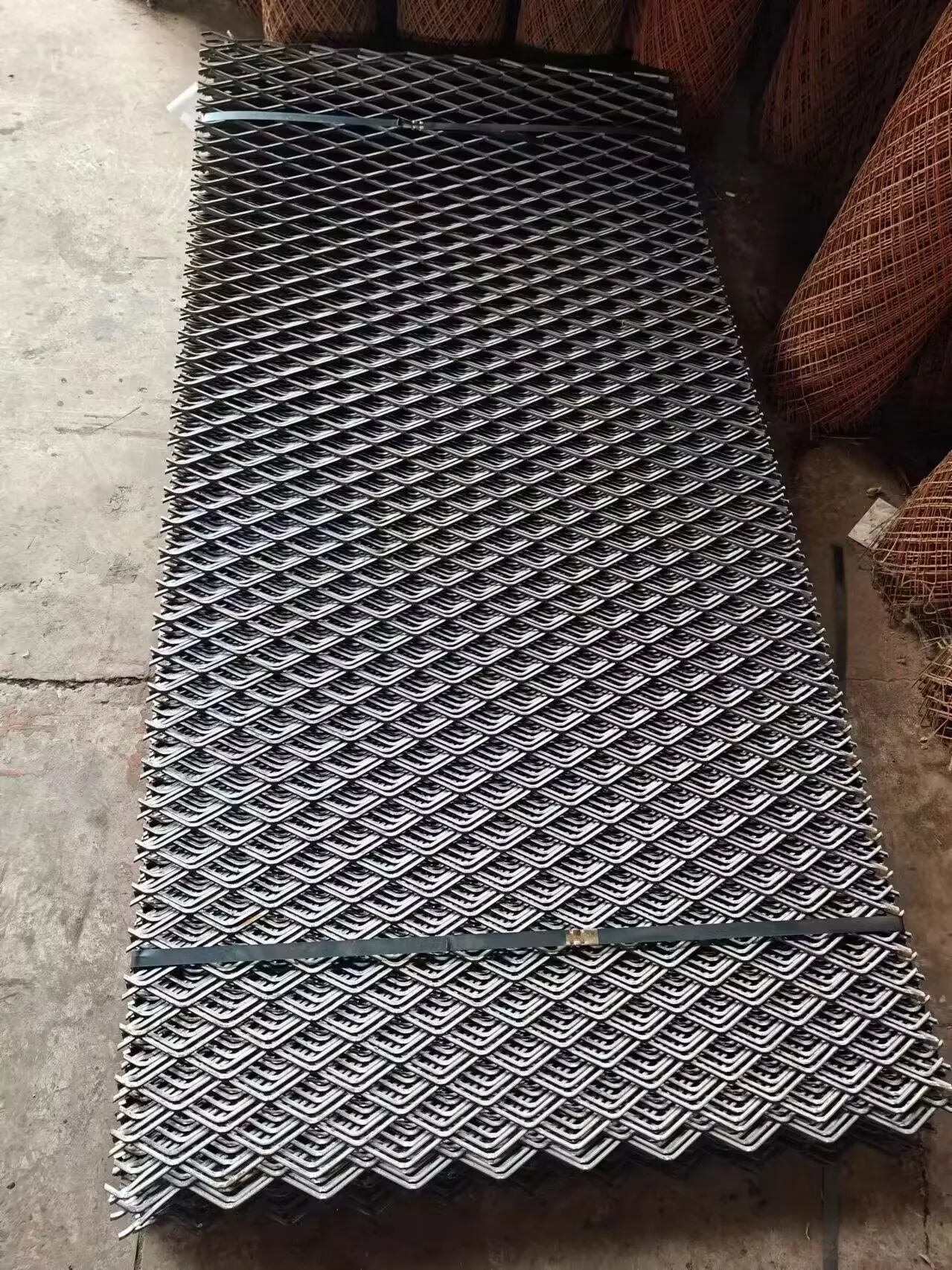
72 x 50 welded wire mesh, denoting a nominal 72mm opening size with 50mm wire spacing, represents a fundamental construction material within diverse industrial applications. Positioned within the broader category of fabricated metal products, it serves as a critical intermediary between raw material production (steel, stainless steel, galvanized steel) and final product assembly. Core performance characteristics center around tensile strength, dimensional stability, and resistance to deformation under load. This guide provides an in-depth examination of the material science, manufacturing processes, performance engineering, failure modes, and relevant industry standards pertaining to 72 x 50 welded wire mesh. A prevalent pain point within the industry is consistent weld integrity and long-term corrosion resistance, especially in outdoor and harsh environments. Ensuring consistent aperture size and minimizing weld spatter are also frequent challenges encountered by fabricators and end-users.
Material Science & Manufacturing
The primary raw material for 72 x 50 welded wire is typically low-carbon steel wire (e.g., SAE 1008, 1010), although stainless steel (304, 316 grades) and galvanized steel (zinc coating) are commonly used to enhance corrosion resistance. Steel wire's mechanical properties are dictated by its chemical composition and cold-working processes. Tensile strength ranges from 400-600 MPa for low-carbon steel, increasing with higher carbon content and work hardening. Galvanized steel utilizes a metallurgical bond between the zinc coating and the steel substrate, providing sacrificial protection against corrosion.
Manufacturing commences with wire drawing – a process reducing the wire diameter through a series of dies. Precise diameter control is crucial for consistent mesh aperture size. The drawn wire is then straightened and fed into a welding machine. Resistance welding, specifically spot welding, is the predominant joining method. Electrical current is passed through the intersection of the wires, generating localized heat and fusing the metal. Key parameters include welding current, welding time, and electrode force. Poor parameter control leads to weak welds, spatter, and potential burn-through. Following welding, quality control checks verify weld integrity (visual inspection, shear testing) and dimensional accuracy (aperture size, wire spacing). Modern automated welding machines provide tighter control and higher production rates than manual processes. Post-welding processes can include cutting to specific lengths, bending, or applying additional coatings (PVC, epoxy).
Performance & Engineering
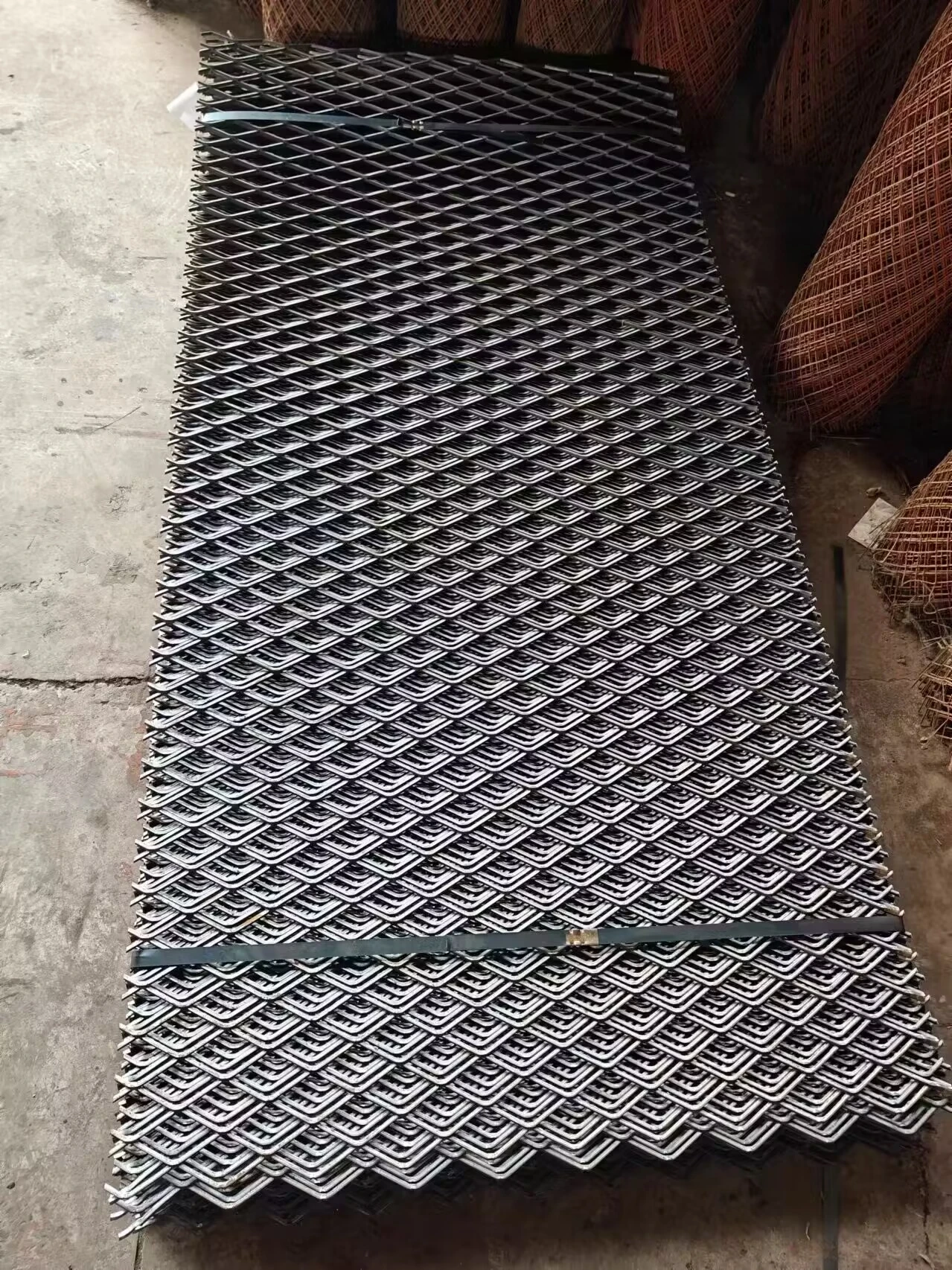
The load-bearing capacity of 72 x 50 welded wire mesh is determined by a complex interplay of factors including wire diameter, aperture size, wire spacing, weld strength, and the applied load type (tensile, shear, bending). Force analysis typically employs finite element analysis (FEA) to predict stress distribution and identify potential failure points. The mesh's stiffness directly impacts its ability to resist deformation. A smaller aperture size and thicker wire generally result in higher stiffness. Environmental resistance is a critical consideration. Exposure to corrosive environments (saline mist, industrial pollutants) can accelerate corrosion, reducing the mesh's strength and lifespan. Galvanized coatings and stainless steel alloys provide enhanced corrosion protection.
Compliance requirements vary depending on the application. For example, construction applications may necessitate adherence to building codes specifying minimum wire strength and weld integrity. Agricultural applications might require specific coating types to prevent contamination of crops. Safety factors are commonly incorporated into engineering designs to account for uncertainties in material properties and loading conditions. A typical safety factor is 2.0-3.0. The wire’s ductility is an important characteristic, allowing it to deform under stress without brittle failure. Wire bending tests and elongation tests determine ductility. Long-term creep behavior, especially at elevated temperatures, should also be considered in certain applications. Proper bracing and support structures are essential to prevent excessive deflection and ensure structural integrity.
Technical Specifications
| Parameter | Unit | Typical Value (Low Carbon Steel) | Typical Value (Stainless Steel 304) |
|---|---|---|---|
| Wire Diameter | mm | 2.0 – 4.0 | 2.0 – 4.0 |
| Aperture Size | mm | 72 ± 2 | 72 ± 2 |
| Wire Spacing | mm | 50 ± 1 | 50 ± 1 |
| Tensile Strength | MPa | 400 – 600 | 500 – 700 |
| Elongation at Break | % | 15 – 25 | 30 – 50 |
| Zinc Coating Thickness (Galvanized) | µm | 45 – 80 | N/A |
Failure Mode & Maintenance
Common failure modes in 72 x 50 welded wire mesh include weld fracture, wire corrosion, and mechanical deformation (bending, stretching). Weld fracture typically occurs due to insufficient weld penetration, material defects, or fatigue loading. Corrosion, particularly in chloride-rich environments, leads to localized pitting and weakening of the wire. Mechanical deformation can result from exceeding the mesh’s load-bearing capacity or improper handling. Fatigue cracking arises from cyclic loading, leading to gradual crack propagation and eventual failure. Failure analysis often involves microscopic examination of fracture surfaces to determine the root cause.
Preventive maintenance measures include regular inspection for signs of corrosion or damage, application of protective coatings (paint, epoxy), and proper storage to minimize exposure to harsh environments. For galvanized steel mesh, periodic re-galvanizing can extend its lifespan. In corrosive environments, stainless steel is the preferred material. If minor weld defects are detected, localized re-welding can be performed, ensuring proper weld parameters are used. Damaged sections of mesh should be replaced rather than repaired, especially in critical applications. Proper handling during installation and use is essential to prevent mechanical damage. Regular cleaning to remove debris and contaminants can also mitigate corrosion.
Industry FAQ
Q: What factors primarily influence the long-term corrosion resistance of galvanized 72x50 welded wire mesh?
A: The corrosion resistance is predominantly influenced by the thickness and uniformity of the zinc coating, the quality of the steel substrate, and the environmental conditions (exposure to chlorides, sulfur dioxide, etc.). A thicker coating provides longer-lasting sacrificial protection. The presence of surface defects on the steel can accelerate corrosion. Regular inspection and re-coating, if necessary, are crucial in harsh environments.
Q: What weld strength testing methods are commonly employed to verify the quality of welded joints in this mesh?
A: Shear testing is the most common method, measuring the force required to shear the weld. Tensile testing across the weld can also be performed. Visual inspection for porosity, undercut, and incomplete fusion is also essential. Destructive testing is often combined with non-destructive testing methods like ultrasonic testing or radiographic inspection for critical applications.
Q: How does the wire diameter affect the overall load-bearing capacity of the mesh?
A: The load-bearing capacity increases proportionally to the square of the wire diameter. A larger diameter wire provides greater cross-sectional area to resist tensile forces. However, increasing the wire diameter also increases material cost and weight. A balanced design considering both strength and cost-effectiveness is essential.
Q: What are the limitations of using 72 x 50 welded wire mesh in high-temperature applications?
A: At elevated temperatures, the steel's tensile strength decreases, and the risk of creep deformation increases. The zinc coating on galvanized steel will vaporize at relatively low temperatures (around 450°C), offering no further corrosion protection. Stainless steel alloys offer better high-temperature performance but are still subject to strength reduction at extreme temperatures.
Q: What are the key considerations when specifying 72x50 welded wire mesh for reinforcement in concrete structures?
A: Proper weld spacing and wire diameter are essential to ensure adequate concrete bond and crack control. The mesh must be positioned correctly within the concrete section to maximize its effectiveness. Galvanized or epoxy-coated mesh is recommended to prevent corrosion within the alkaline concrete environment. Compliance with relevant building codes and standards (ACI, Eurocode) is paramount.
Conclusion
72 x 50 welded wire mesh remains a versatile and cost-effective solution across a broad spectrum of industrial applications. The material’s performance is fundamentally tied to the quality of raw materials, meticulous control of manufacturing parameters, and an understanding of potential failure modes. Ensuring robust weld integrity and appropriate corrosion protection are paramount for maximizing its service life. Careful consideration of load-bearing requirements, environmental conditions, and applicable industry standards is critical for successful implementation.
Future advancements in welding technology, such as laser welding and friction stir welding, may offer improved weld quality and reduced heat-affected zones. The development of novel coatings with enhanced corrosion resistance and self-healing properties will also contribute to extending the lifespan of welded wire mesh in challenging environments. Continued research into the long-term creep behavior of various steel alloys will refine engineering designs and improve structural reliability.