



Introduction
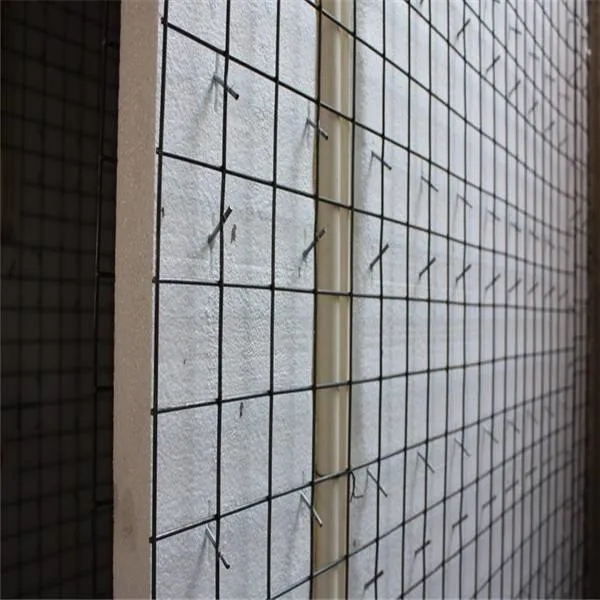
8 gauge galvanized iron (GI) wire is a crucial component in numerous industrial, agricultural, and construction applications. Defined by its 0.165-inch diameter, it comprises low-carbon steel wire coated with a zinc layer to provide corrosion resistance. Positioned within the metal fabrication supply chain, 8 gauge GI wire serves as a fundamental building block for fencing, cabling, binding, reinforcement, and various fabricated products. Its primary performance characteristic is tensile strength coupled with prolonged resistance to environmental degradation, making it a cost-effective alternative to more expensive alloys in many scenarios. The wire’s galvanized coating inhibits oxidation, extending service life, particularly in outdoor and harsh environments. Core pain points in the industry revolve around consistency of zinc coating thickness, susceptibility to hydrogen embrittlement during processing, and ensuring adequate ductility for forming operations without compromising corrosion protection.
Material Science & Manufacturing
The foundational material for 8 gauge GI wire is typically low-carbon steel, specifically SAE 1008 or similar grades, selected for its balance of ductility and strength. The steel's composition consists primarily of iron, with controlled amounts of manganese, phosphorus, and sulfur. The zinc coating is applied through either hot-dip galvanizing or electrogalvanizing. Hot-dip galvanizing involves immersing the steel wire in a molten zinc bath, creating a metallurgical bond and a relatively thick coating (typically 50-150 μm). Electrogalvanizing, conversely, uses an electrolytic process to deposit zinc, resulting in a thinner, more uniform coating (10-30 μm).
Manufacturing commences with wire drawing, reducing the diameter of steel rods to the desired 8 gauge (0.165 inch). This process introduces work hardening, necessitating annealing to restore ductility. Annealing is performed in a controlled atmosphere to prevent oxidation. Following annealing, the wire undergoes pickling to remove scale and prepare the surface for galvanizing. Hot-dip galvanizing requires precise control of bath temperature (around 450°C), immersion time, and cooling rate to achieve optimal coating thickness and adhesion. Key parameters monitored during the galvanizing process include zinc bath composition (zinc purity, lead content), iron content in the bath, and the steel wire surface cleanliness. Electrogalvanizing necessitates careful control of current density, electrolyte composition, and pH. Post-galvanizing, the wire undergoes inspection for coating defects (e.g., bare spots, drips, runs) and may receive passivation treatment to enhance corrosion resistance.
Performance & Engineering
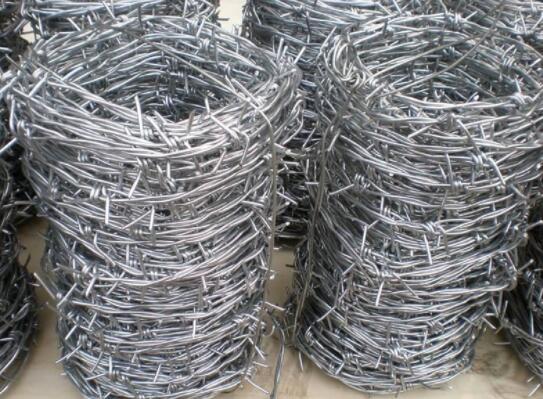
The performance of 8 gauge GI wire is governed by its tensile strength, yield strength, elongation, and corrosion resistance. Tensile strength, typically ranging from 80,000 to 90,000 psi, dictates its load-bearing capacity. Yield strength, around 40,000 to 50,000 psi, indicates its resistance to permanent deformation. Elongation, generally 15-20%, reflects its ductility. Environmental resistance is primarily determined by the zinc coating’s ability to act as a sacrificial anode, protecting the underlying steel from corrosion. However, the protection diminishes over time due to zinc consumption.
Engineering considerations include assessing the wire’s suitability for the intended application’s environmental conditions. For example, in marine environments or areas with high sulfur dioxide concentrations, the rate of zinc corrosion is accelerated. Therefore, thicker zinc coatings or alternative corrosion protection methods (e.g., painting, epoxy coating) may be required. Force analysis is crucial in applications involving tensile loads, such as fencing and suspension cables. Factors of safety must be applied to account for dynamic loads, wind loads, and potential material defects. Compliance requirements vary depending on the application and geographical location. For instance, fencing materials may need to meet specific gauge requirements and coating standards set by local building codes. Hydrogen embrittlement is a major concern, particularly during the pickling process. Atomic hydrogen generated during pickling can diffuse into the steel, leading to reduced ductility and increased susceptibility to cracking.
Technical Specifications
| Parameter | Unit | Typical Value | Testing Standard |
|---|---|---|---|
| Nominal Diameter | inch | 0.165 | ASTM A641 |
| Tensile Strength | psi | 80,000 - 90,000 | ASTM A641 |
| Yield Strength | psi | 40,000 - 50,000 | ASTM A641 |
| Elongation | % | 15-20 | ASTM A641 |
| Zinc Coating Thickness (Hot-Dip) | μm | 50-150 | ASTM A153 |
| Zinc Coating Thickness (Electrogalvanized) | μm | 10-30 | ASTM B695 |
Failure Mode & Maintenance
Common failure modes for 8 gauge GI wire include corrosion, fatigue cracking, and mechanical damage. Corrosion occurs when the zinc coating is depleted, exposing the underlying steel to the environment. This process is accelerated in harsh environments (e.g., saltwater, acidic conditions). Fatigue cracking can occur in applications involving repeated tensile loading, especially if the wire is subjected to bending or stress concentrations. Mechanical damage, such as cuts, abrasions, or impact damage, can compromise the coating and expose the steel to corrosion. Hydrogen embrittlement, as previously mentioned, leads to premature failure through reduced ductility.
Maintenance strategies include regular inspection for corrosion, particularly at joints and connections. Applying a protective coating (e.g., paint, epoxy) over the galvanized layer can extend service life. For applications subject to fatigue loading, periodic replacement of the wire is recommended. Damaged wire should be replaced immediately to prevent further degradation. Cleaning the wire surface to remove dirt and debris can also help to maintain corrosion resistance. For long-term storage, the wire should be stored in a dry, well-ventilated environment to prevent condensation and corrosion. Furthermore, in applications involving significant bending or forming, the use of specialized GI wire grades with enhanced ductility may be considered to mitigate the risk of cracking.
Industry FAQ
Q: What is the primary difference between hot-dip galvanized and electrogalvanized 8 gauge GI wire in terms of corrosion protection?
A: Hot-dip galvanizing provides a significantly thicker zinc coating with a metallurgical bond to the steel, offering superior long-term corrosion protection, particularly in harsh environments. Electrogalvanizing produces a thinner, more uniform coating, suitable for less demanding applications. The thicker coating of hot-dip galvanizing provides a greater sacrificial barrier and inherently longer service life.
Q: How does the steel substrate's carbon content influence the performance of 8 gauge GI wire?
A: Lower carbon content steel, like SAE 1008, offers better ductility and formability, crucial for bending and shaping operations. Higher carbon content increases hardness and tensile strength but reduces ductility, making the wire more susceptible to cracking during forming. The choice of steel grade is therefore a trade-off between strength and formability requirements.
Q: What steps can be taken to minimize the risk of hydrogen embrittlement during the pickling process?
A: Controlling the pickling process parameters, such as acid concentration, temperature, and immersion time, is critical. The use of inhibitors in the pickling solution can significantly reduce hydrogen absorption. Post-pickling baking at a moderate temperature (e.g., 150-200°C) can drive out any absorbed hydrogen, restoring ductility.
Q: What testing methods are used to verify the quality and consistency of the zinc coating?
A: Common testing methods include the zinc coating thickness test (using magnetic gauges or gravimetric analysis), the salt spray test (ASTM B117) to assess corrosion resistance, and the uniformity of coating test to identify any bare spots or thin areas.
Q: How does temperature affect the mechanical properties of 8 gauge GI wire?
A: Elevated temperatures can reduce the tensile strength and yield strength of the wire, while increasing its ductility. Prolonged exposure to high temperatures can also accelerate the corrosion rate. Therefore, it is crucial to consider the operating temperature range when selecting GI wire for a specific application.
Conclusion
8 gauge GI wire remains a versatile and cost-effective material choice across diverse industries, owing to its inherent strength and corrosion resistance. The manufacturing process, involving precise control of material composition, galvanizing techniques, and post-treatment procedures, directly impacts its performance characteristics. Understanding the potential failure modes – corrosion, fatigue, and mechanical damage – is paramount for ensuring longevity and reliability. Selecting the appropriate galvanizing method (hot-dip vs. electrogalvanized) and implementing proactive maintenance strategies are crucial for maximizing service life.
Future advancements in GI wire technology may focus on developing novel zinc alloys with enhanced corrosion resistance, exploring alternative coating methods like zinc-nickel alloys, and refining the pickling process to minimize hydrogen embrittlement. Continuous adherence to relevant industry standards and rigorous quality control measures will be essential for maintaining the integrity and reliability of 8 gauge GI wire in increasingly demanding applications. The ongoing research into protective coatings and surface treatments will contribute to enhancing the durability and extending the service life of this ubiquitous material.