



Introduction
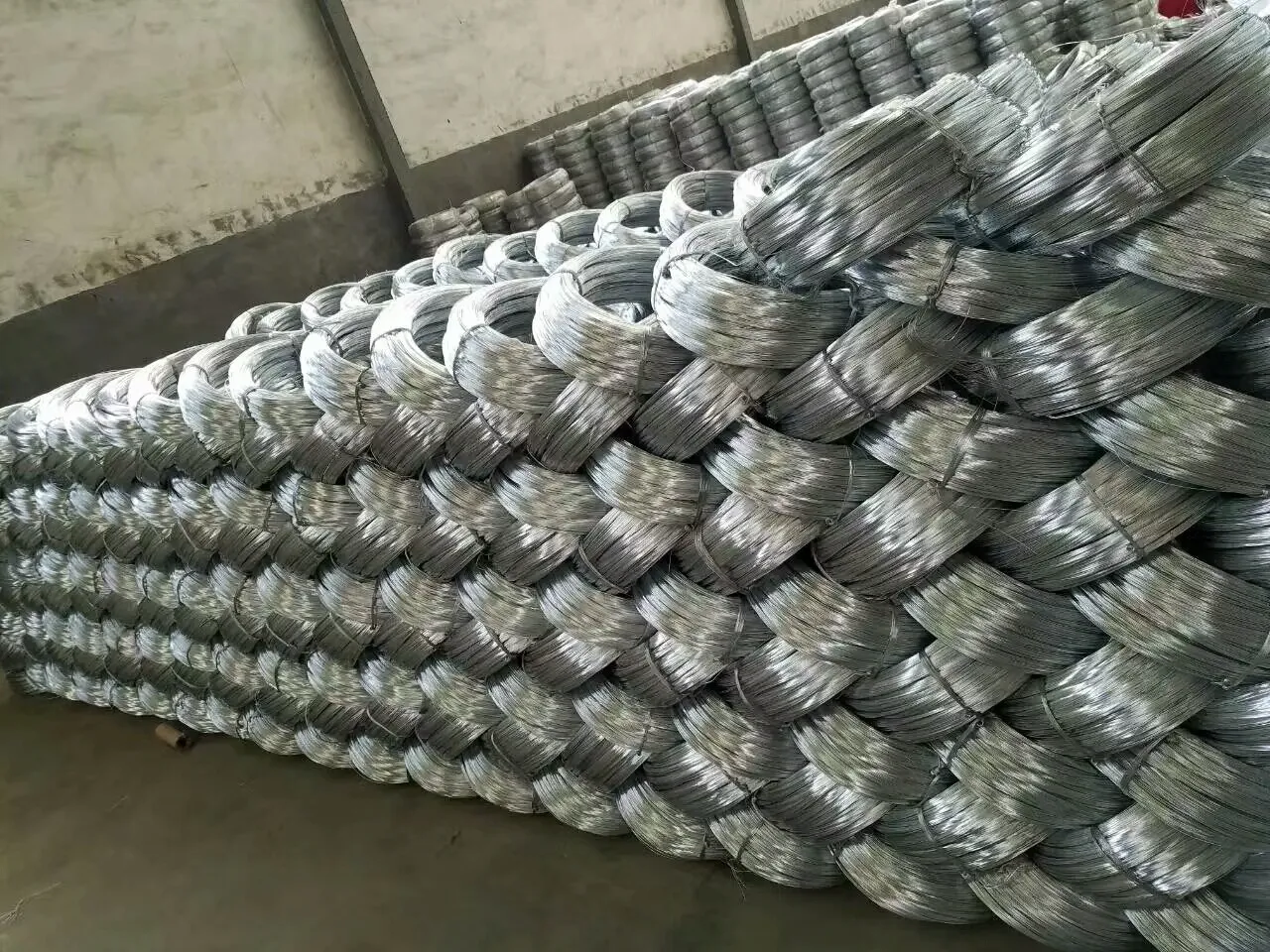
8mm galvanised wire is a carbon steel wire coated with a layer of zinc through a process known as galvanisation. This coating provides robust corrosion resistance, making it a widely employed material in a multitude of industrial and commercial applications. Within the broader wire product market, 8mm galvanised wire occupies a specific niche requiring significant tensile strength and durability. Its technical position is primarily as a structural component, fastening element, or protective barrier. Core performance characteristics are defined by its tensile strength, yield strength, elongation, zinc coating thickness, and resistance to environmental degradation. This guide provides a comprehensive technical overview of 8mm galvanised wire, encompassing material science, manufacturing processes, performance engineering, failure modes, and relevant industry standards. The increasing demand for long-lasting infrastructure and cost-effective corrosion protection drives the continued relevance and development of this essential material.
Material Science & Manufacturing
The base material for 8mm galvanised wire is typically high-carbon steel, commonly SAE 1018 or similar grades. This steel possesses inherent strength and ductility, critical for wire drawing. The steel's composition influences its weldability and formability. The galvanisation process, most frequently hot-dip galvanisation, involves immersing the steel wire in a bath of molten zinc. Prior to galvanisation, the wire undergoes rigorous cleaning – pickling with hydrochloric acid to remove mill scale and rust, followed by fluxing to promote zinc adhesion. Hot-dip galvanisation results in a metallurgically bonded zinc coating. The thickness of the zinc coating, typically measured in grams per square meter (g/m²), dictates the level of corrosion protection. Electrolytic galvanisation offers more precise coating control but generally provides a thinner coating. The manufacturing process begins with rod straightening and then wire drawing through a series of dies to achieve the 8mm diameter. Critical parameters during wire drawing include die angle, reduction ratio, and lubrication to prevent die wear and maintain wire quality. Post-drawing, the wire is often annealed to relieve internal stresses introduced during the drawing process. Zinc purity significantly affects coating quality; impurities can lead to uneven coating or reduced corrosion resistance. The resulting microstructure of the steel wire – grain size, orientation, and inclusion content – profoundly impacts its mechanical properties.
Performance & Engineering
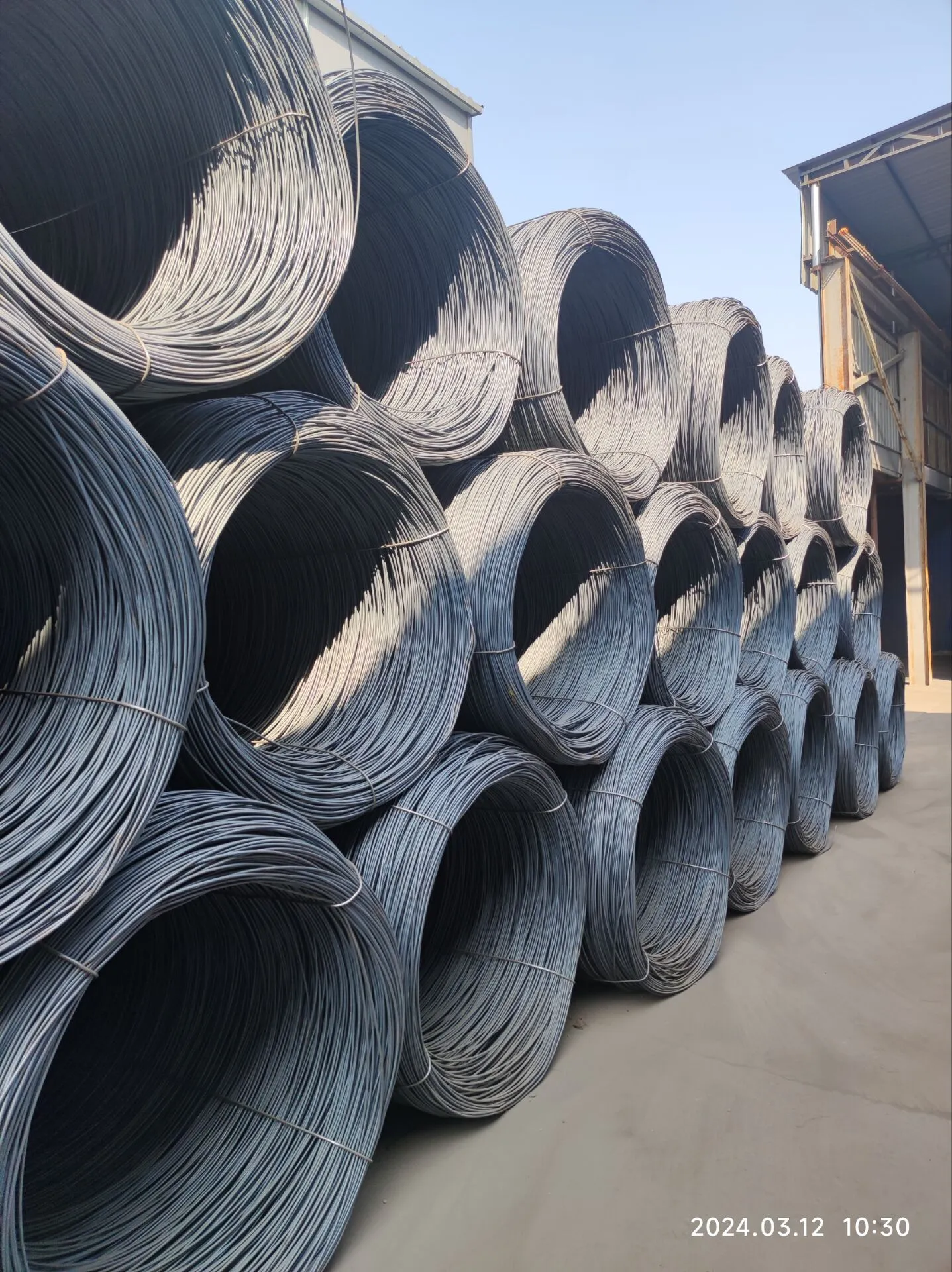
The performance of 8mm galvanised wire is primarily governed by its mechanical properties and corrosion resistance. Tensile strength, typically ranging from 550-700 MPa, dictates its load-bearing capacity. Yield strength, usually around 350-450 MPa, indicates the point at which permanent deformation begins. Elongation at break, typically 10-15%, measures ductility. Force analysis in applications like fencing or cabling requires calculating the tensile load each wire can withstand based on these parameters and applying appropriate safety factors. Environmental resistance is crucial; the zinc coating acts as a barrier, sacrificially corroding before the steel substrate. The rate of zinc corrosion depends on environmental factors like humidity, salinity, and exposure to pollutants. Galvanic corrosion can occur if the galvanised wire is in contact with dissimilar metals in a conductive environment, accelerating corrosion. Compliance requirements often dictate minimum zinc coating thickness based on the intended application – for example, ASTM A123 specifies requirements for hot-dip galvanised steel products. For applications involving bending or forming, ductility is paramount to prevent cracking. The wire’s performance under dynamic loading – cyclic tensile stress – is critical in applications like suspension cables, where fatigue failure must be considered. The relationship between coating thickness, environmental exposure, and predicted service life is a core engineering consideration.
Technical Specifications
| Parameter | Unit | Typical Value | Testing Standard |
|---|---|---|---|
| Diameter | mm | 8.0 ± 0.1 | ISO 288-1 |
| Tensile Strength | MPa | 600-700 | ASTM A610 |
| Yield Strength | MPa | 380-480 | ASTM A610 |
| Elongation at Break | % | 12-16 | ASTM A610 |
| Zinc Coating Thickness | g/m² | 60-80 (Class B) | ISO 468 |
| Zinc Coating Uniformity | µm | ±5 | ASTM B693 |
Failure Mode & Maintenance
Failure modes for 8mm galvanised wire are diverse. Corrosion is the most common, leading to section loss and ultimately, tensile failure. Crevice corrosion can occur in areas where water and contaminants accumulate, accelerating localized corrosion. Hydrogen embrittlement, a phenomenon where hydrogen atoms diffuse into the steel lattice, can reduce ductility and increase susceptibility to cracking, particularly in high-strength wires. Mechanical damage – bending fatigue, abrasion, or impact – can compromise the wire’s integrity. Fatigue cracking initiates at stress concentrators like surface scratches or bends, propagating under cyclic loading. Delamination of the zinc coating, caused by poor adhesion or exposure to harsh chemicals, reduces corrosion protection. Oxidation of the zinc coating forms a white rust, which while primarily aesthetic, indicates the protective layer is degrading. Maintenance involves regular inspection for signs of corrosion, mechanical damage, or coating failure. Removing corrosion products and applying a zinc-rich coating to exposed areas can extend service life. Avoidance of contact with dissimilar metals in conductive environments minimizes galvanic corrosion. Periodic application of protective coatings, like sealants or paints, can further enhance corrosion resistance. For critical applications, non-destructive testing methods like eddy current testing can detect subsurface corrosion or cracks.
Industry FAQ
Q: What is the typical lifespan of 8mm galvanised wire in a coastal environment?
A: In a heavily saline coastal environment, the lifespan can range from 5-15 years, depending on the zinc coating thickness, exposure severity, and maintenance practices. Higher coating weights (e.g., Class C or D galvanisation according to ISO 468) and regular cleaning/re-coating will extend the lifespan. Accelerated corrosion testing, such as salt spray testing (ASTM B117), can provide estimates for specific conditions.
Q: Can 8mm galvanised wire be welded?
A: Welding galvanised wire is challenging due to the zinc’s vaporization, which produces toxic fumes and creates a brittle weld. Pre-treating the wire by grinding off the galvanisation in the weld zone is recommended. Alternatively, using a low-hydrogen welding process and adequate ventilation mitigates these issues. Post-weld galvanising is often necessary to restore corrosion protection.
Q: How does the annealing process affect the properties of the wire?
A: Annealing reduces the hardness and increases the ductility of the wire, relieving internal stresses introduced during wire drawing. This improves formability and reduces the risk of cracking during bending or twisting. However, annealing can slightly reduce tensile strength; the optimal annealing temperature and time depend on the steel grade and desired properties.
Q: What is the difference between hot-dip galvanisation and electrogalvanisation?
A: Hot-dip galvanisation provides a thicker, more robust coating with superior corrosion resistance due to the metallurgical bond between the zinc and steel. Electrogalvanisation offers a thinner, more uniform coating with better surface finish but generally provides less corrosion protection. Hot-dip is preferred for outdoor applications requiring long-term durability.
Q: Is 8mm galvanised wire suitable for use in acidic environments?
A: While galvanisation provides good corrosion resistance, it is not entirely immune to acidic environments. Prolonged exposure to strong acids can dissolve the zinc coating, exposing the steel substrate. The wire’s suitability depends on the acid concentration, temperature, and duration of exposure. Consider alternative materials like stainless steel or plastic-coated wire for highly acidic applications.
Conclusion
8mm galvanised wire remains a critical component in numerous industries due to its cost-effective combination of strength and corrosion resistance. Understanding the intricacies of its material science, manufacturing processes, and performance characteristics is paramount for ensuring reliable and long-lasting performance. The quality of the steel substrate, the consistency of the galvanisation process, and adherence to relevant industry standards are all essential factors influencing the wire’s overall durability.
Future advancements may focus on developing new zinc alloy coatings with enhanced corrosion protection or exploring alternative coating techniques, such as zinc-nickel alloys. Continued research into failure modes and the development of improved maintenance strategies will also contribute to extending the service life of this versatile material, optimizing performance and minimizing lifecycle costs.