



Introduction
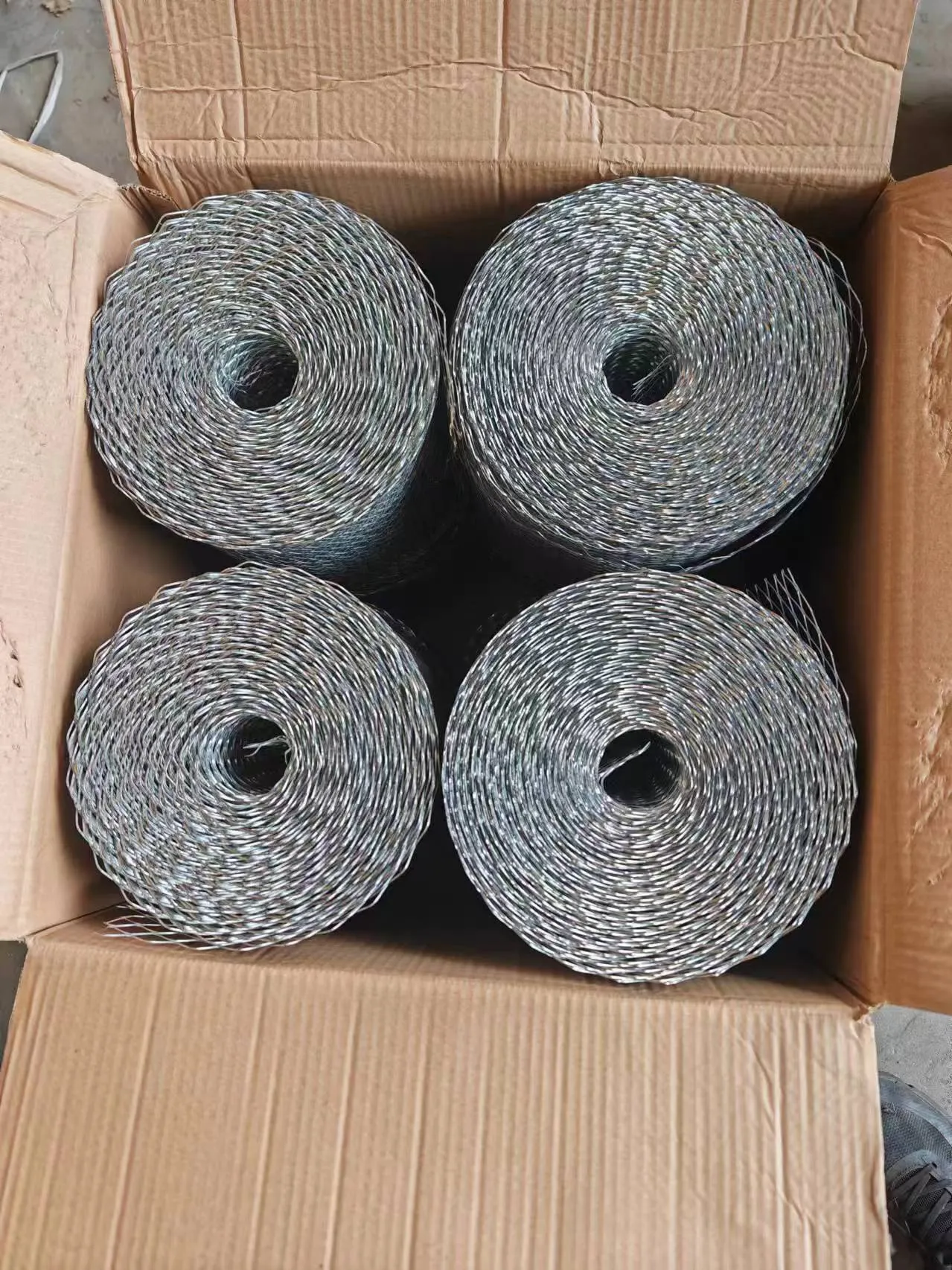
9 gauge galvanized wire represents a crucial component in numerous industrial and construction applications. Defined by a wire gauge of 9 (corresponding to a diameter of approximately 2.3mm), this steel wire is characterized by its zinc coating, applied through a hot-dip galvanization process. This coating provides corrosion resistance, significantly extending the service life of the wire in harsh environments. Within the broader steel wire industry chain, 9 gauge galvanized wire serves as a foundational material for fencing, cable armoring, binding, agricultural applications, and various manufacturing processes. Its core performance attributes – tensile strength, ductility, and corrosion resistance – dictate its suitability for specific engineering requirements. The prevalent issue for end-users is consistent coating thickness and adherence, impacting longevity and overall cost-effectiveness. This guide details the material science, manufacturing processes, performance characteristics, potential failure modes, and relevant industry standards associated with 9 gauge galvanized wire.
Material Science & Manufacturing
The base material for 9 gauge galvanized wire is typically carbon steel, with AISI 1008 or similar low-carbon steel grades being common choices. These steels offer a balance of strength and ductility. The chemical composition generally includes iron (Fe) as the primary element, with smaller percentages of carbon (C), manganese (Mn), phosphorus (P), and sulfur (S). These trace elements influence the steel's weldability and formability. The galvanization process involves immersing the steel wire in a molten zinc bath, creating a metallurgical bond. This bond forms several layers: the Gamma (Γ) layer, an alloy of iron and zinc; the Delta (δ) layer, containing a larger percentage of iron; and the Zeta (ζ) layer, a primarily zinc layer. Key manufacturing parameters include pre-treatment (cleaning to remove oils, rust, and scale), galvanizing temperature (typically 450-460°C), immersion time, and cooling rate. Controlling these parameters is critical to achieving a uniform and adherent zinc coating. Wire drawing, the process of reducing the diameter of the steel rod by pulling it through a series of dies, influences the wire’s tensile strength and surface finish. Annealing may follow wire drawing to improve ductility. Proper temperature control during annealing is essential to maintain desired mechanical properties. Surface imperfections in the initial steel stock will directly translate to coating defects.
Performance & Engineering
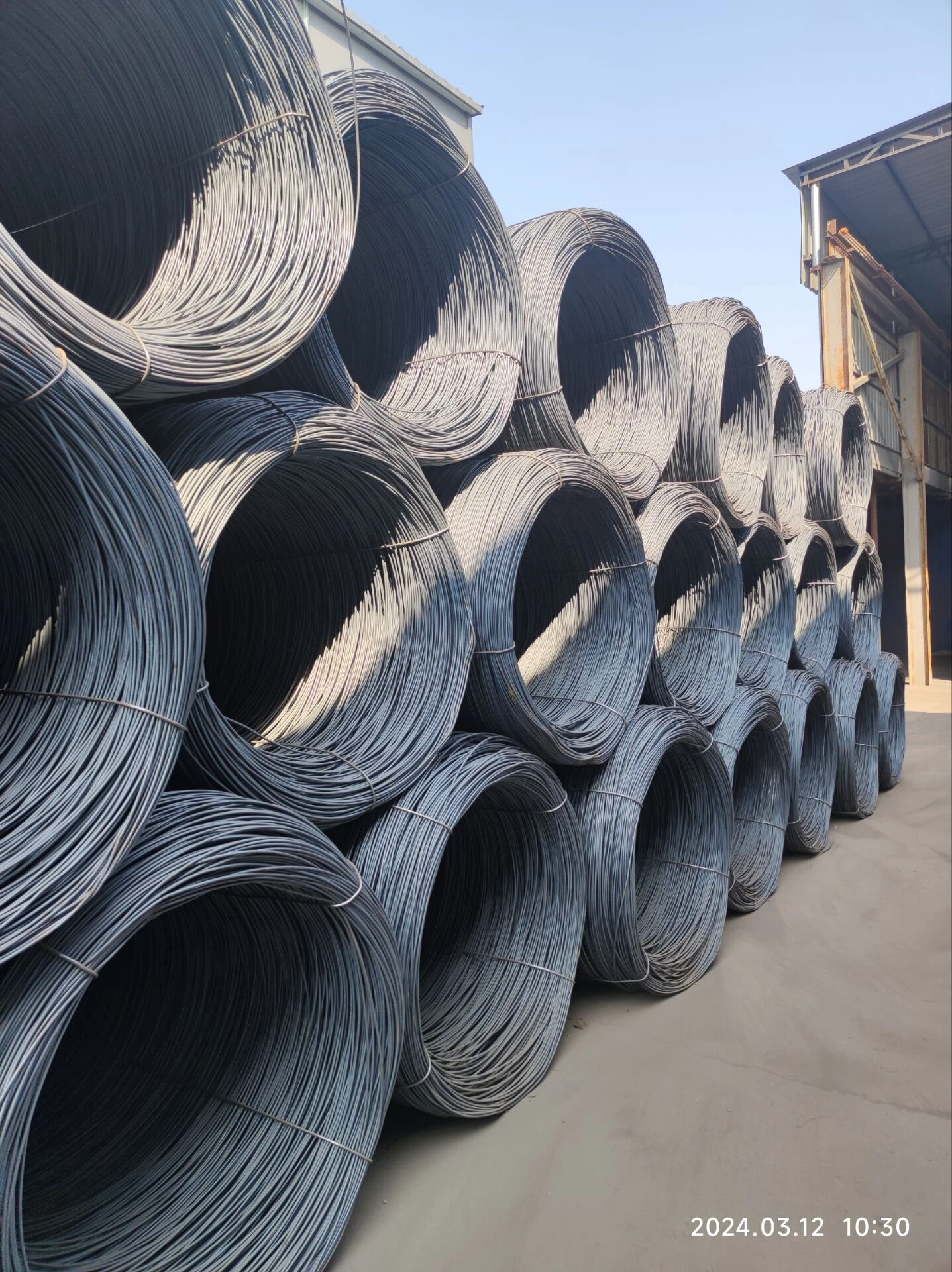
The primary function of galvanization is to provide cathodic protection to the steel substrate. Zinc corrodes preferentially, sacrificing itself to protect the underlying steel. This sacrificial protection is most effective when a continuous, unbroken zinc coating is present. The performance of 9 gauge galvanized wire is critically tied to its tensile strength, yield strength, elongation, and corrosion resistance. Tensile strength is the maximum stress the wire can withstand before breaking, typically around 80-100 KSI (kilopounds per square inch) for this gauge. Yield strength, the point at which the wire begins to deform permanently, is typically around 50-70 KSI. Elongation, a measure of ductility, indicates the wire’s ability to stretch before fracturing, typically 10-15%. Environmental resistance is assessed through salt spray testing (ASTM B117), measuring the time to corrosion initiation. Wire used in marine environments requires a thicker zinc coating. Force analysis during application (e.g., tension in fencing) must consider the wire’s load-bearing capacity and potential for creep. Compliance requirements often dictate coating thickness and uniformity, especially in applications subject to regulatory scrutiny (e.g., agricultural fencing requiring adherence to animal welfare standards). Galvanic corrosion can occur if the galvanized wire is in contact with dissimilar metals in a conductive environment; proper isolation techniques are crucial to mitigate this risk.
Technical Specifications
| Parameter | Unit | Typical Value (9 Gauge) | Testing Standard |
|---|---|---|---|
| Diameter | mm | 2.3 | ASTM A641 |
| Zinc Coating Thickness | μm | 55-85 | ASTM B117 / ISO 9227 |
| Tensile Strength | MPa | 550-690 | ASTM A641 |
| Yield Strength | MPa | 345-480 | ASTM A641 |
| Elongation | % | 10-15 | ASTM A641 |
| Zinc Purity | % | ≥99.99% | ASTM B117 |
Failure Mode & Maintenance
Common failure modes for 9 gauge galvanized wire include uniform corrosion (gradual depletion of the zinc coating), localized corrosion (pitting, crevice corrosion), and mechanical failure (fatigue cracking, tensile overload). Pitting corrosion is often initiated by defects in the zinc coating or the presence of chlorides. Fatigue cracking can occur in applications involving repeated bending or tensile stress. Hydrogen embrittlement, a phenomenon where hydrogen atoms diffuse into the steel lattice, can reduce ductility and promote cracking, especially in high-strength steel. Oxidation of the zinc coating over extended periods leads to the formation of white rust, decreasing corrosion protection. Maintenance strategies depend on the application. For fencing, regular inspection for corrosion and damaged sections is crucial. Replacing corroded sections promptly prevents further degradation. For cable armoring, protective coatings or sleeves can be applied to areas susceptible to abrasion or chemical exposure. Applying a protective coating, such as a zinc-rich paint, after cleaning can extend the service life. Avoid using abrasive cleaning methods that can damage the zinc coating. For long-term storage, wires should be protected from moisture and direct sunlight to minimize corrosion.
Industry FAQ
Q: What is the impact of coating thickness on the lifespan of galvanized wire?
A: Coating thickness is directly proportional to the wire’s corrosion resistance and lifespan. A thicker coating provides a greater reservoir of zinc for sacrificial protection. The minimum acceptable coating thickness is often specified by industry standards and application requirements. Insufficient coating thickness significantly reduces the wire's ability to withstand corrosive environments.
Q: How does the steel substrate influence the performance of galvanized wire?
A: The steel substrate’s chemical composition, mechanical properties, and surface preparation significantly impact galvanization quality and the final performance of the wire. High-carbon steels can be more prone to hydrogen embrittlement. Proper surface cleaning is essential to ensure a strong metallurgical bond between the zinc coating and the steel substrate.
Q: What are the advantages and disadvantages of hot-dip galvanization compared to other coating methods (e.g., electrogalvanizing)?
A: Hot-dip galvanization provides a thicker, more robust coating with better adhesion and resistance to mechanical damage than electrogalvanizing. However, hot-dip galvanization can sometimes result in a less uniform coating thickness and may distort the wire due to the high processing temperature. Electrogalvanizing offers greater control over coating thickness and finish but typically provides less corrosion protection.
Q: How can I identify and address localized corrosion (pitting) in galvanized wire?
A: Pitting corrosion is characterized by small, localized holes in the zinc coating. It can be identified through visual inspection. The root cause is often defects in the coating or the presence of corrosive agents. Remedial actions include removing the affected section of wire and applying a protective coating or using a more corrosion-resistant alloy.
Q: What is the role of passivation treatments after galvanization?
A: Passivation treatments, often involving chromate conversion coatings, can enhance the corrosion resistance of galvanized wire by forming a protective film on the zinc surface. However, the use of hexavalent chromium is increasingly restricted due to environmental concerns, leading to the development of alternative, environmentally friendly passivation treatments.
Conclusion
9 gauge galvanized wire stands as a versatile and cost-effective material for a wide array of applications demanding corrosion resistance and mechanical strength. The hot-dip galvanization process is fundamental to its performance, reliant on precise control of material composition, manufacturing parameters, and post-treatment procedures. Understanding the potential failure modes—ranging from uniform corrosion to fatigue cracking—is critical for selecting the appropriate wire grade and implementing effective maintenance strategies.
Continued advancements in galvanization technologies, including the development of improved passivation treatments and higher-purity zinc alloys, will further enhance the durability and performance of 9 gauge galvanized wire. Proper adherence to international standards and rigorous quality control measures are paramount to ensuring consistent product quality and extending service life in challenging environments. The ongoing focus on sustainable manufacturing practices will also drive innovation in the production of galvanized wire, minimizing environmental impact while maintaining optimal performance.